

Why Calcium is a Cornerstone of Health
Calcium is a mineral vital for life. While it's famously known for building and maintaining strong bones and teeth, its role extends much further. About 99% of the body's calcium is stored in our skeletal frame, but the remaining 1% is crucial for nerve
transmission, muscle function, blood clotting, and maintaining a regular heartbeat. Every day, we lose calcium through our skin, hair, and sweat, but our bodies can't produce it. This means we must replenish it through our diet. When dietary intake is insufficient, the body draws calcium from our bones, which can lead to conditions like osteoporosis over time. According to the Indian Council of Medical Research (ICMR), the Recommended Dietary Allowance (RDA) for most adults is 1,000 mg per day, a target many Indians currently miss.
The 'Food-First' Philosophy
The 'food-first' approach is simple: prioritize getting nutrients from whole foods rather than supplements. While supplements have their place, especially in cases of diagnosed deficiency, relying on food provides a host of additional benefits. Foods rich in calcium also come packaged with other essential nutrients like protein, potassium, and magnesium, which work in synergy for overall health. Furthermore, obtaining calcium from your diet significantly reduces the risk of over-supplementation, which can sometimes lead to adverse effects like kidney stones or interfere with the absorption of other minerals. A balanced diet ensures you get a wider spectrum of nutrients that a single pill cannot offer.
Dairy: The Traditional Powerhouse
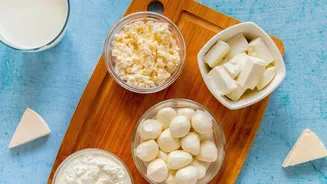
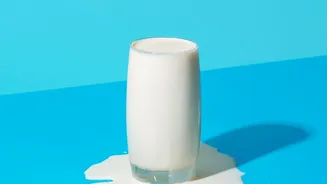
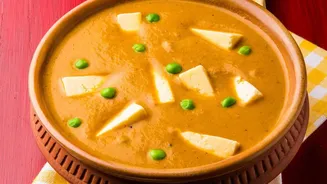
For lacto-vegetarians, dairy remains one of the most straightforward and effective sources of well-absorbed calcium. Milk, dahi (curd), and paneer are cornerstones of the Indian vegetarian diet for a reason. A single glass of milk can provide around 300 mg of calcium, while a katori (bowl) of curd offers about 222 mg. Paneer is another excellent source, providing roughly 200 mg per 100g serving. Incorporating a combination of these dairy products throughout the day can go a long way in meeting your daily 1,000 mg target.
Beyond Dairy: Plant-Based Champions
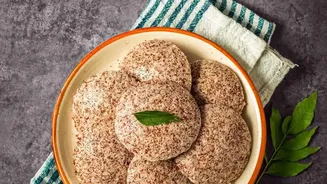
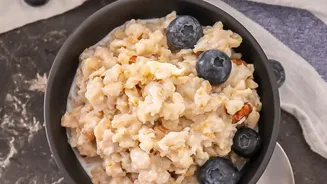
The Indian vegetarian kitchen is brimming with non-dairy calcium heroes. Millets, in particular, are standouts. Ragi (finger millet) is a nutritional giant, containing a remarkable 344 mg of calcium per 100g — significantly more than milk by weight. It can be easily incorporated into rotis, dosas, or porridges. Another potent source is sesame seeds (til), which pack nearly 98 mg of calcium into a single tablespoon. Sprinkling them on salads, adding them to ladoos, or using tahini (sesame paste) are great ways to boost your intake.
Leafy Greens, Legumes, and More
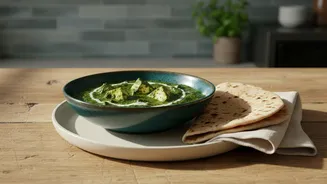
Certain leafy greens are calcium goldmines. Drumstick leaves (moringa) and fenugreek leaves (methi) are particularly rich, offering over 390 mg per 100g cooked portion. Amaranth leaves (chaulai) are another excellent choice. It's important to note that while spinach (palak) contains calcium, it is also high in compounds called oxalates, which can hinder calcium absorption. Therefore, it shouldn't be your primary source. Legumes like chickpeas (chana), kidney beans (rajma), and soybeans also contribute to your daily total, while simultaneously providing protein and fibre. Calcium-set tofu is a fantastic option, with some varieties offering up to 350 mg per 100g.
Making It All Work: Absorption is Key
Consuming calcium-rich foods is only half the battle; ensuring your body can absorb it is just as important. Vitamin D plays a critical role in calcium absorption, so getting adequate sunlight exposure is essential. Certain dietary factors can also influence absorption. For instance, the phytic acid found in unsoaked whole grains and legumes can reduce calcium uptake, a process that can be mitigated by soaking or sprouting them before cooking. Spacing out your calcium intake throughout the day, rather than consuming it all in one meal, can also improve absorption rates.