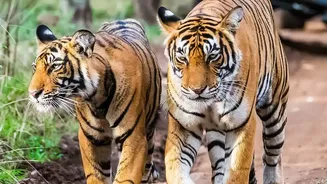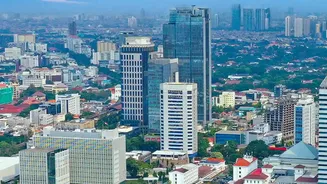





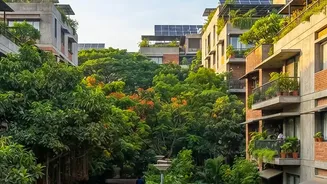


Look closely amidst the urban chaos, and you might see it: a flash of feathers, a flicker of a bushy tail. More than just pigeons and crows, India's cities are becoming surprising homes for a diverse range of wildlife, from birds to foxes.
The New Urban Jungle
It’s a scene
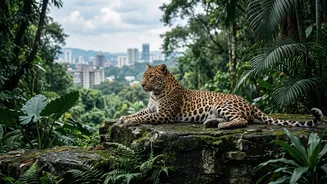
playing out across India: leopards prowling the fringes of Mumbai, striped hyenas spotted in Gurugram, and jackals carving out a life in Chennai. This isn't a case of animals simply 'straying' into cities; it's a sign of a remarkable adaptation. Our concrete jungles are transforming into complex ecosystems where wildlife is learning to survive, and sometimes even thrive. Delhi alone is home to over 400 species of birds, while Mumbai has one of the highest densities of leopards in the world. This phenomenon goes beyond large mammals, with species like the Indian Grey Mongoose and Asian Palm Civet becoming common sights. It shows nature's incredible resilience, finding footing in the most unexpected of places.
Driven by Necessity, Drawn by Opportunity
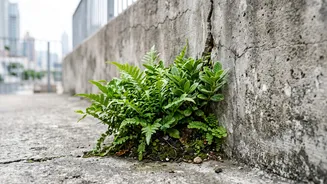
Why is this happening? It’s a classic 'push and pull' story. The primary push is habitat loss. As forests shrink and natural corridors are fragmented by roads, railways, and expanding settlements, animals are forced to seek resources elsewhere. At the same time, cities present an unintentional invitation. Urban areas offer a tempting buffet: overflowing garbage bins provide a steady food source for scavengers like black kites, while rodents that feast on our waste become prey for snakes and foxes. Man-made structures offer novel forms of shelter, and irrigated parks can provide water when natural sources dry up due to climate change. For many species, the city is less a choice and more a last resort that turns into a viable new home.
Masters of Adaptation
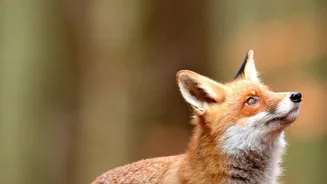
Survival in the city requires a different skill set, and many animals are proving to be quick learners. Some species change their schedules, becoming more active at night to avoid humans, a strategy used by leopards in Mumbai and even bears in other parts of the world. Diets also become more flexible. Leopards in urban-adjacent areas supplement their natural prey by hunting stray dogs and livestock. Foxes, known for their adaptability, thrive near human settlements by feeding on everything from insects and rodents to discarded food. Even birds of prey adapt, with falcons using skyscrapers as substitutes for cliff-side nests, giving them a perfect vantage point to hunt city pigeons. These behavioural shifts are a testament to their resourcefulness in a world dominated by humans.
An Uneasy Coexistence
While the sight of urban wildlife can be thrilling, it also brings significant challenges. Human-wildlife conflict is on the rise, leading to negative outcomes for both people and animals. Encounters with leopards and elephants can lead to injuries and fatalities, while monkeys raiding homes and crops have become a common problem in many urban and semi-urban areas. These conflicts often stem from a shared space and competition for resources, which can lead to fear and retaliatory killings of animals. Finding a balance where both humans and wildlife can live safely is one of the most pressing challenges for urban planners and conservationists today.
Building a Shared Future
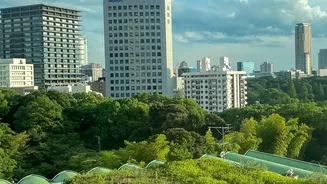
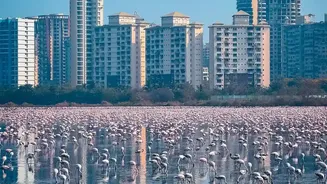
The increasing presence of wildlife in our cities isn't just a problem to be managed; it's also an opportunity. Urban biodiversity offers numerous benefits, from supporting pollinators and controlling pests to improving our own mental well-being by connecting us with nature. The key to a peaceful coexistence lies in smarter urban planning. This includes protecting and restoring urban green spaces like wetlands and gardens, creating wildlife corridors to allow safe passage between fragmented habitats, and better waste management to reduce easy food sources that attract animals. Community awareness is equally vital. Understanding the behaviour of our wild neighbours and knowing who to call when an animal is in distress can prevent conflict and foster a culture of respect.