







The Rise of the Urban Oasis
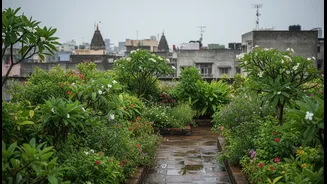
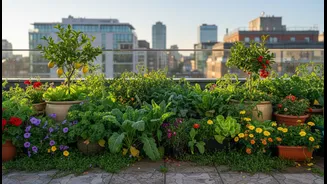
In bustling Indian cities like Mumbai, Bengaluru, and Delhi, a growing number of residents are converting their concrete terraces into lush green sanctuaries. This trend is driven by a desire to reconnect with nature amidst the urban sprawl. For many,
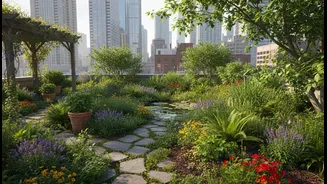
it's a response to concerns about food quality and the use of pesticides, prompting a move towards growing their own organic produce. Beyond the practical benefits, gardening is also a proven stress-reducer, offering a therapeutic escape from the demands of daily life. As a result, what was once a simple hobby has evolved into a lifestyle choice, with terraces becoming productive kitchen gardens, serene floral retreats, and personal havens.
More Than Just a Pretty View
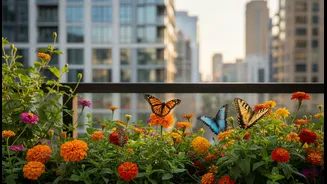
The benefits of a terrace garden extend far beyond aesthetics. One of the primary advantages is access to fresh, chemical-free vegetables, fruits, and herbs right at home. This can lead to significant savings on monthly grocery bills. Environmentally, rooftop gardens play a crucial role in reducing the urban heat island effect, naturally cooling the home and lowering energy consumption. Plants act as natural air purifiers, improving the air quality around the home, a significant benefit in polluted metro areas. Furthermore, these green spaces support urban biodiversity by attracting birds, bees, and butterflies.
Your Guide to Getting Started
Starting a terrace garden is simpler than it may seem. The first crucial step is to assess your space. Check the terrace's load-bearing capacity, especially if you plan to use heavy containers; consulting a structural engineer is advisable for large setups. Ensure your terrace has been properly waterproofed to prevent leaks. Next, map out the sunlight your terrace receives throughout the day, as most vegetables require at least five to six hours of direct sun. For containers, lightweight options like fabric grow bags are highly recommended for Indian rooftops as they are portable and prevent waterlogging. Finally, prepare a light, well-draining soil mix. A common recipe is a blend of soil, compost or vermicompost, and cocopeat to retain moisture.
What to Grow on Your Terrace
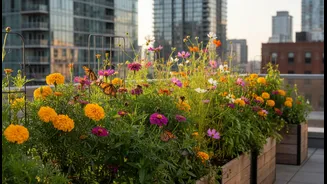
For beginners, it's best to start with easy-to-grow, low-maintenance plants. Herbs are an excellent choice as they grow quickly in small pots and are used daily in Indian cooking; think mint, coriander, basil, and curry leaves. When it comes to vegetables, tomatoes, chillies, spinach, and brinjal are popular and well-suited for container gardening. Climbing plants like bottle gourd and cucumber can be trained on trellises to save space. For a splash of colour and to attract pollinators, consider flowering plants like marigold, hibiscus, and bougainvillea, which are hardy and thrive in sunny Indian climates.
Common Challenges and Solutions
While rewarding, terrace gardening does come with challenges. Pests are a common issue, but can often be managed with organic solutions like neem oil spray instead of chemical pesticides. In the intense heat of Indian summers, plants can get scorched. Using a green shade net can protect them from harsh sunlight. Poor drainage can lead to waterlogged roots and potential leakage issues, so ensuring all your containers have drainage holes is essential. Conversely, overwatering is a frequent mistake; it's always best to check if the soil is dry before watering again. Starting small with just a few plants allows you to learn without feeling overwhelmed.