


The Potent Flavour of Memory
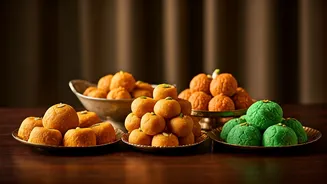
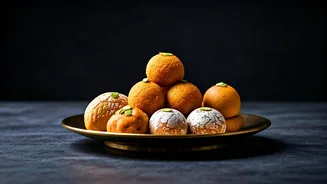
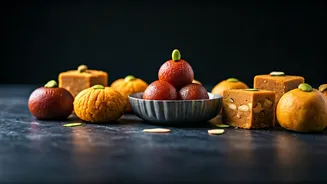
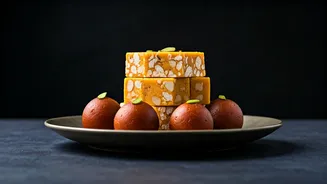
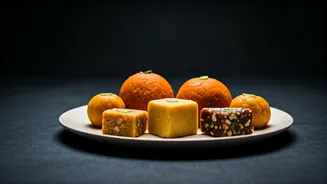
There's a unique power in the taste of childhood. For many Indians, that power is crystallised in the form of a laddoo, a piece of barfi, or a syrupy gulab jamun. Food and memory are deeply intertwined, and in uncertain times, people often seek the comfort
of familiar flavours that transport them to simpler, happier moments. This emotional connection is a key driver behind the current resurgence of mithai. It's more than just a sweet treat; it’s a tangible link to family gatherings, festive cheer, and traditions passed down through generations, making it the perfect candidate for a nostalgia-fueled comeback.
Not Your Grandfather's Mithai
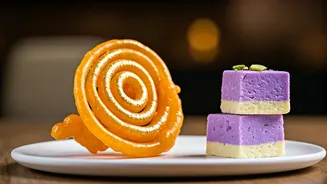
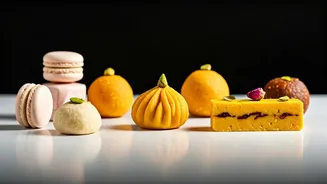
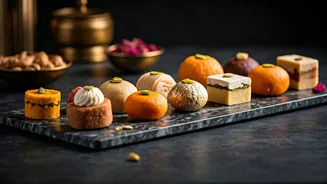
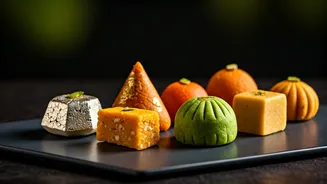
While nostalgia provides the emotional pull, innovation is what makes the trend exciting. A new generation of artisanal mithai-makers is transforming the landscape. These culinary artists are respectfully updating classics by infusing them with contemporary and global flavours like lavender, coffee, blueberry, and salted caramel. Brands like Bombay Sweet Shop, Khoya, and Gur Chini are reimagining traditional sweets with a modern twist, creating products like kaapi paak (coffee-flavoured milk cake), hazelnut besan barfi, and even gin-infused versions of classics. This fusion of East and West results in sweets that cater to a more globalised, experimental palate.
The Instagram-Worthy Makeover
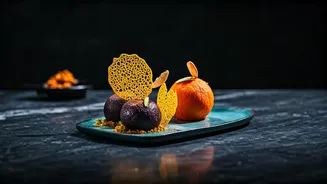
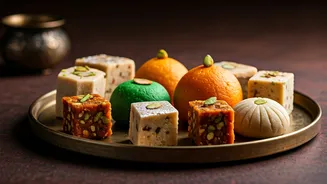
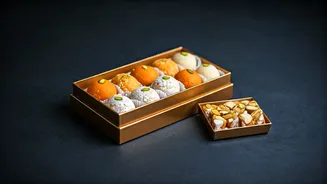
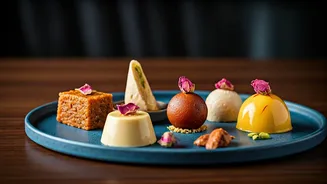
In today's digital age, we eat with our eyes first, and this is where modern mithai truly shines. Gone are the days of simple cardboard boxes. Artisanal brands are focusing heavily on aesthetics, with elegant, 'Instagrammable' packaging and meticulously crafted sweets that look like miniature works of art. The visual appeal, from vibrant natural colours to delicate garnishes like edible flowers and gold leaf, makes these sweets perfect for sharing on social media platforms. This has been instrumental in making mithai 'grid-worthy' and re-introducing it as a desirable, aspirational product for younger, digitally-savvy consumers.
An Indulgence for Modern Lifestyles
The mithai revival also includes a shift towards accommodating modern dietary preferences. Recognizing that today's consumers are more health-conscious, many brands are offering healthier alternatives. You can now find mithai that is low in sugar, vegan, gluten-free, or made with natural sweeteners like jaggery, dates, and honey. Ingredients like almond flour, oats, and superfoods such as chia seeds are being incorporated to enhance nutritional value without compromising on taste. This evolution allows mithai to be enjoyed not just during festivals, but as a guilt-free, everyday indulgence.
Reclaiming a Cultural Icon
Ultimately, the renewed popularity of mithai is part of a larger cultural renaissance. It signifies a move towards appreciating and reclaiming Indian heritage in a modern context. For years, premium gifting was dominated by imported chocolates and pastries, but Indian sweets are now reclaiming their position as a thoughtful and luxurious choice. This trend is not about replacing tradition but about evolving it, ensuring that the rich legacy of Indian confectionery continues to resonate with future generations. By blending nostalgic flavours with contemporary craftsmanship and presentation, mithai is being redefined as a timeless, yet modern, cultural statement.