




The Urban Waste Challenge
Cities are consumption engines, and with that comes a relentless stream of waste. A significant portion of this is organic material—think of the mountains of spent coffee grounds from cafes, sawdust from woodworkers, or agricultural byproducts from local
food processors. Traditionally, this waste is a costly problem, requiring collection and disposal in landfills, where it decomposes and releases greenhouse gases. For businesses, this is often a line item in the expense column, a problem to be managed rather than an opportunity to be seized. This linear model of produce-use-discard is not only inefficient but also environmentally unsustainable.
Enter the Mushroom: Nature’s Recycler
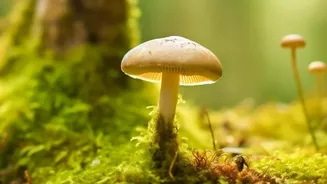
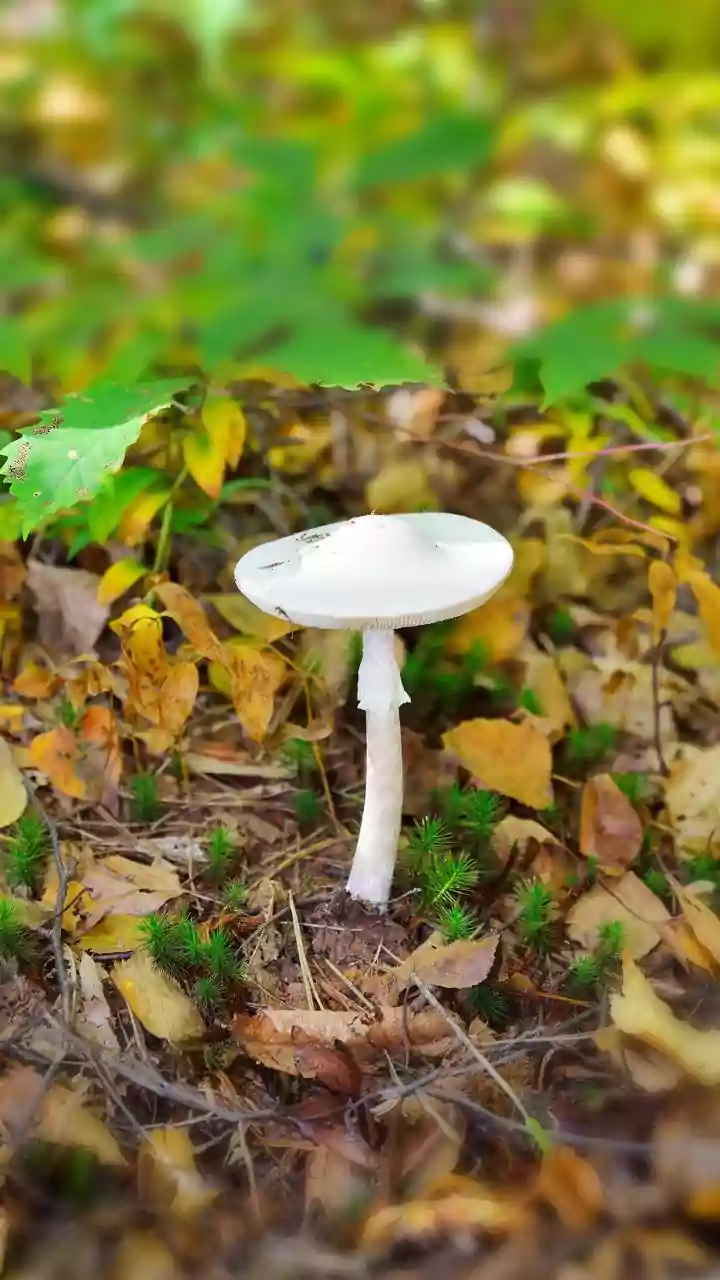
This is where mycology—the study of fungi—offers a brilliant solution. Fungi are nature's master decomposers, breaking down tough organic matter that other organisms can't handle. Unlike plants, mushrooms don't need sunlight; they thrive in controlled indoor environments, making them perfect for urban settings. They feed on materials like wood, straw, and other organic byproducts, effectively recycling nutrients and turning them into a new resource. This unique capability positions them as the key ingredient in a new kind of urban factory.
Inside a Mycology Micro-Factory
A mycology micro-factory is a small-scale, highly efficient system for cultivating mushrooms. The process is a perfect example of a circular economy. It begins by collecting organic 'waste' from local businesses—coffee grounds from cafes, straw from farms, or sawdust from mills. This material, called substrate, is pasteurised or sterilised to eliminate competing bacteria and moulds. It's then inoculated with mycelium, the root-like network of the fungus. The inoculated substrate is packed into bags or blocks and moved to a climate-controlled 'fruiting room,' which maintains precise temperature, humidity, and fresh air levels essential for growth. In a matter of weeks, gourmet mushrooms sprout, ready for harvest.
From Waste Stream to Revenue Stream
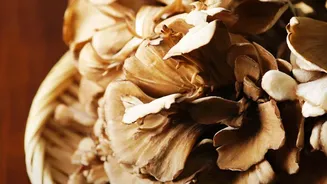
The crops produced are far from ordinary. These micro-factories typically cultivate high-value gourmet varieties like oyster, shiitake, and lion's mane mushrooms. These are in high demand from restaurants, farmers' markets, and health-conscious urban consumers who value fresh, locally grown produce. The Indian mushroom market is expanding rapidly, with consumers increasingly seeking out specialty varieties for their unique flavours and health benefits. This trend allows urban farms to turn a previously negative-value item (waste) into a premium product with strong market demand, creating a profitable business from what was once thrown away.
The Circular Economy in Action
This model does more than just grow food. It creates a closed-loop system that benefits the city as a whole. By diverting organic waste from landfills, these factories reduce methane emissions and disposal costs. They provide hyper-local produce, cutting down on food miles and delivering fresher products to consumers. This approach also creates new green jobs in urban centres. Even the final byproduct, the spent mushroom substrate, is a valuable resource—it can be used as a nutrient-rich soil amendment for gardens and farms, completing the circular journey.
Scaling Up the Fungi Future
While the concept is powerful, scaling up from a hobby to a commercial business presents challenges. Maintaining sterile conditions to prevent contamination is critical, as are precise environmental controls for temperature and humidity, which can require significant investment in industrial HVAC systems. Sourcing a consistent supply of quality substrate and establishing reliable distribution channels are other key hurdles for growing operations. However, the beauty of the micro-factory model is its modularity and flexibility. These operations can be set up in basements, warehouses, or even shipping containers, allowing them to adapt to the unique spaces available within any city.