







The Promise and the Peril
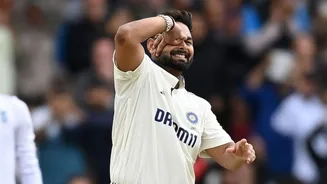
When Rishabh Pant first burst onto the Test scene, he was a paradox. A wicketkeeper who could launch a six to get off the mark in Test cricket was a rare commodity, an entertainer who promised to change the game. Yet, for every breathtaking assault, there
was a dismissal that left fans and critics frustrated. His early career was defined by flashes of undeniable brilliance, often followed by rash decisions that raised questions about his temperament and reliability in the five-day format. He was the ultimate high-risk, high-reward player, a phenomenal talent who seemed to be at war with his own instincts. The challenge was never about ability; it was about application and finding the equilibrium between attack and attrition.
An Australian Awakening
The turning point, as is often the case for modern Indian cricket heroes, came in Australia. The 2020-21 Border-Gavaskar Trophy was where the perception of Pant began to shift decisively. His innings at Sydney and Brisbane were not just acts of defiance; they were masterclasses in calculated aggression. He absorbed pressure, tired out world-class bowlers, and then launched counter-assaults that snatched victory from the jaws of a draw and, eventually, a historic series win. This was a new Pant. The unbridled aggression was still there, but it was now channelled. He demonstrated an understanding of match situations, proving he could be both a saboteur and a saviour. That tour marked his graduation from a talented youngster to a genuine match-winner, someone the team could depend on when the stakes were highest. It laid the foundation for the more consistent player we see today.
The Colombo Masterclass
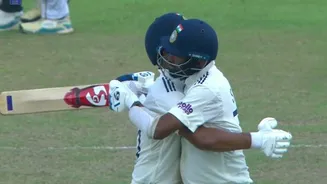
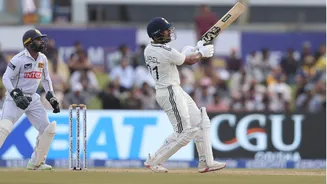
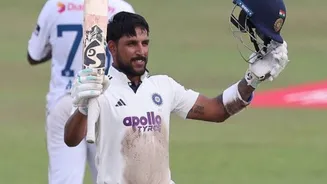
The ongoing Test series in Sri Lanka, and specifically the match in Colombo, serves as a perfect snapshot of Pant’s evolution. In the first Test at Galle, he hit a counter-attacking 66 from 69 balls to bail India out of trouble. Then, in Colombo, after being forced to retire hurt, he returned to the crease to forge a game-changing 112-run partnership with Dhruv Jurel. His innings of 63 was a blend of maturity and authority. During this knock, he surpassed MS Dhoni for the most away Test runs by an Indian wicketkeeper and also became India's leading run-scorer in the World Test Championship's history. Yet, in a moment that shows his journey is not yet complete, he was dismissed right after lunch attempting an aggressive shot. It was a reminder that the old Pant still flickers within, but the new one knows how to build an innings before taking those risks.
More Than Just Runs
Pant's value cannot be measured in runs alone. He has become a momentum-shifter, a player who alters the psychology of a match within a single session. His ability to hit sixes is not just for entertainment; it's a strategic weapon. He recently became the fastest player in Test history to hit 100 sixes, a testament to his unique approach. Where other batters might look to defend against a team's primary bowling threat, Pant often decides the best defence is an overwhelming attack, a tactic he has used to dismantle spinners and pacers alike. This fearless mindset, once seen as a liability, is now recognized as his greatest asset. Former players have even labelled him as potentially India's greatest-ever Test wicketkeeper-batsman, simply for the sheer impact he has on results.