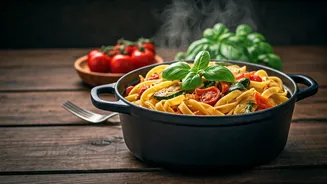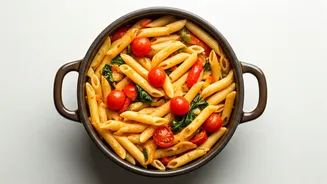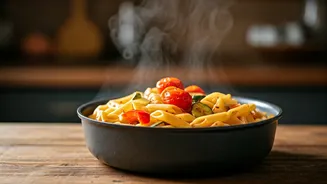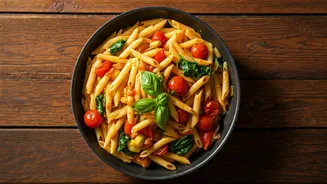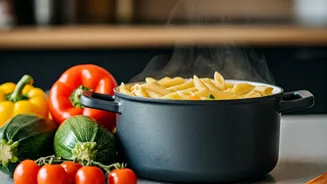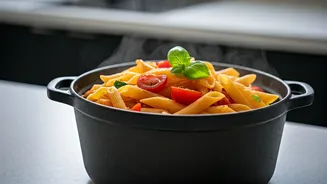


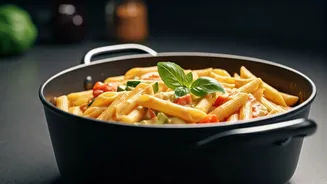


The Magic Behind One-Pot Pasta
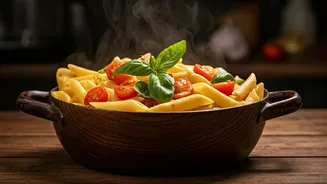
The one-pot pasta method is as simple as it sounds: all your ingredients, including the uncooked pasta, vegetables, and liquid, are cooked together in one large pot or skillet. As the pasta cooks, it releases starches directly into the surrounding liquid—typically
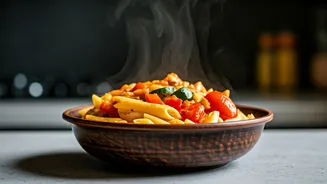
a mix of vegetable broth and water. This starch naturally thickens the liquid, creating a rich, velvety sauce that coats every piece of pasta without needing heavy cream. The flavours of the vegetables, herbs, and aromatics meld together during the simmer, infusing the entire dish with a depth you wouldn't get from simply pouring a sauce over separately boiled noodles.
Choosing the Right Ingredients
Success starts with the right components. For pasta, shorter shapes like penne, fusilli, or rotini work wonderfully because they submerge easily and cook evenly. If you prefer long pasta, spaghetti or linguine are also great options, though they require more frequent stirring at the start to prevent sticking. For the liquid, a combination of vegetable broth and water provides the best flavour base. When it comes to vegetables, the possibilities are endless. Cherry tomatoes, mushrooms, spinach, zucchini, and bell peppers are popular choices. The key is to add them at the right time. Harder vegetables like onions and carrots should go in at the beginning to soften, while delicate greens like spinach should be stirred in at the very end to wilt.
Mastering the Technique
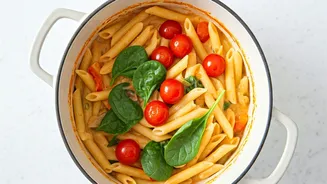
The most critical factor in one-pot pasta is the liquid-to-pasta ratio. A good rule of thumb is to use about 4 cups of liquid for every 8 ounces (about 225-250 grams) of dried pasta. It’s important to ensure the pasta is mostly submerged. Start by sautéing aromatics like garlic and onions in olive oil to build a flavour base. Then, add your harder vegetables, followed by the pasta, broth, and any canned tomatoes or tomato paste. Bring everything to a boil, then reduce the heat to a steady simmer and cover the pot. Stirring frequently is crucial, especially as the liquid reduces, to prevent the pasta from sticking to the bottom of the pot. The dish is typically ready in 10-15 minutes, or when the pasta is al dente and most of the liquid has been absorbed into a silky sauce.
Common Pitfalls to Avoid
While simple, there are a few things that can go wrong. If your pasta is mushy, it was likely overcooked. Start tasting it a minute or two before the package suggests. If the sauce is too watery, let it simmer for a few extra minutes with the lid off to thicken up. If it becomes too thick before the pasta is cooked, add a splash more hot water or broth. A common mistake is not seasoning enough. Remember, the pasta absorbs the flavour of the cooking liquid, so make sure your broth is well-seasoned with salt, pepper, and herbs from the start. Using a pot that is too small can cause the pasta to cook unevenly and clump together, so opt for a large, wide skillet or Dutch oven.
Endless Customisation Options
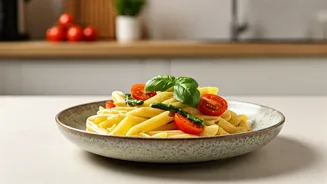
Once you understand the basic method, you can customise your one-pot pasta endlessly. For a creamier, richer sauce without dairy, you can use plant-based milk or even a spoonful of Greek yogurt stirred in at the end (after the pot is off the heat). To boost protein, add a can of chickpeas or white beans along with the pasta. For a touch of spice, a pinch of red pepper flakes at the beginning does wonders. Finish the dish with a handful of fresh basil or parsley, a sprinkle of Parmesan cheese (or a vegan alternative like nutritional yeast), and a final drizzle of extra-virgin olive oil for a perfect finish.