








A Climate Culprit Called El Niño
El Niño is a recurring climate pattern characterized by the warming of sea surface temperatures in the central and eastern tropical Pacific Ocean. While it happens far from India, its effects ripple across the globe, disrupting normal weather patterns.
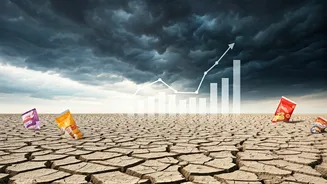
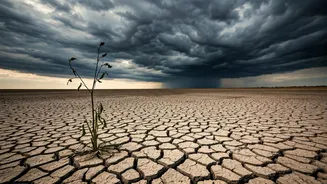
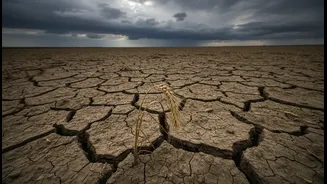
For India, the primary concern is its strong correlation with the southwest monsoon, which is the lifeblood of the country's agriculture. El Niño events are known to suppress rainfall, often leading to weaker monsoons and drought-like conditions in many parts of the country. The World Meteorological Organization has confirmed that El Niño conditions are not only present but are expected to strengthen from July to September 2026, increasing the likelihood of extreme weather globally.
The Monsoon-Agriculture Connection
India's agricultural sector, which employs a significant portion of the workforce, is heavily dependent on the monsoon. Rain-fed agriculture accounts for over half of India's net sown area and nearly 40% of its total food production. A weak or erratic monsoon, often triggered by El Niño, directly threatens this delicate balance. The current monsoon season has already started on a weak note, with June 2026 recording a significant rainfall deficit. This has delayed the sowing of crucial Kharif (summer) crops like rice, pulses, oilseeds, and cotton, raising concerns about lower yields and potential production shortfalls. Even a modest decline in agricultural output can have widespread economic consequences, starting with rural incomes and extending to the entire economy.
From Fields to Your Kitchen Table
The link between a poor monsoon and your food bill is direct. When rainfall is scarce, crop production suffers, leading to lower supply in the market. This supply-demand gap inevitably pushes prices up. Vegetables, which are highly sensitive to weather conditions and cannot be stored for long, are often the first to see sharp price spikes. However, the impact is much broader. Staples like pulses and oilseeds are also vulnerable. The last strong El Niño event in 2023-24 saw retail food inflation average over 8.5% for months. Experts are concerned that without proactive supply management, India could face a similar period of elevated food prices. Even the price of milk can be affected, as lower rainfall can lead to a shortage of fodder for livestock.
What the Government is Watching
The government and the Reserve Bank of India are closely monitoring the situation. A spike in food inflation can quickly drive up headline inflation, impacting monetary policy and household budgets. To counter potential shortages and price rises, the government can use its buffer stocks of essential grains like wheat and rice. It can also manage supplies through imports of commodities like pulses and edible oils. In fact, amid concerns over a delayed monsoon, the government has already been increasing the procurement price for onions to build up its buffer stock, a move aimed at stabilising prices during the lean season. These measures are designed to cushion the blow of a weak monsoon, but their effectiveness depends on the severity of the weather disruption.