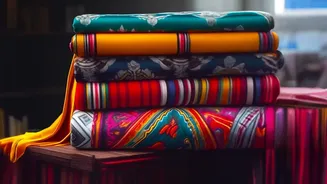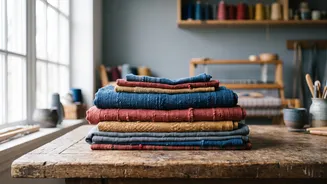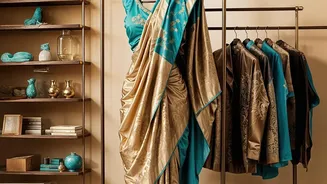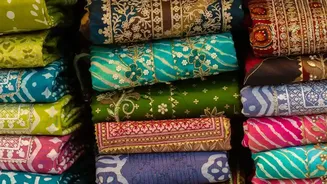




In a world dominated by fast fashion, a quiet but significant shift is happening in India. Younger shoppers are looking past synthetic materials and rediscovering the appeal of handloom fabrics, driven by a desire for something surprisingly simple: comfort.
The Uncomfortable Truth About Modern Wardrobes
For years, fast fashion has filled our closets with polyester, nylon, and acrylic garments. These fabrics are affordable and durable, but they come with a hidden cost, especially in a country with varied and often warm climates. Synthetic fibers are essentially plastics; they are hydrophobic, meaning they repel moisture rather than absorbing it. This creates a clammy, uncomfortable feeling as sweat gets trapped against the skin. Unlike natural fibers, which have evolved to manage moisture, synthetics were primarily engineered for cost and durability, not for harmony with our bodies. This leads to a common experience: feeling overheated and sticky in synthetic clothes, which can also trap odor-causing bacteria.
The Science of 'Breathing' Fabrics
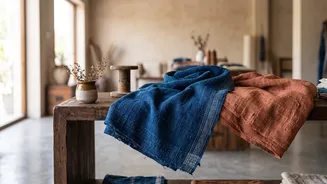
The magic of handloom fabrics like cotton, linen, and Khadi lies in their natural structure. These fibers are porous and hydrophilic, meaning they love water. Natural fibers have microscopic channels that pull moisture vapor away from the skin and release it into the air, a process known as wicking. This allows for evaporative cooling, which helps regulate body temperature naturally. For example, cotton can absorb up to 27 times its weight in water before feeling soaked, while linen is prized for its ability to absorb moisture and dry quickly, promoting airflow. This inherent breathability is what gives handloom its reputation for superior thermal comfort—it keeps you cool in the heat and provides a layer of warmth in the cold.
Khadi: The All-Season Heritage Weave
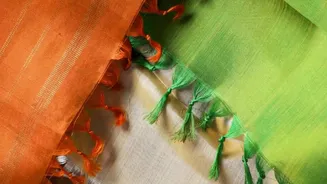
Khadi, in particular, exemplifies the benefits of heritage weaves. The process of hand-spinning and hand-weaving creates tiny air pockets within the fabric. These pockets act as a natural insulator, trapping air to keep you warm in winter while allowing air to circulate freely to keep you cool in summer. This unique thermoregulatory property makes Khadi an incredibly versatile, all-season fabric. Its ability to absorb sweat and allow the skin to breathe prevents the irritation and rashes often caused by tight synthetic materials in humid weather. For many young Indians, choosing Khadi is a practical decision for tangible comfort during long commutes and daily activities.
A Generational Shift Towards Slower Fashion
This preference for handloom is about more than just physical comfort; it reflects a broader cultural shift. Younger generations, suffering from what some call 'aesthetic fatigue' from mass-produced goods, are seeking authenticity and a connection to their heritage. Handloom offers a story, individuality, and a tangible link to artisanal traditions. This trend is deeply intertwined with the slow fashion movement, which emphasizes quality over quantity, environmental responsibility, and ethical production. Aware of fast fashion's environmental impact—the apparel industry accounts for an estimated 8–10% of global carbon emissions—many young consumers are choosing handloom as a conscious act of sustainability. They are investing in timeless pieces that support weavers and preserve living traditions.
Redefining Heritage for the Modern Wardrobe
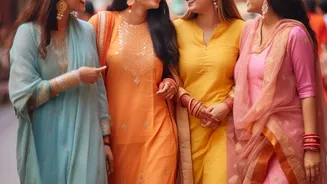
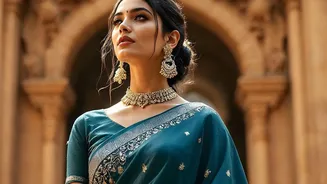
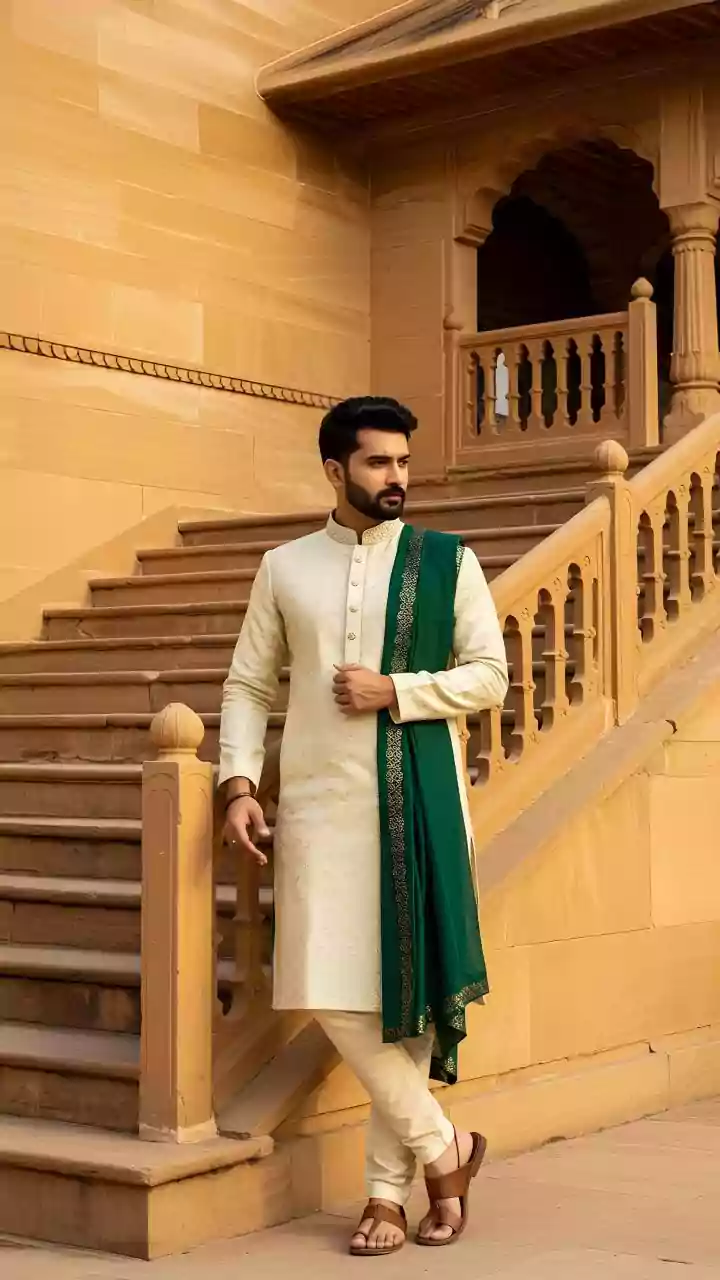
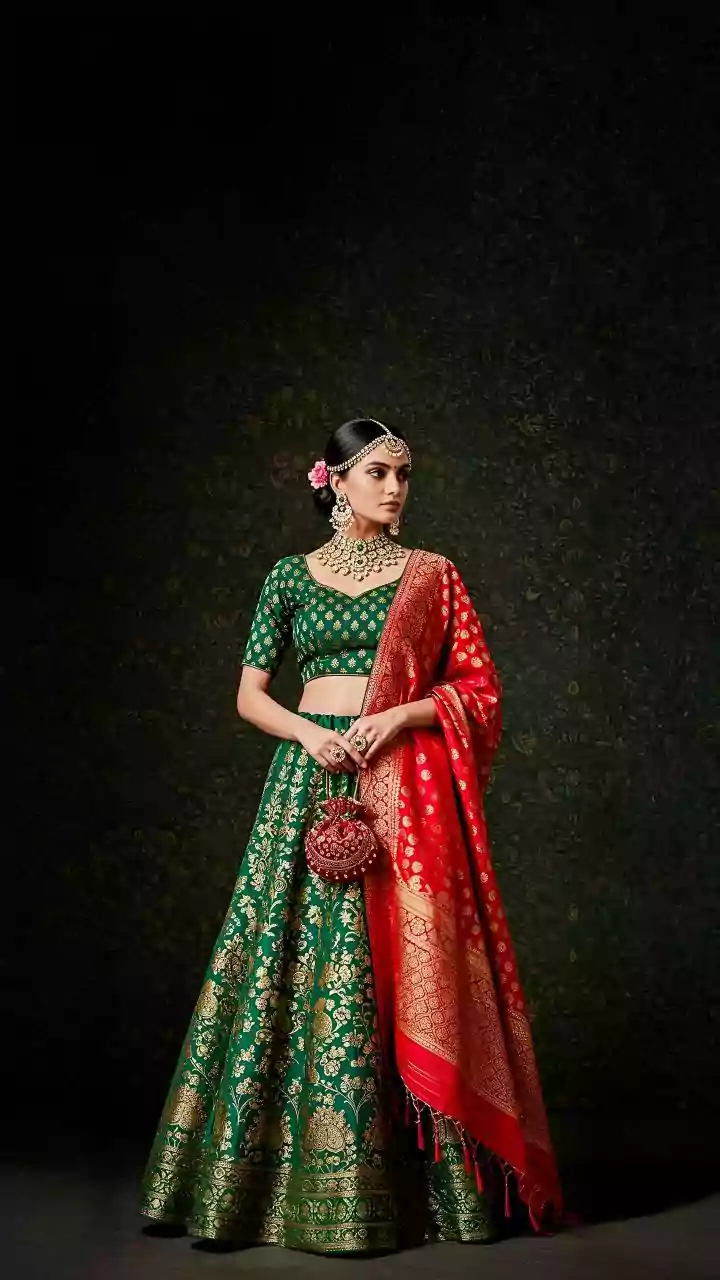
The revival is not about a nostalgic return to the past. Instead, young people are creatively integrating handloom into their modern lives. They are pairing handwoven kurtas with jeans, draping sarees over trousers, and using social media to share innovative styling that makes heritage fabrics feel contemporary and fresh. Designers and indie labels are responding by reinterpreting traditional patterns for modern clothing, making handloom fashionable and accessible to a new audience. This fusion of old and new ensures that India's rich textile heritage doesn't just survive but thrives, finding a permanent and practical place in the wardrobes of the future.