

The Fortress Cockpit
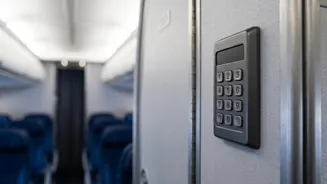
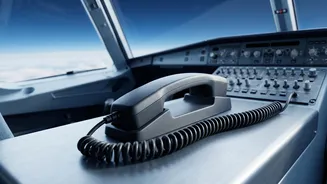
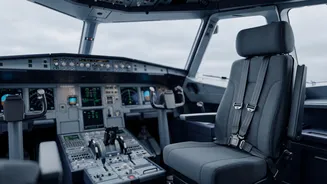
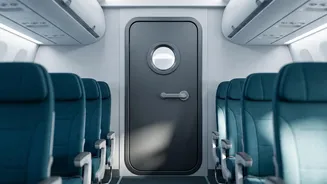
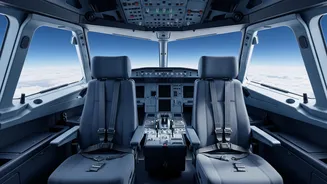
The first line of defence is physical. In the wake of the September 11, 2001 attacks, cockpit security was completely overhauled. Today’s cockpit doors are anything but ordinary. They are hardened, bullet-resistant structures designed to withstand significant
force, tampering, and even gunfire. Access is controlled entirely by the pilots through a secure electronic locking system. Cabin crew can request entry using a keypad, but the pilots inside have the final say. Some of the newest aircraft are now being fitted with a secondary physical barrier—a gate-like structure that is deployed when the main cockpit door is open, for instance during meal service, to prevent any potential rush for the flight deck.
The Two-Person Rule
What happens if a pilot needs to leave the cockpit for physiological needs? To prevent a pilot from being left alone and locked out—or a single pilot from being alone inside—many airlines adopted the "two-person cockpit rule." This protocol requires that if one of the pilots leaves, another crew member, typically a flight attendant, must enter and remain in the cockpit until the pilot returns. While this rule became widespread after the deliberate 2015 Germanwings crash, its application can vary by airline and regulator, as some authorities leave it to the airline's discretion after assessing the risks. The primary purpose is to ensure that someone is always available to open the door from the inside in an emergency and to provide a second set of eyes.
Training for the Unthinkable
Every commercial aircraft is flown by two fully qualified pilots, a captain and a first officer, either of whom is capable of flying the plane alone. Airlines and aviation authorities mandate rigorous and recurrent training for pilot incapacitation scenarios. In advanced flight simulators, pilots practice every phase of flight—from takeoff to landing—as a single-pilot operation. They rehearse declaring an emergency, communicating with air traffic control (ATC) to get priority handling, and managing the increased workload. ATC can assist by clearing airspace and providing simpler, longer approach paths to reduce pilot stress. Pilots are trained to announce "I have control," secure the incapacitated crew member so they don't interfere with the controls, and then fly the aircraft to a safe landing.
When Technology Lends a Hand
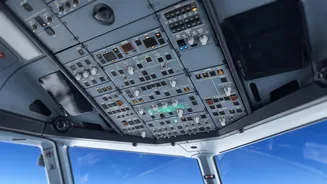
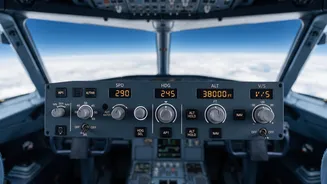
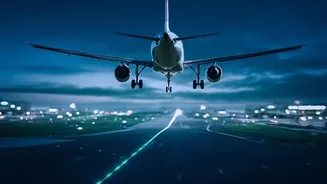
Modern aircraft are equipped with sophisticated automation that significantly reduces the workload in an emergency. Autopilot systems can manage the aircraft's speed, heading, and altitude, freeing up the remaining pilot to focus on other critical tasks like communication and preparing for landing. In the case of an incapacitation, the pilot can use the autopilot to maintain stable flight while they assess the situation and plan their next steps. Some aircraft, like the Airbus A320, even have autoland capabilities that can perform the landing with minimal pilot input, which is invaluable during a high-stress, single-pilot situation. This technological redundancy is a crucial layer of safety, acting as a competent, if not human, co-pilot.
The Human Factor: Mental Health and Vetting
Preventing threats also involves ensuring the pilots themselves are fit to fly, both physically and mentally. In many countries, aviation authorities like the US Federal Aviation Administration (FAA) mandate stringent vetting and regular medical evaluations. Pilots must undergo criminal history checks and security assessments before being hired. Furthermore, they are subject to regular medical exams which include assessments of their mental health. Pilots are required to disclose any health professional visits and medications. These evaluations are conducted by specialized Aviation Medical Examiners trained to identify issues that could impair a pilot's ability to fly safely. While no system is perfect, these measures are designed to identify potential risks long before a pilot enters the cockpit.