






We see them on every food label, but what is a calorie, really? It's a simple number meant to measure energy, but the story of how your body uses that energy is far more complex than the number alone suggests.
The Science of a Simple Number
In strict scientific terms, a calorie is a unit
of energy. Specifically, a food calorie (technically a kilocalorie) is the amount of energy required to raise the temperature of one kilogram of water by one degree Celsius. Originally, scientists measured this by burning a food sample in a device called a bomb calorimeter and measuring the heat it released. Today, most food labels use the Atwater system, a method developed in the late 1800s. This system calculates total calories by adding up the energy provided by the main nutrients: about 4 calories per gram of protein or carbohydrate, and 9 calories per gram of fat. This gives us a standardised, if imperfect, way to estimate a food's energy content.
Why the Numbers Aren't Perfect
Relying on calorie counts can be misleading, partly because the numbers themselves are often just good estimates. Food labels are legally permitted to have a margin of error of up to 20%, which can add up significantly over a day's meals. Furthermore, the Atwater system is based on averages and doesn't fully account for how our bodies actually digest food. Factors like a food's fibre content can change how many calories we truly absorb. Our bodies don't burn food in the same way a lab instrument does; digestion is a complex biological process, not a simple combustion engine.
The Thermic Effect of Food
One of the most significant factors a calorie count ignores is the 'thermic effect of food' (TEF), which is the energy your body expends to digest, absorb, and metabolise what you eat. This accounts for about 10% of your daily energy expenditure. Different macronutrients have vastly different thermic effects. Protein is the most 'expensive' to process, using 20–30% of its own calories for digestion. Carbohydrates are next, at about 5–10%, while fat is the easiest to process, requiring only 0–3% of its calories. This means that 100 calories from a chicken breast and 100 calories from butter will not provide the same net energy to your body once the cost of digestion is factored in.
Quality Over Quantity: Nutrient Density
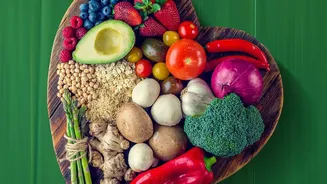
The phrase 'a calorie is a calorie' is true in physics but falls apart in nutrition. Two foods can have identical calorie counts but vastly different effects on your health, hunger, and metabolism. This is where the concept of nutrient density comes in. Nutrient-dense foods provide a high amount of vitamins, minerals, fibre, and other beneficial compounds relative to their calories. For example, 200 calories of almonds provide fibre, healthy fats, and protein that promote fullness, while 200 calories of a sugary soda provide little more than quick energy and can leave you feeling hungry shortly after. Focusing on nutrient quality helps ensure your body gets the building blocks it needs, not just empty energy.
How Processing and Cooking Change the Game
How a food is prepared and processed can dramatically alter its caloric impact. Highly processed foods are often stripped of fibre and protein, which makes them easier for the body to break down and absorb energy from. In one study, a meal of multi-grain bread and real cheddar cheese required more energy to digest than a nutritionally matched meal of white bread and processed cheese. Cooking also makes calories more available. Our bodies extract more energy from cooked foods like meat or potatoes compared to when they are raw. The structure of food matters; our bodies work harder and absorb fewer calories from whole, unprocessed foods compared to their refined counterparts.