







The Legal Framework: Who Is in Charge?
Food safety in India is primarily governed by the Food Safety and Standards Authority of India (FSSAI). This body sets the overarching rules for everything from hygiene to licensing. Locally, in Bengaluru, officials from the Bruhat Bengaluru Mahanagara
Palike (BBMP) and Karnataka's Food Safety and Drug Administration (FSDA) are the ones who conduct surprise inspections to enforce these standards. Their goal is to ensure that every food business operator, from a small eatery to a five-star hotel, holds a valid FSSAI license and adheres to the law to protect public health.
Kitchen and Premises: The First Impression
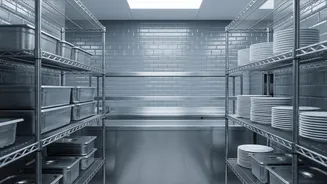
An inspector's check often begins with the general condition of the premises. They look for clean, well-maintained kitchens with walls, floors, and ceilings that are smooth and in good repair, with no peeling paint. Proper ventilation is a must, as are windows and doors fitted with mesh to keep out pests like flies. Inspectors also check for organised storage, ensuring food items are kept at least six inches off the floor. Recent inspections in Bengaluru have flagged everything from cockroach infestations to unhygienic storage areas as serious violations.
Food Storage and Temperature Control
This is one of the most critical areas. Inspectors meticulously check how raw materials and cooked food are stored. A key rule is maintaining the 'temperature danger zone' (between 5°C and 60°C), where bacteria can multiply rapidly. Cold food must be kept below 5°C, while hot food should be held above 60°C. They look for proper labelling with manufacturing and expiry dates on all products. During recent drives in the city, officials seized large quantities of expired meat, milk, and vegetables from various establishments, highlighting the importance of this check.
Preventing Cross-Contamination
Preventing the transfer of germs from raw to cooked food is non-negotiable. Inspectors ensure that restaurants use separate chopping boards, knives, and utensils for vegetarian and non-vegetarian items, as well as for raw and cooked ingredients. Raw meat should always be stored below ready-to-eat foods in refrigerators to prevent juices from dripping down and contaminating them. Proper segregation was a key issue noted in recent Bengaluru inspections, where some establishments failed to keep veg and non-veg items separate.
Staff Hygiene and Training
The health and hygiene of food handlers are paramount. Inspectors check that staff wear clean uniforms, aprons, hairnets or caps, and gloves when necessary. Basic personal hygiene, like trimmed nails and regular handwashing, is strictly monitored. Furthermore, restaurants are required to have at least one FSSAI-certified Food Safety Supervisor on staff to oversee practices. Officials also check for valid medical fitness records for kitchen staff, a violation found at some Bengaluru clubs recently.
Sanitation and Waste Disposal
Cleanliness extends to every corner. Inspectors verify that there are separate, designated sinks for handwashing, washing raw food, and cleaning utensils. Garbage bins must be covered and emptied regularly to prevent attracting pests. Recent inspections across Bengaluru have noted violations related to improper solid waste management and unhygienic washrooms. Effective pest control measures and records are also scrutinized to ensure the premises are free of rodents and insects.