



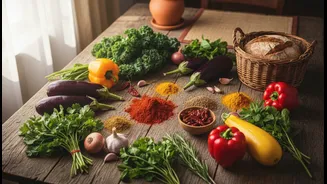


From Itinerary Filler to Main Event
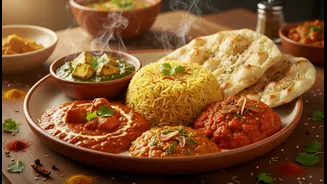
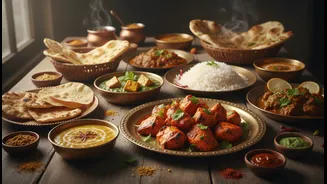
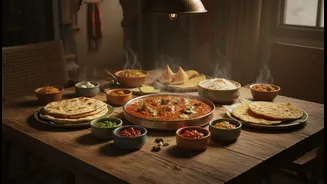
Not too long ago, food was a pleasant but secondary part of a holiday plan. You’d decide on a destination and then figure out the best places to eat. Today, that script has flipped. For a growing number of young Indian travellers, the food is the destination.
A trip is planned not just to see the palaces of Jaipur, but to taste authentic Dal Baati Churma. The decision to visit Lucknow is driven as much by the promise of melt-in-the-mouth Tunday Kebabs as it is by the desire to see the Bara Imambara. This trend, known as gastronomic or culinary tourism, has moved from a niche interest to a primary motivator for travel. According to industry reports, food is no longer an add-on; it has become a core reason for the journey itself.
The Social Media Effect
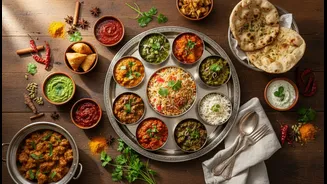
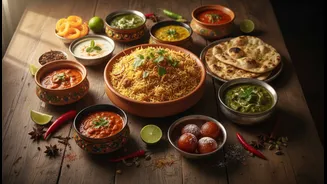
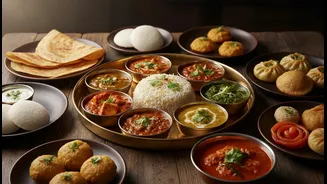
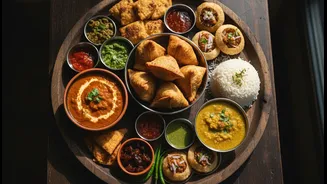
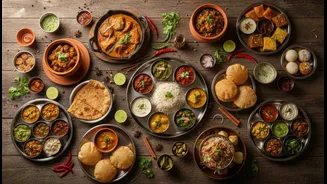
A huge driver of this change is the device in your pocket. Platforms like Instagram and YouTube have become visual menus for travel inspiration. A perfectly captured video of a vendor pulling cheese on a dosa or a vibrant picture of a Bengali thali can spark more travel desire than a traditional travel brochure ever could. Food bloggers and travel influencers have become the new tour guides, creating culinary bucket lists for their followers. This digital word-of-mouth is incredibly powerful, especially for Millennials and Gen Z, who are heavily influenced by user-generated content when making travel plans. The desire to experience—and photograph—these unique regional dishes turns a travel plan into a treasure hunt for the most authentic and visually appealing food.
A Quest for Authentic Connection
Beyond the social media buzz lies a deeper motivation: a search for authenticity. In an increasingly globalised world, young Indians are seeking genuine connections to their own country's vast and varied cultural heritage. Food is one of the most direct and delicious ways to experience a place's identity. Sharing a meal, learning about its history, and understanding its ingredients is an intimate form of cultural immersion. This trend is evident in the rising popularity of street food tours, which a 2024 report identified as the biggest vacation attraction for Indians. Experiences like home dining with local families, visiting spice plantations, or taking part in cooking workshops are also in high demand, allowing travellers to go beyond just tasting and actively participate in a region's culinary traditions.
A Culinary Map of India
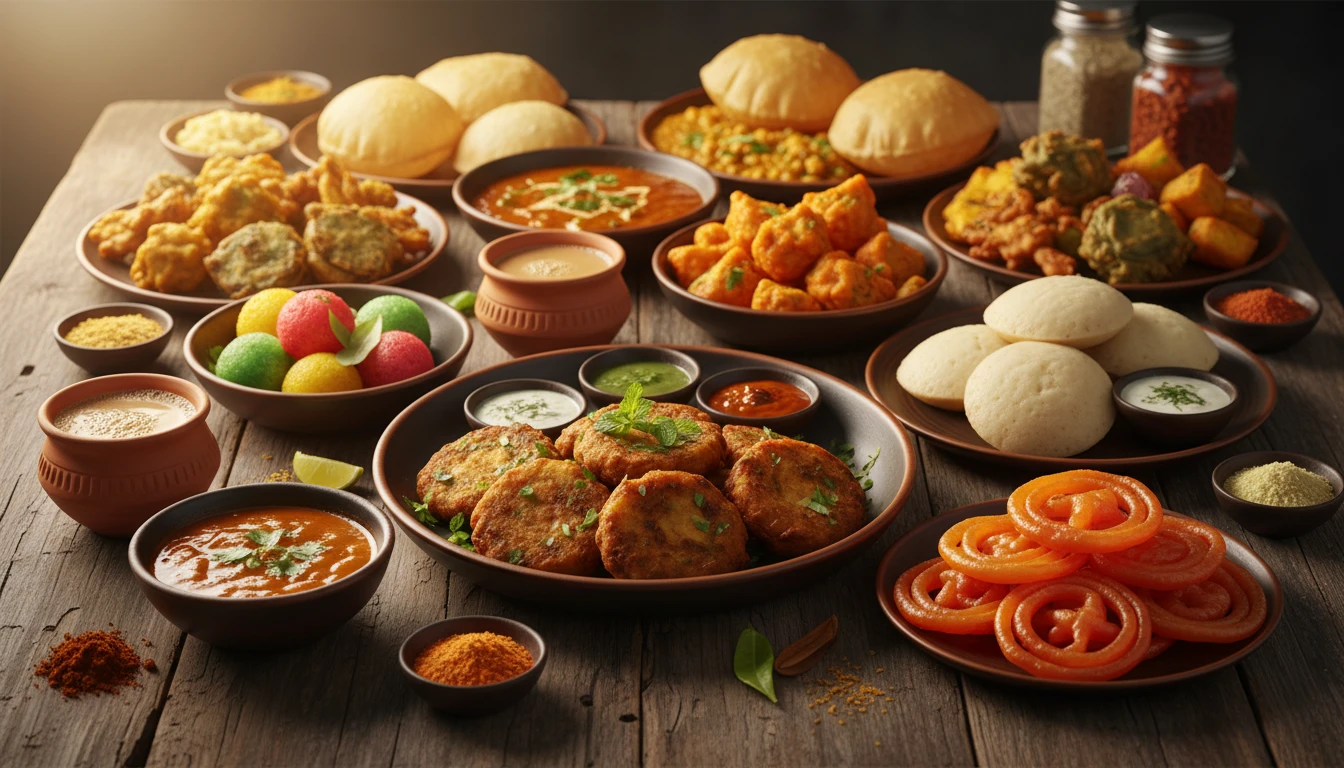
This food-first approach to travel is creating distinct culinary trails across the country. The streets of Old Delhi are a pilgrimage for chaat and kebab lovers, while Amritsar draws crowds for its legendary kulchas and buttery lassi. Kolkata is a must-visit for its rich Bengali sweets and famous kathi rolls. In the west, Mumbai’s vibrant street food culture, from Vada Pav to Pav Bhaji, offers a taste of the city’s fast-paced life. Further south, the draw is different. Goa’s unique blend of Portuguese and Konkani flavours makes it a seafood lover’s paradise, while the backwaters of Kerala offer distinct dishes flavoured with coconut and local spices. These destinations are not just places on a map; they are flavour profiles waiting to be explored.
More Than Just a Meal
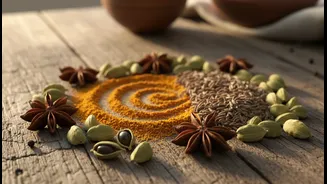
This growing appetite for culinary travel has a significant economic impact. It supports small, local eateries and businesses that might otherwise be overlooked in traditional tourism models. Homestays that offer authentic, home-cooked meals are thriving. This shift encourages sustainable practices and helps preserve regional culinary heritage by placing a tangible value on it. By choosing to travel for food, young Indians are not just satisfying their cravings; they are investing in the cultural and economic fabric of local communities across the nation. The culinary tourism market in India is expanding rapidly, with experts noting a significant increase in spending on food-related experiences during vacations.