


What’s Hiding in the Mud?
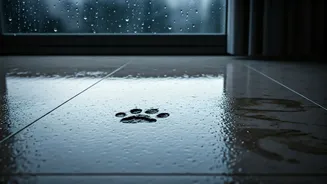
A muddy paw is a microcosm of the outside world. Beyond the visible soil and grit, your dog’s paws can pick up a host of unseen troublemakers. This includes allergens like pollen and mould spores, which can trigger skin irritation and itching. More concerning
are the bacteria and fungi that thrive in damp soil. These microorganisms can lead to infections if they find their way into small cuts or abrasions on the paw pads. During and after the monsoon, stagnant water puddles can be breeding grounds for even more potent bacteria. Furthermore, hidden within the mud could be sharp objects like tiny shards of glass, thorns, or sharp pebbles that can cause pain and injury if not removed.
The Danger of Damp Paws
A quick, superficial wipe often leaves the area between the paw pads and toes damp. This trapped moisture creates a warm, humid environment—the perfect breeding ground for yeast and bacteria. This can lead to a common and uncomfortable condition called pododermatitis, an inflammation of the skin on the paws. Signs include redness, swelling, discharge, and your dog constantly licking or chewing at their feet. Over time, persistently damp paws can also cause the pads to become soft and more susceptible to cracking and injury. A thorough drying process is just as critical as the cleaning itself to ensure your furry friend remains comfortable and healthy.
Your Essential Paw-Washing Toolkit
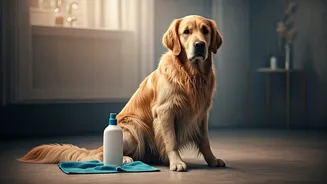
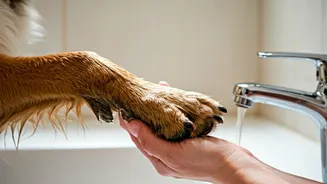
You don’t need a professional grooming station to get the job done right. A simple, dedicated kit kept by your door can make all the difference. Start with a small basin or a portable paw plunger/washer filled with lukewarm water. Never use hot water, as it can be uncomfortable and dry out their skin. You’ll also need a designated ‘paw towel’—an old, soft towel is perfect. For the cleaning agent, avoid human soaps or harsh detergents. Use either a very mild, pet-specific shampoo or just plain water. A soft-bristled brush (a gentle toothbrush can work) is excellent for getting between the pads. Finally, have some pet-safe antiseptic wipes on hand for quick touch-ups on less muddy days.
The Proper Paw Cleaning Ritual
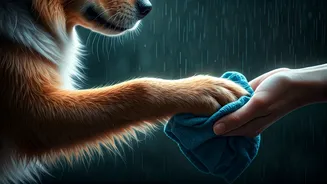
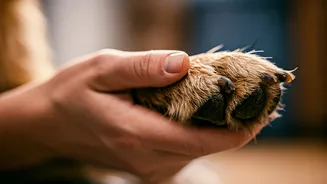
Transforming paw cleaning from a chore into a calm routine is key. First, gently inspect each paw, spreading the toes to check for any cuts, thorns, or debris. This is a crucial first step. Next, dip one paw at a time into the basin of lukewarm water. Use your fingers or the soft brush to gently scrub the pads, the top of the paw, and carefully in between the toes. This is where most of the grime and moisture gets trapped. Once clean, rinse the paw with a bit of fresh water to remove any soapy residue. The final, most important step is to dry the paw completely with your designated towel. Pay extra attention to drying the area between the toes to prevent fungal growth. Make it a positive experience with praise and a small treat afterwards.
Extra Care for Monsoon Season
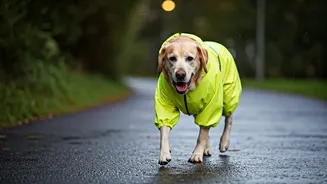
In India, the monsoon brings a special set of challenges for pet paws. The constant dampness means you need to be extra vigilant. Consider keeping the hair around your dog’s paws trimmed short. This prevents it from trapping excess mud and water, making the cleaning and drying process much faster and more effective. During these wet months, make paw inspection a daily habit, even on days you don’t go for a long walk. The humidity in the air alone can be enough to exacerbate underlying skin issues. If you notice persistent redness, a foul odour, or your dog seems to be in pain, it's always best to consult your veterinarian promptly, as these can be early signs of an infection.