
Jaipur, Rajasthan's famed 'Pink City', is a treasure trove of architectural marvels. The cool, pleasant air of winter provides the perfect backdrop to explore its majestic forts and palaces, making it an ideal heritage getaway.
Why Visit in Winter?
The winter season, from
October to March, is widely considered the best time to visit Jaipur. The scorching summer heat gives way to comfortable daytime temperatures, often ranging from a pleasant 15°C to 25°C, perfect for long hours of sightseeing on foot. Mornings and evenings are crisp and cool, sometimes requiring a light jacket or shawl, but the clear skies and soft sunlight create exceptional conditions for photography. This peak season also means the city is alive with festivals and a vibrant energy, though it's wise to book accommodation in advance.
The Origin of the Pink City
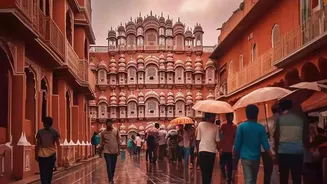
The city's famous nickname has a specific origin. In 1876, to welcome Albert Edward, the Prince of Wales, Maharaja Sawai Ram Singh II ordered the buildings of the old city to be painted a terracotta pink colour, which in Rajput culture symbolizes hospitality. The queen was reportedly so charmed by the uniform colour that the Maharaja passed a law in 1877 making it illegal to paint buildings in the walled city any other colour. This law remains in effect, ensuring the historic centre retains its unique and welcoming hue.
The Majestic Amer Fort
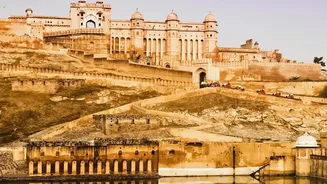
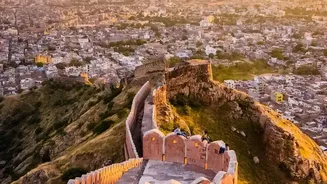
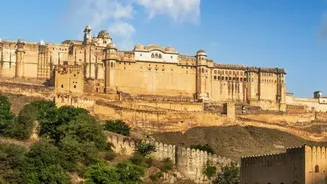
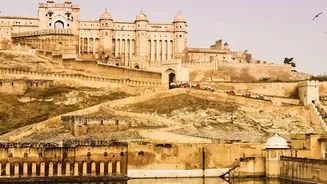
Perched on a hill about 11 kilometres from the city centre, Amer Fort (also called Amber Fort) is an unmissable blend of Hindu and Mughal architecture. First constructed in 1592 by Raja Man Singh I, this UNESCO World Heritage Site is a sprawling complex of courtyards, palaces, and halls. Exploring its ramparts and opulent rooms, like the dazzling Sheesh Mahal (Mirror Palace), is far more enjoyable in the cool winter weather. Plan to spend at least two to three hours here, and arrive early in the morning to avoid the biggest crowds and experience the soft light on the sandstone and marble.
The Heart of the City: City Palace and Jantar Mantar
In the centre of old Jaipur lies the magnificent City Palace, a vast complex founded in 1727 that still serves as a residence for the royal family. It showcases a fusion of Rajasthani and Mughal styles across its many courtyards, gardens, and museums, which house royal costumes and artefacts. Don't miss the Pritam Niwas Chowk, a courtyard with four ornate gates representing the seasons. A short walk from the palace is Jantar Mantar, an 18th century astronomical observatory and UNESCO World Heritage Site. Built by the city's founder, the scholar king Sawai Jai Singh II, it features a collection of 19 colossal astronomical instruments, including the world's largest stone sundial.
The Iconic Hawa Mahal
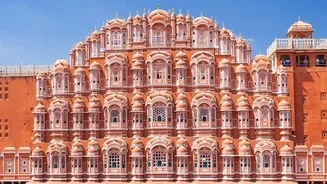
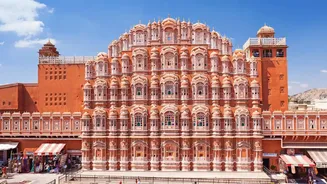
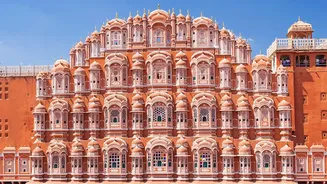
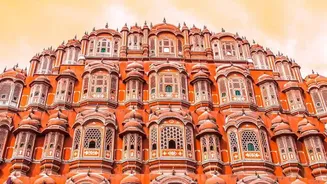
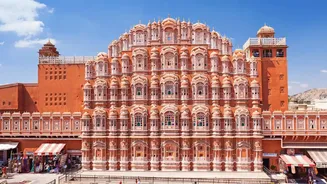
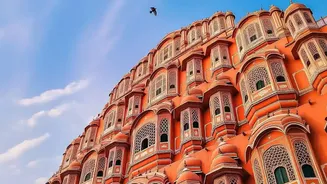
No image of Jaipur is more famous than the Hawa Mahal, or 'Palace of Winds'. This five storey pink sandstone facade, with its 953 intricate latticed windows, is not a palace in the traditional sense. It was built in 1799 to allow the royal women to observe street life and festivals without being seen. The best photographs of its honeycomb like exterior are taken in the morning light from one of the rooftop cafes across the road. While the view from the street is iconic, venturing inside reveals the narrow passages and clever design that allowed cool breezes to flow through, giving the structure its name.
Winter Travel and Shopping Tips
When packing for a winter trip, think in layers: light clothes for the warm afternoons, with sweaters or jackets for the chilly mornings and evenings. Comfortable walking shoes are essential for exploring the sprawling forts and bustling markets. The winter season is perfect for shopping in Jaipur's famous bazaars. Head to Johari Bazaar for jewellery, Bapu Bazaar for textiles and leather goods, and Tripolia Bazaar for bangles and handicrafts. Don't forget to sample winter culinary specialities like dal baati churma and warm gajak (a sesame and jaggery sweet).