




Plan, But Stay Flexible
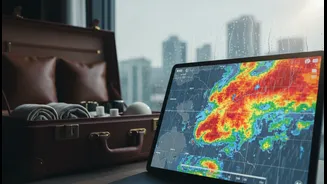
The first step for any monsoon trip is to check the weather forecast. The India Meteorological Department (IMD) has predicted heavy to very heavy rainfall for this weekend across several regions, including Northeast India, parts of Uttar Pradesh, Bihar,
and Uttarakhand. However, monsoon weather is famously unpredictable. While forecasts are a good guide, always have a backup plan. Build flexibility into your itinerary to account for potential travel delays on roads or railways. It’s wise to avoid an overly packed schedule, giving you room to adapt if a sudden downpour keeps you indoors for a few hours. When booking hotels, look for options with flexible cancellation policies.
Choose Your Destination Wisely
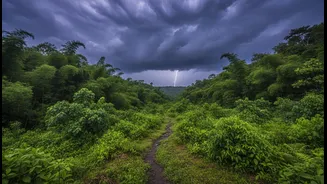
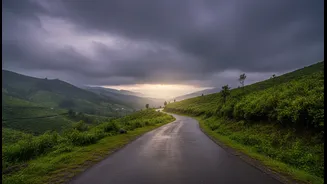
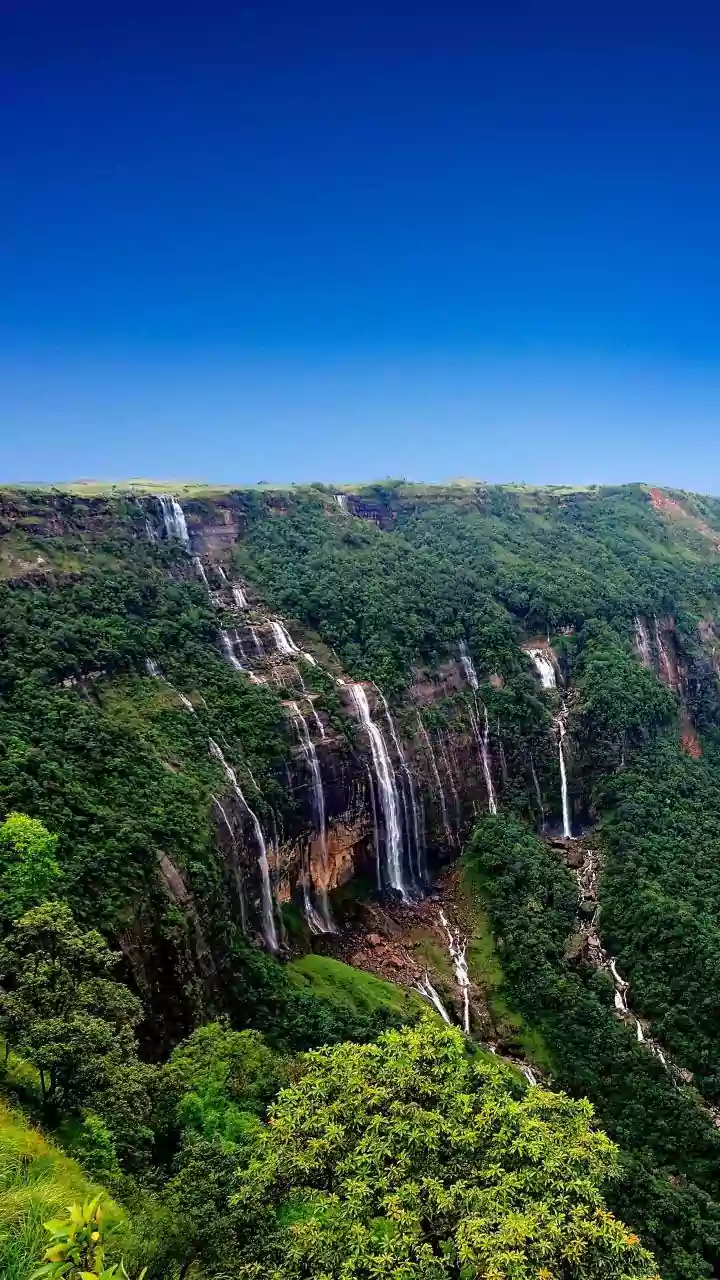
Some places truly come alive in the rain, while others are best avoided. This is a great time to explore lush hill stations where mist-covered valleys create a magical atmosphere. Destinations like Lonavala and Mahabaleshwar in Maharashtra, Munnar in Kerala, and Coorg in Karnataka are popular for a reason; waterfalls are in full flow and the greenery is breathtaking. Udaipur in Rajasthan is another romantic option, as the city's lakes fill up, reflecting the cloudy skies. Conversely, it’s generally best to avoid coastlines, as strong currents can make swimming dangerous and many beach shacks and resorts close for the season. High-altitude Himalayan regions like parts of Himachal Pradesh and Uttarakhand can be prone to landslides, so check local advisories before travelling.
The Art of Monsoon Packing
Packing correctly is crucial for a comfortable trip. Prioritize lightweight, quick-drying clothes made from synthetic fabrics over heavy cotton or denim, which take a long time to dry. A reliable waterproof jacket and a sturdy, wind-resistant umbrella are non-negotiable. When it comes to footwear, choose waterproof shoes, rubber sandals, or boots with a strong grip to prevent slipping on wet, muddy paths. To protect your electronics and important documents like your ID and tickets, use waterproof bags, backpack covers, or even simple zip-lock pouches. It's also a good idea to pack a power bank, as power cuts can be more frequent during heavy rains.
Road Trip? Prepare Your Vehicle
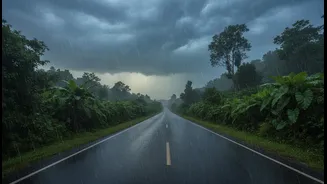
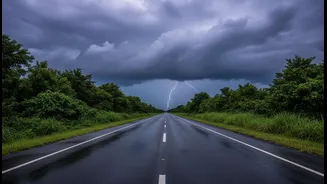
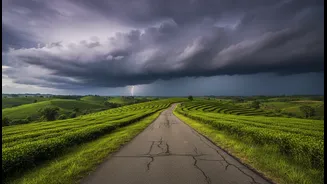
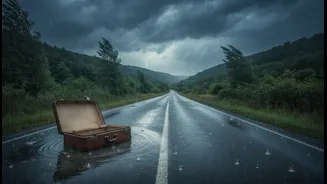
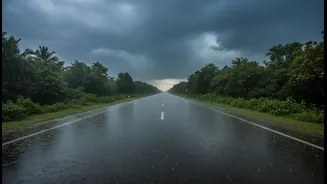
A monsoon road trip can be incredibly scenic, but it demands extra caution. Before you leave, ensure your car is ready. Check that your tyres have sufficient tread, your brakes are in top condition, and your wiper blades are working effectively. Wet roads significantly increase braking distance, so reduce your speed and maintain double the usual distance from the vehicle in front of you. Always use your low-beam headlights for better visibility, even during the day. The most critical rule is to never drive through flooded streets. The water can hide deep potholes and be much deeper than it appears, potentially stalling your engine. If your car does stall in water, do not try to restart it, as this can cause severe engine damage.
Health and Safety First
A few health precautions can prevent your trip from being ruined by illness. Mosquitoes are more prevalent during the monsoon, so carrying a good insect repellent is essential to protect against bites. It's also a time when waterborne diseases can spread, so stick to bottled or purified water and be cautious about eating street food that may have been exposed to the elements. Pack a basic first-aid kit with antiseptic wipes, bandages, and any personal medications you need. With a bit of planning, you can handle minor issues without derailing your holiday.