



Understanding Creaminess
In traditional Indian cooking, dairy products like cream (malai), yoghurt (dahi), and ghee are often used to create a silky, rich texture and balance the heat of the spices. The fat content in these ingredients emulsifies with the water-based components
of the curry, resulting in a smooth, thick gravy. To replicate this effect without dairy, the goal is to find ingredients that are high in natural fats and can be broken down into a fine, smooth paste that integrates seamlessly into the sauce.
The Magic of Nut Pastes
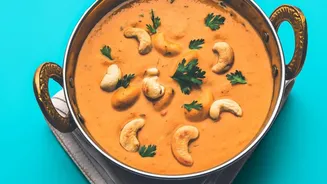
One of the most popular and effective ways to create a creamy, dairy-free curry is with nut pastes. Cashews are a top choice because of their high fat content and relatively neutral flavour. When soaked and blended, they create an incredibly rich and smooth cream that mimics dairy. To use them, soak raw cashews in hot water for at least 30 minutes (or overnight in cold water), then blend them with a little fresh water until you have a completely smooth, lump-free paste. Almonds can also be used, though they have a slightly more pronounced nutty flavour. For best results with almonds, use blanched (skinless) ones to ensure a smoother, lighter-coloured paste. This paste is typically added towards the end of the cooking process to thicken the gravy and add richness.
Harnessing the Power of Seeds
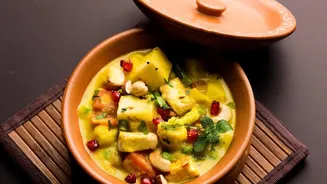
Seeds are another powerhouse for creating creamy textures. White poppy seeds (khus khus) and melon seeds (magaz) are traditional thickeners in many regional Indian cuisines, especially Mughlai and Bengali cooking. Poppy seeds, once ground into a fine paste, lend a unique nutty flavour and a wonderful velvety consistency. They often require soaking for several hours to soften them before grinding. Grinding them with a little water and perhaps some green chillies can form the base of a delicious gravy, as seen in the Bengali dish 'Aloo Posto'. This seed paste should be cooked in oil to remove any raw taste before the other curry components are added.
The Coconut Connection
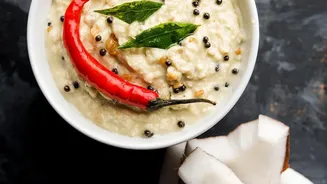
Coconut milk or cream is a classic choice for dairy-free creaminess, especially in South Indian and coastal cuisines. Full-fat coconut milk provides a luscious texture and a distinct, sweet flavour that pairs beautifully with spicy dishes. When using coconut milk, it's best to add it near the end of the cooking time and simmer gently without bringing it to a rolling boil, which can cause it to split or curdle. For an extra-rich finish, a spoonful of coconut cream can be stirred in just before serving.
Technique is Everything: Blending and Cooking
The ingredient is only half the story; the technique is what truly brings it all together. For the smoothest possible curry, a powerful blender is your best friend. Whether you are using nuts, seeds, or even just your base of onions and tomatoes, blending them until completely smooth is crucial. Straining the blended paste through a fine-mesh sieve is an extra step that guarantees a silky, restaurant-quality texture by removing any remaining fibres or chunks. Furthermore, the cooking process is vital. Always 'bhuno' (sauté) your onion, ginger, and garlic base properly until it is well-cooked and releases oil. When you add a nut or seed paste, it's important to sauté it for a few minutes as well. This cooks out the raw taste and allows the fats to meld with the spices, creating a deeper, more integrated flavour and a truly creamy finish.