







An Unsettling Climate Connection
El Niño is a climate pattern characterized by the unusual warming of surface waters in the eastern and central Pacific Ocean. Though it originates thousands of kilometers away, its influence on India is profound and often detrimental. By altering atmospheric
circulation, El Niño typically weakens the trade winds that carry moisture to the subcontinent, thereby suppressing the vital southwest monsoon. This monsoon delivers about 70% of India's annual rainfall, making it the lifeblood of the nation's agriculture and the primary source for replenishing water reserves. A weaker or erratic monsoon can trigger a domino effect of crises, from farming to power generation.
Pressure Builds on Urban India
For India's densely populated cities, a strong El Niño presents a multi-pronged threat. The first and most immediate is heat. Drier conditions and less cloud cover can lead to more intense and prolonged heatwaves. This is amplified by the 'urban heat island' effect, where concrete and asphalt trap heat, preventing cities from cooling down at night and increasing health risks like heatstroke. Secondly, water scarcity becomes a major concern. Reduced monsoon rainfall means less water flowing into the reservoirs that supply cities like Bengaluru and Chennai. This can lead to stringent water rationing and an increased, costly reliance on water tankers. Finally, the combination of extreme heat and lower reservoir levels puts a severe strain on the power grid as demand for air conditioning soars while hydropower generation plummets.
A Crisis for the Country's Farms
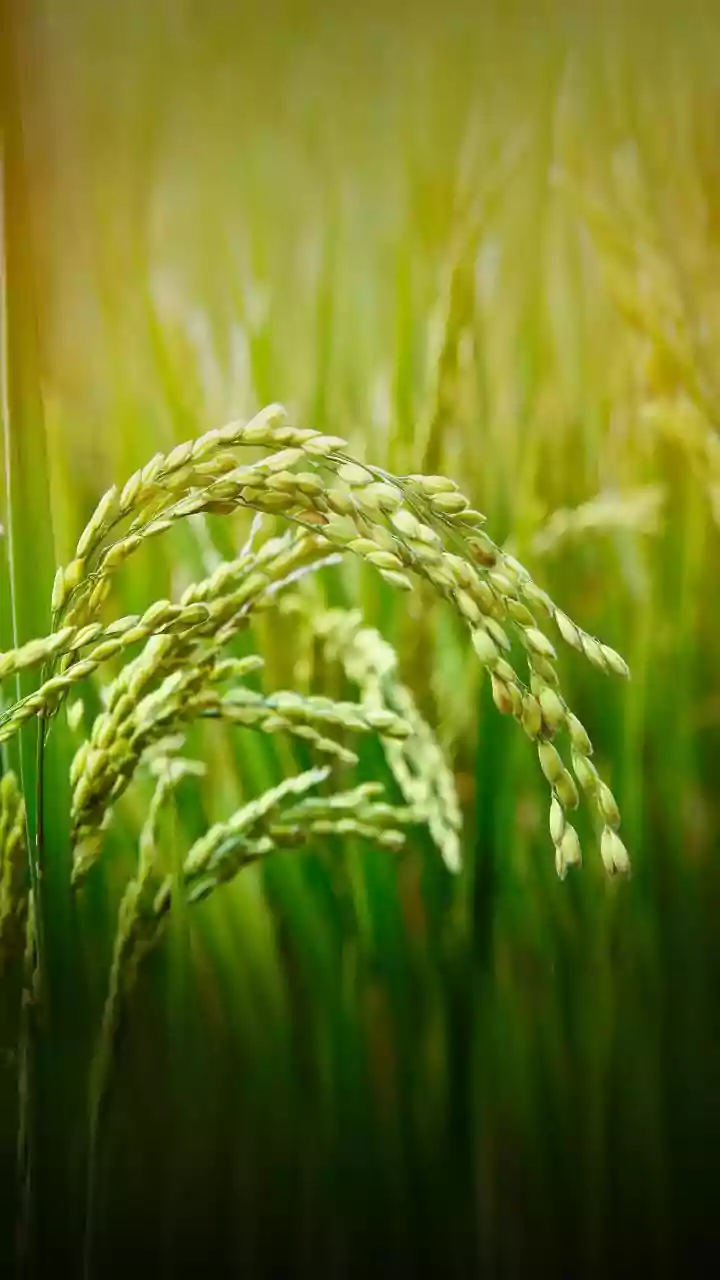
Agriculture, the backbone of the rural economy, is acutely vulnerable to El Niño's impact. A delayed or deficient monsoon directly threatens the Kharif planting season, when crucial crops like rice, maize, cotton, and pulses are sown. Recent reports from September 2026 indicate that drought conditions are already affecting over half of the country, with significant rainfall deficits in key agricultural states. This lack of moisture not only hurts standing crops but also depletes soil moisture, jeopardizing the subsequent winter (Rabi) sowing season. The consequences are severe: lower crop yields can lead to farmer distress, rising food prices for consumers, and a significant blow to the national economy.
India's Water Systems Running Low
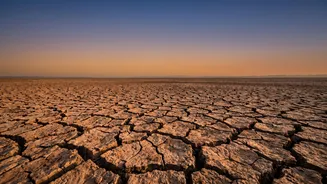
The health of India's water systems is inextricably linked to the monsoon, and El Niño puts this entire system under stress. Data from mid-2026 already shows reservoir levels across the country are significantly lower than in previous years, with the southern region being hit particularly hard. As of early September, India's reservoirs were holding billions of cubic metres less water than the previous year. This deficit has a direct impact on hydropower, which has seen a sharp decline in output, forcing a greater reliance on coal to meet energy demands. The shrinking reservoirs and dwindling river flows affect not just large-scale users like farms and power plants, but also the availability of drinking water for towns and villages, highlighting the nation's widespread hydrological fragility.
Preparing for the Inevitable
While the effects of an El Niño event can be severe, they are not entirely unpredictable. In response to forecasts of a strong El Niño, government agencies are on high alert. The India Meteorological Department (IMD) closely monitors conditions and issues advisories to help manage the situation. Strategies being deployed include issuing crop-specific advice to farmers, promoting drought-resistant crop varieties, and formulating water management plans to conserve scarce resources. Several Asian nations are implementing emergency preparedness drills, upgrading warning systems, and creating 'climate risk maps' to identify vulnerable areas. These proactive measures are crucial for building resilience and mitigating the worst impacts of the dry spell.