




The Unprecedented Divine Demand
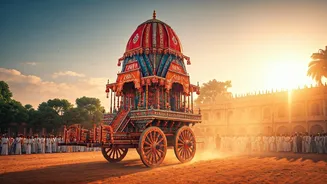
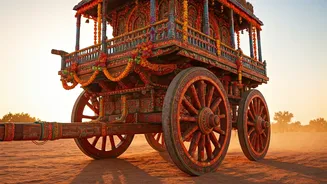
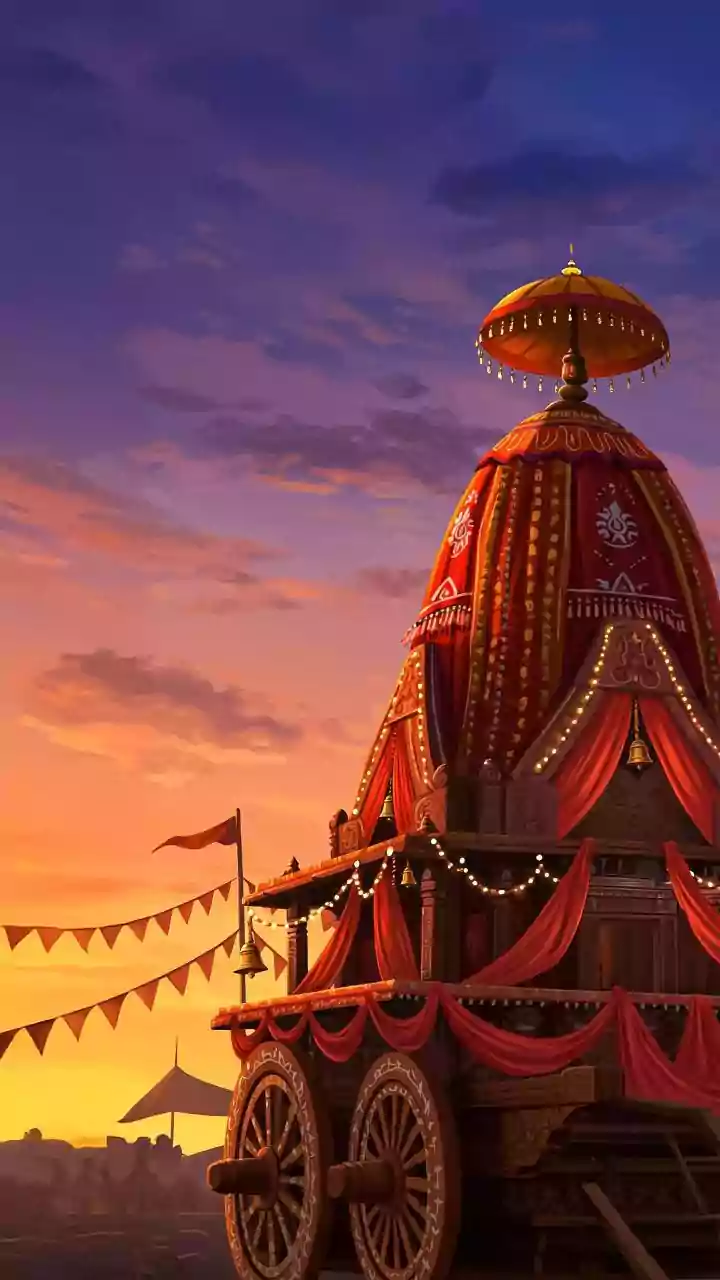
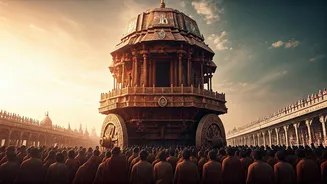
The annual Rath Yatra in Puri, Odisha, is one of the most significant Hindu festivals globally, drawing an estimated 10 to 12 lakh people to the coastal town. Devotees throng the Bada Danda, the Grand Road, to catch a glimpse of Lord Jagannath, Lord Balabhadra,
and Devi Subhadra on their magnificent chariots. This immense congregation creates a demand for accommodation that is unparalleled. For many, simply being present is enough. But for others, the desire for a comfortable, unobstructed view of the procession as it moves from the Jagannath Temple to the Gundicha Temple transforms the Bada Danda into the most coveted real estate in the country for a few days.
Just How High Are The Prices?
During the festival period, particularly for rooms with a balcony overlooking the Grand Road, hotel prices don't just rise; they catapult. Premium hotels and luxury suites that might cost ₹8,000 to ₹15,000 per night during the off-season are reportedly being booked for astronomical sums. Tariffs can skyrocket to anywhere between ₹75,000 and ₹1,50,000 per night. In some cases, hotels offer three-night packages that can run into several lakhs. This year, reports indicate that some premium sea-facing suites, slightly away from the main route but still offering prime access, are commanding prices upwards of ₹50,000 a night, a nearly 300-400% increase from their usual rates. The reason is simple supply and demand: there are only a handful of hotels with a direct, premium view of the chariot path.
What Does a Lakh-Rupee View Get You?
What justifies such a cost? It’s not just a room; it’s an exclusive, front-row ticket to a divine spectacle, experienced in absolute comfort. These luxury packages often include more than just a bed. Guests can expect private balconies where they can watch the chariots pass without being crushed in the crowds, all-inclusive meal plans featuring traditional sattvic food, and personalised service. Some hotels even arrange for priests to explain the rituals and significance of the events as they unfold. For high-net-worth individuals, industrialists, and NRIs who wish to partake in the religious experience without the rigours of navigating the massive crowds, this becomes a viable, albeit costly, option. It's the ultimate blend of pilgrimage and luxury tourism.
The Economics of Pilgrimage Tourism
The phenomenon in Puri is a powerful case study in the booming industry of pilgrimage tourism in India. While faith is the driving force, the economic ecosystem it supports is massive. Hoteliers defend the price hikes as a simple market reality. They have a small window of a few days to maximise revenue for the entire year. Many of these properties see low occupancy during the off-season and rely on the Rath Yatra surge to stay profitable. The ripple effects are felt across the town, with even modest guesthouses and private homes commanding higher-than-usual rents. From transportation providers to food vendors, the entire local economy gets a significant boost from this annual influx of pilgrims and tourists.
Faith for Every Budget
While the headlines focus on the eye-watering prices of luxury suites, it’s crucial to remember that this experience is reserved for a minuscule fraction of attendees. For the vast majority, the Rath Yatra remains an experience of pure, unadulterated devotion. Lakhs of pilgrims arrive with modest means, sleeping in community shelters (dharamshalas), lodges, or even on the beach. They stand for hours under the sun or in the rain, their faith their only comfort. Their reward is not a view from a cushioned balcony but the spiritual connection felt by pulling the sacred ropes of the chariot or simply being in the presence of the divine procession. This contrast highlights the two parallel realities of the modern Rath Yatra: one driven by commerce and comfort, the other by pure, unwavering faith.