


The New Dairy Shelf
Walk through any major grocery store, and you'll see the evidence. Brands are now offering high-protein versions of everyday staples. Amul, a household name, has launched an extensive range including high-protein lassi, buttermilk, milkshakes, and paneer.
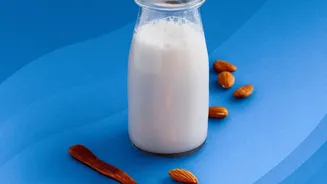
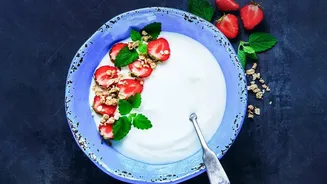
Startups like Epigamia are pushing the boundaries with Greek yogurt tubs containing as much as 50 grams of protein. Other players such as Country Delight and Akshayakalpa Organics are also entering the fray, introducing milk that has been naturally filtered to concentrate its protein content, sometimes offering double or triple the amount found in regular milk. These products are not niche supplements; they are fortified versions of foods that are already central to the Indian diet, making it easier for consumers to boost their protein intake without drastically changing their habits.
Why Protein, Why Now?
This trend is a direct response to a significant nutritional gap and a shift in consumer awareness. Studies indicate that a large portion of the Indian population, estimated at over 70%, is protein-deficient. Traditional diets, while rich in flavour, can often be heavy on carbohydrates and fats, with lower-quality protein sources like cereals making up a large part of the intake. In recent years, however, rising disposable incomes, urbanization, and a greater focus on health and wellness, partly accelerated by the pandemic, have made consumers more proactive about their nutritional choices. People are no longer just seeking taste; they are reading labels and actively looking for functional foods that support goals like muscle building, weight management, and overall vitality. This has created a massive market opportunity, with India's protein market projected to grow significantly, reaching over $2.2 billion by the early 2030s.
The Business of Better Dairy
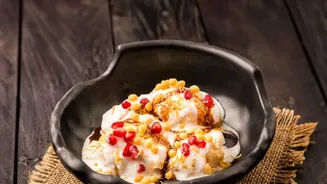
For food companies, this is a strategic move to capture a rapidly growing market segment. The fortified dairy products market in India was valued at over $6 billion in 2025 and is expected to continue its upward trajectory. Dairy holds a unique advantage in this protein revolution. As the world's largest milk producer, India has a deeply entrenched dairy ecosystem. Brands are leveraging this familiarity and trust. By fortifying products that consumers already know and love, companies can lower the barrier to entry. A protein-enriched dahi or lassi feels less intimidating to a new consumer than a tub of whey powder. This strategy allows established giants like Amul and Mother Dairy to innovate within their existing product lines, while also creating space for newer, health-focused brands like Epigamia to build a loyal following. The result is a competitive and dynamic market where everyone is vying to offer the best combination of taste, nutrition, and convenience.
Balancing Taste, Trust, and Price
The path to success isn't without its challenges. The primary hurdle is taste and texture. Fortifying products, especially with whey or casein, can alter the familiar flavour profile that consumers expect from their dairy. Brands are investing heavily in research and development to ensure their high-protein offerings are as delicious as their conventional counterparts. Price is another critical factor. These value-added products often come at a premium compared to regular dairy, and companies must justify the higher cost with clear nutritional benefits. Finally, there's the challenge of consumer education. While awareness is growing, reports show that many consumers are still confused about protein sources and their specific needs. Brands that can effectively communicate the value of their products, bridging the gap between awareness and true understanding, will be the ones that ultimately win the trust of the Indian consumer.