


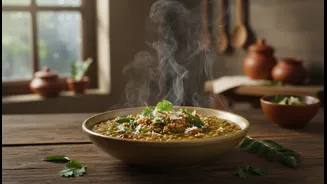
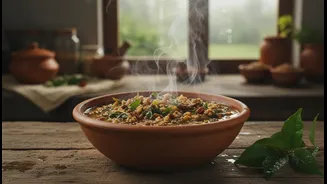
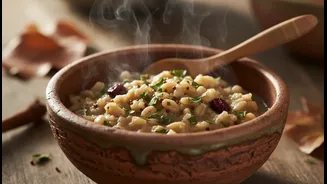


What is Karkidaka Kanji?
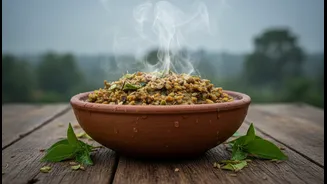
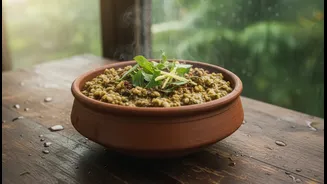
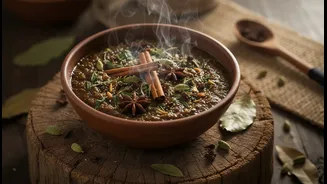
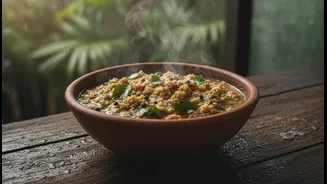
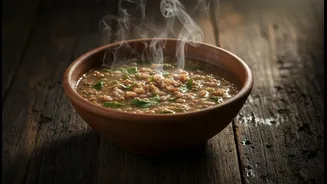
Karkidaka Kanji, also known as Oushadha Kanji (medicinal porridge), is an herb-infused rice gruel traditionally consumed during the Malayalam month of Karkidakam (mid-July to mid-August). This period, marked by heavy rains and high humidity, is considered
a time when the body's digestive fire (Agni) is weak and immunity is low. The porridge acts as a gentle, restorative food that supports the body's natural defences. It is a cornerstone of Varsha Ritucharya, the Ayurvedic regimen for the monsoon, which prescribes warm, light, and easily digestible foods. Typically eaten as a warm evening meal for a period of seven, 14, or 21 days, it's a practice designed to align the body with the season.
The Ayurvedic Wisdom in a Bowl
Ayurveda views the monsoon as a period when the Vata dosha becomes aggravated, leading to issues like joint stiffness, digestive problems, and lowered energy. The humidity and dampness can weaken digestion and make the body more susceptible to infections. Karkidaka Kanji is formulated to counteract these effects. The warming spices like dry ginger and cumin are chosen to rekindle sluggish digestive fire, while the blend of herbs helps in gentle detoxification by clearing Ama (toxins). The entire preparation is designed to be nourishing without overburdening the gut, making it an ideal food for this vulnerable season. It's a prime example of the Ayurvedic principle of food as medicine, or 'Ahara as Aushadha.'
Decoding the 'Oushadha' Pantry
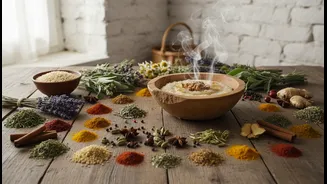
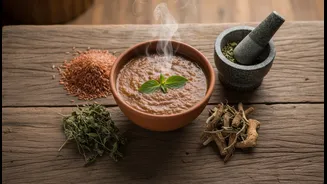
The magic of Karkidaka Kanji lies in its specific ingredients, a masterclass in pantry wisdom. The base is almost always Njavara rice, a medicinal red rice variety from Kerala known for being easy to digest and for its nourishing properties. Key spices include fenugreek (uluva), which is anti-inflammatory; cumin (jeeraka), which aids digestion; and dry ginger (chukku), a primary digestive fire kindler. The most crucial element is the 'oushadha koottu,' or herbal mix. This often includes Dashamoola (a blend of ten medicinal roots) and Dashapushpam (a group of ten sacred flowers), each with properties that support immunity, reduce inflammation, and aid detoxification. While pre-made kits are now widely available, the herbs were traditionally foraged from the local environment just as the rains began.
Questions for the Modern Cook
As this tradition finds its way into modern kitchens, several questions arise. Can you use substitutes? While Njavara is traditional, any easily digestible red rice can work in a pinch. Where can you source the herbs? Many Ayurvedic stores and online retailers now sell 'Karkidaka Kanji Kits' that contain the specific rice and dried herbal mixtures, making preparation accessible. Is it suitable for everyone? The standard kanji is generally safe for all ages, but Ayurvedic practitioners often customize the herbal blend for individuals with specific health conditions like diabetes or arthritis. How do you fit it into a modern lifestyle? Preparing a batch to last a couple of days or having it as a light dinner replacement for a week is a practical way to incorporate this wellness practice. The key is consistency during the monsoon period.
Beyond Kerala: Other Monsoon Porridges
While Karkidaka Kanji is specific to Kerala, the principle of eating warm, nourishing porridges during the monsoon is found across India. In Goa, the rainy season welcomes 'Tizaan,' a comforting porridge made from ragi (finger millet), coconut milk, and earthy palm jaggery. Maharashtra has 'Pithla,' a savoury and quick porridge made from gram flour, often eaten with jowar or bajra bhakri. Further south, 'Kambu Koozh' or pearl millet porridge is a traditional monsoon meal, known for being gut-friendly and nourishing. These regional variations all follow a similar logic: using local grains and spices to create meals that are warming, easy to digest, and fortifying during a season that challenges the body.