






Beyond the Snooze Button
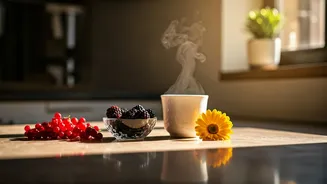
Forget the jarring alarm and the hurried gulp of tea. The new Indian morning is a carefully curated experience. It begins not with a rush, but with a ritual. Picture this: sunlight streaming through a window, the gentle scrape of a copper tongue cleaner,
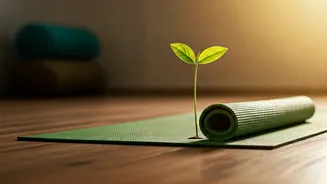
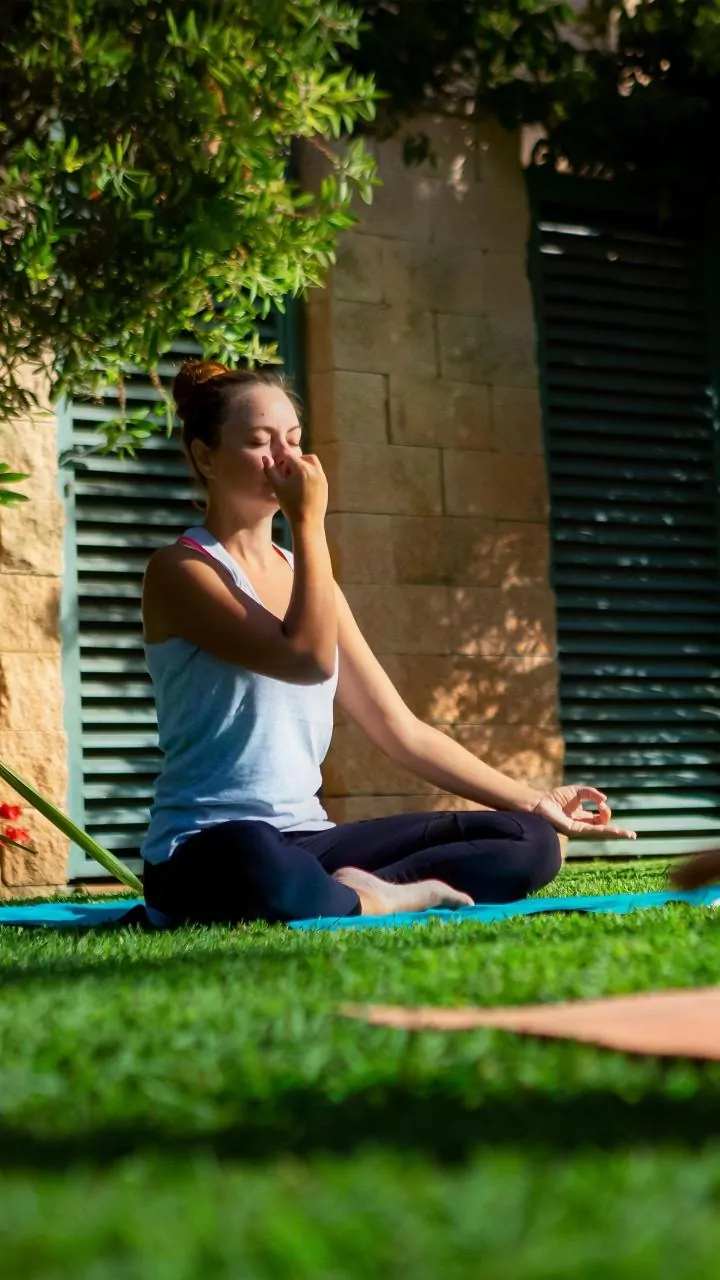
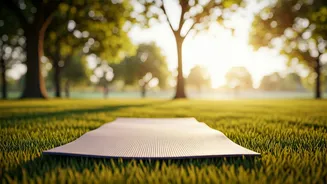
a few moments of quiet meditation or pranayama, and the mindful practice of yoga as the world slowly wakes up. It’s less about a rigid, punishing schedule and more about creating a personal sanctuary in the first hours of the day. This isn't just about being ‘healthy’ in the clinical sense; it’s about feeling grounded, clear, and connected. The focus has shifted from productivity hacks to soul-nourishing practices that set a positive tone for the rest of the day, making the morning a destination in itself, rather than just a runway to work.
A Post-Pandemic Shift
Much of this cultural shift can be traced back to the global pause brought on by the pandemic. Confined to our homes, many of us were forced to confront our frantic lifestyles and their impact on our mental and physical health. The ‘hustle culture’ that glorified burnout began to lose its sheen. In its place grew a deep-seated desire for balance, immunity, and mental peace. Mornings, once a chaotic transit zone, became the only part of the day that truly felt our own. This period of reflection allowed for a mass re-evaluation of priorities. Health was no longer an afterthought but the very foundation of a good life. This collective consciousness has lingered, embedding itself into our daily routines as a powerful form of self-care and a quiet rebellion against the relentless pace of modern life.
Rediscovering Ancient Wisdom
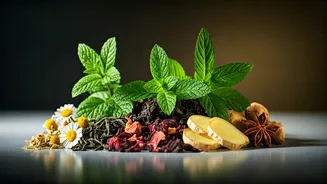
What makes this trend particularly resonant in India is that it’s not an imported wellness fad, but a homecoming. Many of these romanticised rituals are rooted in centuries-old Indian traditions. Practices like oil pulling (gandusha), drinking warm water with lemon, and applying Ayurvedic principles to our diet are being rediscovered and adapted for the 21st century. Yoga and meditation, once seen by some as disciplines for an older generation, are now embraced by millennials and Gen Z. This revival is fueled by a renewed pride in our heritage and the realisation that ancient texts offered profound wisdom on holistic living long before the modern wellness industry existed. It's a beautiful synthesis of looking inward to our roots while using modern platforms to share and celebrate it.
The Social Media Aesthetic
Of course, we cannot ignore the role of social media in amplifying this trend. Instagram and Pinterest are filled with aesthetically pleasing images of sun-drenched yoga poses, artfully arranged breakfast bowls of poha or fruit, and serene journaling sessions. This visual culture has undoubtedly inspired many to adopt healthier habits. However, it also walks a fine line between authentic wellness and performative well-being. The pressure to have the ‘perfect’ morning routine can sometimes create more anxiety. The key, as many are discovering, is to draw inspiration from these platforms but tailor the practices to one's own life, free from the need for external validation. The real romance is found not in the perfect photo, but in the imperfect, personal, and consistent effort to honour one's well-being.
From Mindful Eating to Mindful Living
This morning renaissance extends deeply into our kitchens. The quick slice of toast is making way for traditional, nutrient-dense breakfasts. Think warm bowls of dalia, soft idlis, millet dosas, and vegetable-packed upma. There’s a conscious move towards seasonal, local, and minimally processed foods. The act of preparing and eating breakfast is becoming a mindful practice, a stark contrast to eating while scrolling through emails. This shift reflects a broader understanding that wellness is holistic—it’s about what we consume, how we move, and the state of our mind. By starting the day with a nourishing meal, we are not just feeding our bodies; we are reinforcing a commitment to ourselves that ripples throughout the day.