
A National Health Concern
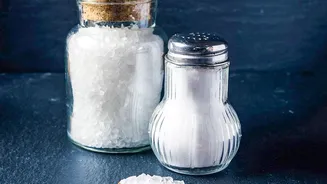
Across India, daily salt consumption is estimated to be between 8 to 11 grams per person, far exceeding the World Health Organization's recommended limit of 5 grams. This high sodium intake is a primary driver of hypertension, or high blood pressure,
a condition affecting more than one in four adults in the country. Hypertension is often called a 'silent killer' because it typically has no symptoms, but significantly increases the risk of life-threatening cardiovascular diseases like heart attacks and strokes, which are among the leading causes of death in India. Experts believe that since nearly 80% of sodium intake comes from salt added during cooking at home, household-level interventions could have the most significant impact.
The Proposed Solution: Low-Sodium Salt
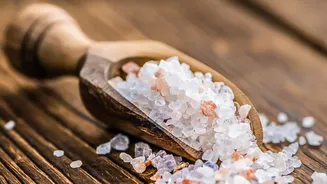
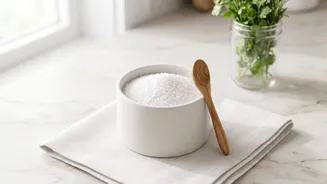
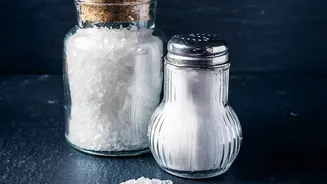
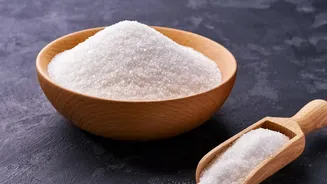
In response to this public health challenge, a consensus of leading Indian medical experts, researchers, and public health bodies are recommending a nationwide shift to potassium-enriched low-sodium salt substitutes (LSSS). These are not entirely different products but reformulated versions of regular table salt. Typically, they replace about 15-30% of the sodium chloride with potassium chloride. This simple switch serves a dual purpose: it reduces the intake of harmful sodium while increasing the consumption of potassium, a mineral that helps counteract the effects of sodium and lower blood pressure. Proponents refer to it as a 'dietary vaccine'—a passive intervention that could offer continuous cardiovascular protection without asking people to sacrifice the taste of their food.
The Hurdle of Availability
Despite the clear health benefits, one of the biggest challenges is simply finding low-sodium salt on store shelves. Formative research conducted in parts of North and South India revealed that awareness of LSSS is very low among consumers. This lack of awareness leads to low demand, giving retailers little incentive to stock the product. While urban retailers might know about LSSS, they report that it doesn't sell, creating a classic chicken-and-egg problem: availability is low because demand is low, and demand is low because people aren't aware the product exists or don't see it in their local shops. For the proposal to be effective, a concerted effort is needed to integrate LSSS into the national supply chain, making it as ubiquitous as regular iodized salt.
The Major Barrier of Cost
Even if low-sodium salt were widely available, its price remains a significant obstacle for the average Indian household. Studies and consumer feedback consistently highlight that LSSS options are more expensive—sometimes nearly double the price of regular salt. For a daily essential, this price difference is a major deterrent for widespread adoption, especially for lower-income families. Many consumers have suggested that a government subsidy would be necessary to offset the higher cost and make the healthier option economically viable. Without addressing the affordability gap, the switch to LSSS could remain a niche choice for the affluent rather than a population-wide public health victory.
What Happens Next?
Experts have recommended a multi-pronged approach to overcome these barriers. This includes policy changes, such as having the Food Safety and Standards Authority of India (FSSAI) officially recognise potassium-enriched salt as a standard 'edible salt' category and updating labelling guidelines. There are also calls for the government to lead by example, using LSSS in large-scale food programs like mid-day meals, and for the food industry to begin reformulating packaged products. While LSSS is considered safe for the general population, clear labelling would be required to advise individuals with advanced kidney disease or other specific conditions to consult a doctor, as they may need to monitor their potassium intake. The path forward requires a coordinated effort between policymakers, manufacturers, and public health advocates.