
Why Monsoon Demands Extra Grooming
While you might be tempted to bathe your pet less often to avoid the hassle of drying, the monsoon is precisely the time to increase grooming frequency, if not bathing. High humidity means a wet coat can stay damp for hours, creating an ideal breeding
ground for bacteria and fungi. This can lead to common issues like hot spots (acute moist dermatitis), yeast infections, and bacterial pyoderma. Regular brushing and checks become your first line of defense, helping you spot the subtle signs of trouble before they escalate into painful conditions for your pet. A proactive routine is not just about cleanliness; it's a crucial health monitoring tool.
A Daily Paw Check Is Non-Negotiable
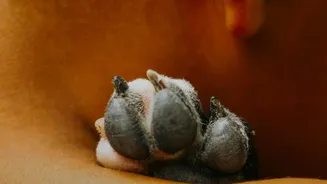
Your pet’s paws are on the front line, constantly in contact with muddy ground, stagnant puddles, and contaminated surfaces. These puddles can harbor harmful bacteria like Leptospira, which can cause serious illness. After every single walk, no matter how short, it is essential to clean and thoroughly dry your pet's paws. Pay special attention to the areas between the toes, where moisture loves to hide and cause fungal infections. Look for any signs of redness, swelling, or excessive licking, which can indicate an interdigital infection. Using a soft towel and lukewarm water is often enough, but for extra dirty paws, a mild, pet-safe cleanser can be used.
Keeping the Coat and Skin Healthy
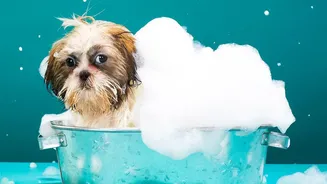
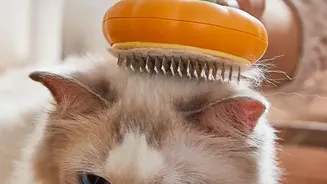
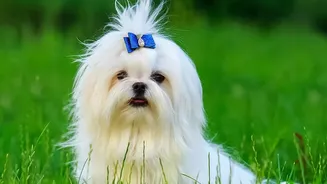
A damp coat is more than just a smelly nuisance; it’s a health hazard. Fungal infections like ringworm and yeast dermatitis thrive in the warm, moist environment of a perpetually wet undercoat. Daily brushing is essential to remove loose fur, detangle knots that trap moisture, and improve air circulation to the skin. For long-haired breeds, this is especially critical. When you do bathe your pet, use a vet-approved antifungal or antibacterial shampoo as a preventive measure. The most crucial step, however, is drying. A quick towel-down is not enough; for thicker coats, you may need a pet-friendly hairdryer on a low, cool setting to ensure the fur is completely dry right down to the skin.
Don't Overlook the Ears and Folds
Any area on your pet that traps moisture is a potential trouble spot during the monsoon. Floppy-eared breeds like Beagles and Cocker Spaniels are particularly prone to ear infections. The ear canal becomes a warm, dark, and damp haven for yeast and bacteria. Check their ears daily for any unpleasant, musty odor, redness, or dark, waxy discharge. Clean the outer ear regularly with a soft cloth or a vet-recommended solution. Similarly, breeds with skin folds, like Pugs and Bulldogs, need those folds to be gently cleaned and dried to prevent irritation and infection.
Your Essential Monsoon Grooming Kit
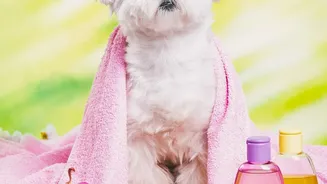
Being prepared can make your daily routine much easier. Your monsoon toolkit should include a few key items. Highly absorbent microfiber towels are a must for effective drying. A good quality brush or comb suited to your pet's coat type is essential for daily grooming. Consider keeping pet-safe antiseptic wipes or a paw cleanser near the door for quick clean-ups after walks. An antifungal powder can be useful to apply to paws and underarms after drying. Finally, having a vet-approved antiseptic or paw balm on hand can help soothe minor irritations before they worsen.