



Beyond the Bag: What Defines a Luxury Dal?
For generations, dal has been the ultimate comfort food, a reliable staple in every household. But the conversation is shifting from a generic pulse to something more specific and nuanced. The new luxury trend isn't about exorbitant pricing but about a return
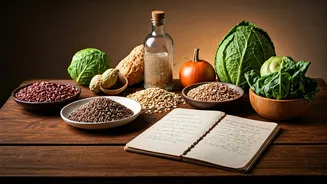
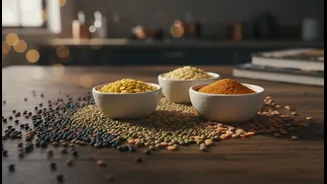
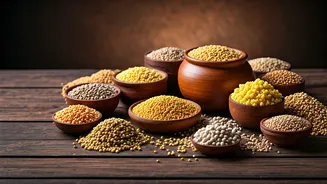
to authenticity. It champions lentils that are unpolished, grown from native heirloom seeds, and often sourced from a single farm or region. Unlike their mass-produced, polished counterparts, these heritage dals retain their natural fibre, minerals, and, most importantly, their distinct flavour. Brands are now highlighting the 'desi' or native origins of their pulses, celebrating varieties that have been cultivated for generations but were sidelined by high-yield hybrids. This movement values the story behind the food—the soil it grew in, the farmers who cultivated it, and the traditional methods used to process it.
A Taste of the Land
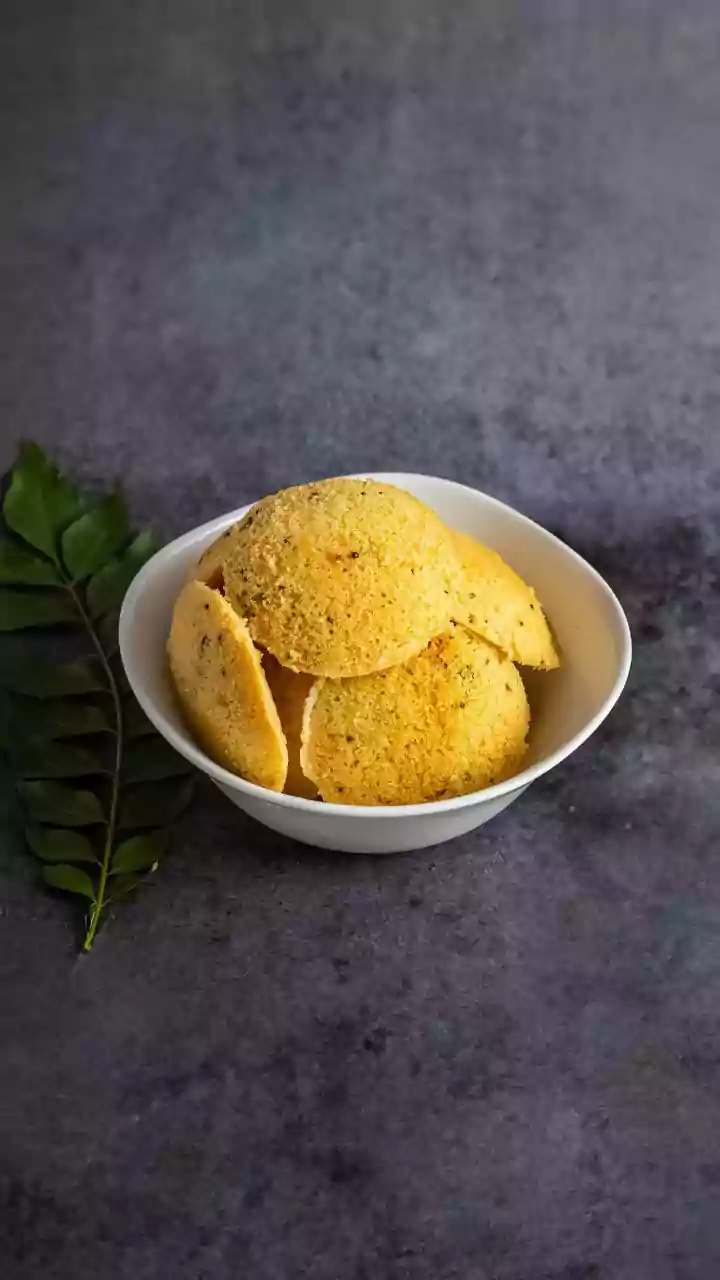
Just like wine or coffee, these lentils carry the unique characteristics of their growing region, a concept known as terroir. A toor dal from Latur, for instance, might offer a different flavour profile than one grown in another region. This new appreciation means consumers are discovering a diverse world of pulses beyond the standard varieties. You might find Desi Urad Dal, prized for its creaminess and superior fermentation qualities in idli and dosa batters, or Desi Masoor, which offers a subtle, earthy sweetness. These are not your average, quick-cooking lentils; they are celebrated for developing a richer consistency and absorbing spices more deeply, resulting in a more aromatic and satisfying dish. This focus on origin allows home cooks and chefs alike to explore the subtle yet significant differences that soil, climate, and farming practices impart.
Driven by Health and Heritage
Two major forces are fueling this trend: a growing consciousness around health and a desire to reconnect with culinary roots. Modern consumers are increasingly wary of heavily processed foods. Unpolished dals, which retain their natural bran layer, are higher in dietary fibre and essential nutrients like iron and potassium. This aligns with a broader wellness movement that prioritizes whole, natural ingredients. Simultaneously, there's a nostalgic pull towards the foods of our grandparents' generation. These heirloom dals represent a tangible link to a rich agricultural heritage that dates back to the Indus Valley Civilization. By choosing these varieties, consumers are not just making a dietary choice; they are participating in the revival of traditional crops and supporting small-scale farmers who use sustainable, chemical-free cultivation practices.
From Niche Markets to Mainstream Menus
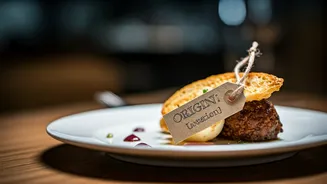
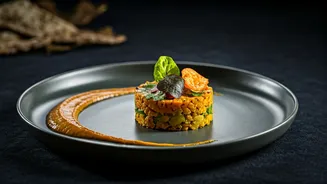
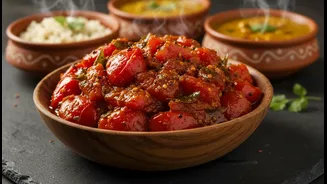
What started in niche organic stores and farmers' markets is now gaining mainstream traction. A growing number of artisanal brands are making these premium pulses available online, complete with detailed notes on their origin and unique qualities. High-end restaurants are also embracing the movement, placing once-humble ingredients at the forefront of their menus. A simple dal tadka, when made with a single-origin heirloom lentil, becomes a showcase of flavour and tradition. Chefs are finding that these superior pulses don't require heavy spicing to shine, allowing the natural, earthy notes of the lentil to take centre stage. This trend is a testament to the fact that luxury in food is increasingly being defined not by rarity or price, but by purity, flavour, and a connection to the land.