



Recognising the Golden Years
Just like humans, pets show signs of ageing that go beyond a few grey hairs around the muzzle. A pet is generally considered 'senior' between the ages of seven and ten, though this varies by breed and size, with larger dogs ageing faster. You might notice
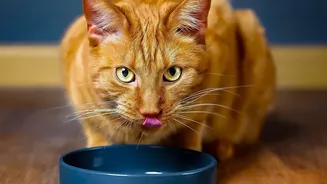
your once-energetic companion slowing down, sleeping more, or showing less interest in long walks. For cats, signs can be subtle, such as reduced grooming, changes in appetite, or more meowing at night. These aren't signs of them being difficult; they are signals that their bodies and needs are changing. Recognising these cues early is the first step in helping them age gracefully and comfortably.
Adjusting Exercise: Less Can Be More
While your senior pet may not be up for a long run, regular, gentle exercise is vital for their health. It helps maintain muscle tone, keeps joints from getting too stiff, and prevents obesity. The key is to switch from high-intensity activities to shorter, more frequent, low-impact ones. Instead of one long walk, consider two or three shorter, leisurely strolls. Let them sniff and explore at their own pace; this provides mental stimulation as well. Swimming is another excellent option as it's easy on the joints. Pay close attention to your pet's cues. If they seem tired, sore, or are panting heavily, it's time to stop. The goal is to keep them moving comfortably, not to push them to their limits.
Keeping Their Minds Sharp
Physical health is only one part of the equation; mental enrichment is just as crucial for a senior pet. An active mind can help slow cognitive decline, which can manifest as confusion or anxiety. You don't need complex gadgets. Simple activities like food puzzles, which make them work for their treats, can be very engaging. Scent games, where you hide treats around a room for them to find, tap into their natural instincts. For cats, even a cardboard box or a paper bag can provide hours of exploratory fun. Rotating their toys can also make old ones feel new again. Short, gentle training sessions for simple tricks also provide great mental exercise and strengthen your bond.
The Comforts of Home
Providing 'more support' often means making small but significant adjustments to your home. As pets age, they may develop arthritis or have trouble regulating their body temperature. An orthopedic or memory foam bed can provide immense relief for sore joints. If you have tile or hardwood floors, adding non-slip rugs or yoga mats can prevent dangerous falls. Ramps or pet stairs can help your furry friend continue to access their favourite spots, like the couch or your bed, without the strain of jumping. Elevating food and water bowls can also make mealtimes more comfortable by reducing strain on their neck and back.
Watch for Signs and Seek Advice
As a pet owner, you know your companion best. Paying close attention to changes in their behaviour is key. While some slowing down is normal, certain signs warrant a trip to the veterinarian. These include a sudden loss of appetite, difficulty getting up, confusion, or significant changes in bathroom habits. Regular vet check-ups, ideally twice a year for seniors, are essential for catching and managing age-related health issues like arthritis, kidney disease, or dental problems. Your vet can provide tailored advice on diet, pain management, and appropriate exercise levels. Don't hesitate to discuss any concerns you have; proactive care is the best way to support your pet.