


The Silent Killer in Your Pots
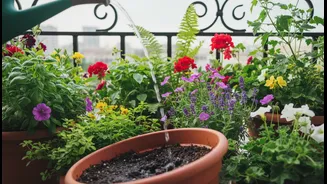
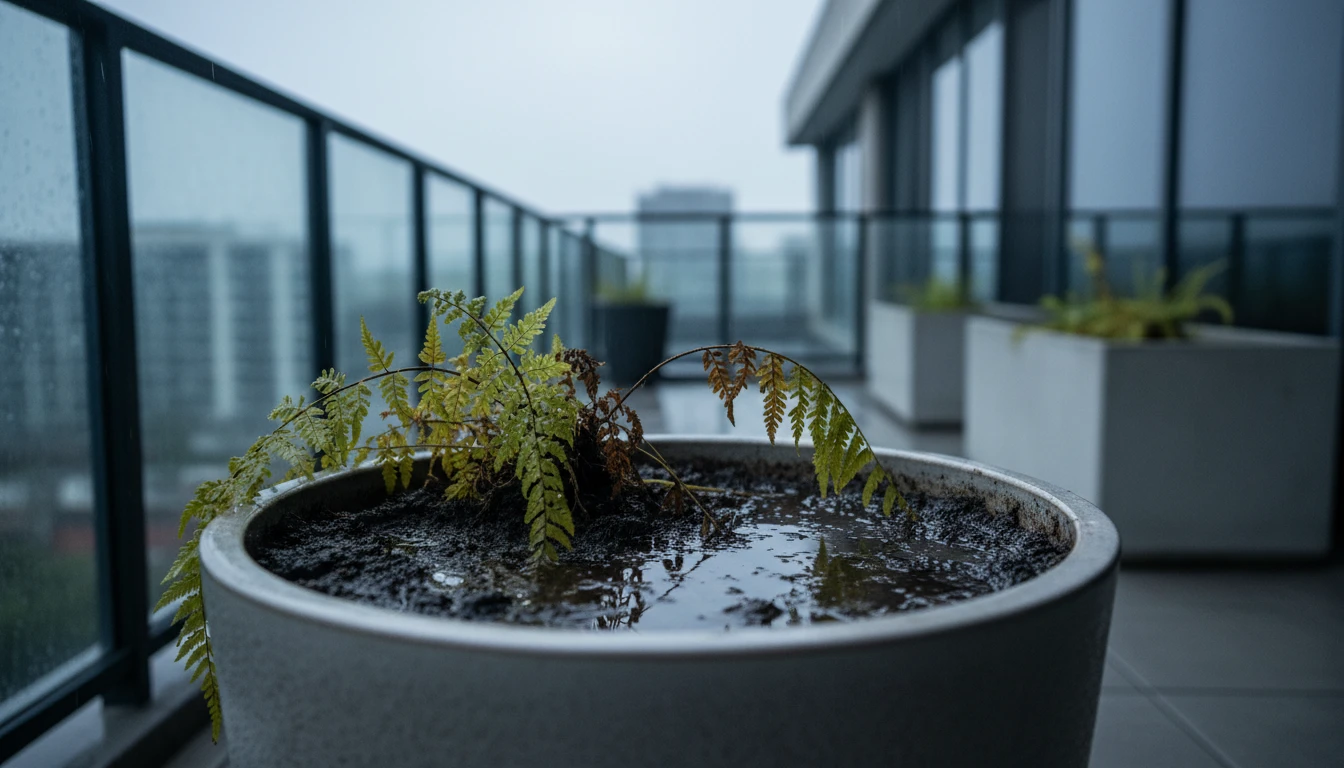
Waterlogging happens when a pot's soil becomes completely saturated, pushing out the air pockets roots need to breathe. Without oxygen, roots essentially drown, leading to root rot. Signs of trouble include yellowing leaves, stunted growth, and a sour
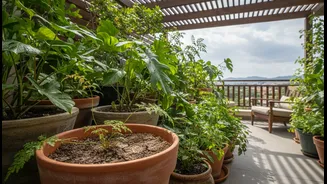
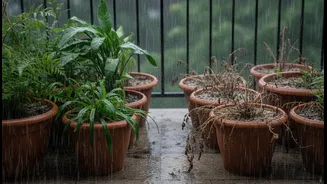
or swampy smell coming from the soil. In a contained environment like a pot, especially one exposed to rain on a balcony, poor drainage is a very common problem. Excess water has nowhere to go, creating a boggy environment that is fatal for most plants.
Debunking the Gravel Myth
For years, the go-to advice was to add a layer of gravel or broken pot shards to the bottom of a planter. Intuitively, this seems like it would create space for water to collect. However, horticultural science shows this can actually make things worse. Water does not move easily from a fine-textured material (like soil) to a coarse-textured one (like gravel). Instead of draining through, the water pools in the soil just above the gravel layer, creating what is known as a 'perched water table'. This raises the saturated zone, bringing it closer to your plant's delicate roots and reducing the total volume of healthy soil available.
Fix 1: Supercharge Your Soil Mix
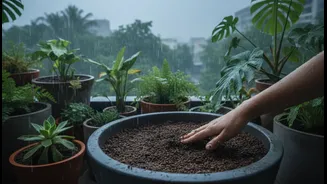
The single most effective way to improve drainage is to modify the soil itself. The goal is to increase aeration throughout the entire pot. You can easily do this by mixing coarse materials into your regular potting compost. Perlite, pumice, and vermiculite are excellent, low-cost options available at any garden centre. These lightweight volcanic materials create tiny air gaps in the soil, allowing water to flow through more freely while still retaining enough moisture for the plant. As a general rule, a mix of about three parts potting soil to one part perlite or pumice is a great starting point for most balcony plants.
Fix 2: Master the Drainage Hole
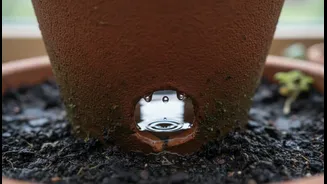
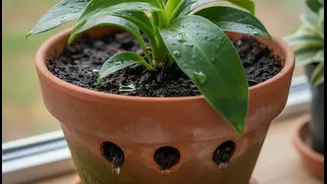
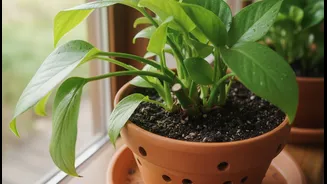
It sounds obvious, but many decorative pots come with only a single, tiny drainage hole or none at all. This is a primary cause of waterlogging. Check the bottom of your pots; if they lack sufficient drainage, it's time for a little DIY. For plastic pots, you can easily add more holes using a standard drill or even carefully with a sharp pair of scissors or a heated nail. For terracotta or unglazed ceramic, a masonry drill bit is required. For glazed ceramic pots, a diamond-tipped bit is the safest option to avoid cracking. Always drill slowly and with minimal pressure. Having multiple, well-spaced holes is far more effective than one central one.
Fix 3: Elevate for Free Flow
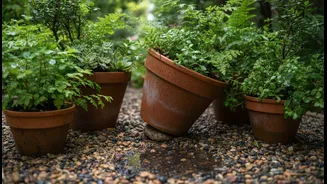
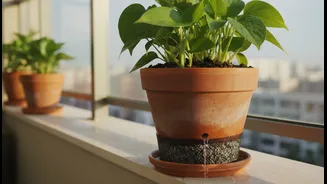
Even a pot with plenty of drainage holes can get waterlogged if it sits flat on a solid balcony floor. The holes can easily become blocked, preventing water from escaping. The solution is simple: elevate your pots. While you can buy purpose-made 'pot feet', you can achieve the same result for free using items from around your home. Plastic bottle caps, old wine corks, or even a few flat stones or leftover tiles placed under the pot will lift it just enough to allow air to circulate and water to drain away freely. This simple trick ensures your drainage holes can actually do their job.