




The Gut-Health Power Hidden in Peels
Before you start preserving, it's helpful to know why citrus peels are so beneficial. The real magic lies in two key components: pectin and flavonoids. Pectin is a type of soluble fiber that acts as a prebiotic, meaning it feeds the good bacteria in your
gut. A healthy gut microbiome supported by prebiotics can lead to better digestion, reduced inflammation, and a stronger intestinal lining. Flavonoids, such as hesperidin and naringin, are powerful antioxidants found in the peel that also help reduce inflammation and support a balanced gut environment. Essentially, by using the peel, you are unlocking a potent source of fiber and antioxidants that are often discarded.
A Note on Sourcing and Safety
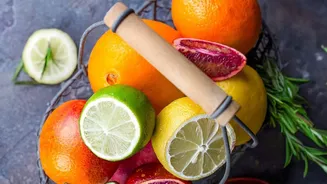
Since you'll be consuming the peel, where pesticides and waxes are most concentrated, it’s best to use organic and unwaxed citrus. If you can't find organic, give your fruit a thorough cleaning. A good method is to scrub the fruit under warm running water with a produce brush. For a deeper clean, you can soak the citrus in a solution of water and baking soda for 10-15 minutes, which has been shown to be effective at breaking down certain pesticide residues. Always wash and dry your fruit before you begin.
Hack 1: Make Candied Citrus Peel
Candied peel is a classic confection that turns a bitter rind into a sweet, chewy treat. While traditionally high in sugar, you can control the amount you use at home. Simply slice peels into thin strips, removing as much of the white pith as possible to reduce bitterness. Boil the peels in water for about 15-20 minutes and drain; repeating this step two or three times can further reduce bitterness. Then, simmer the blanched peels in a simple syrup (a mixture of sugar and water) for about 40 to 60 minutes, until they become translucent. Once cooled and dried, these fiber-rich morsels can be eaten as a snack, added to baked goods, or used as a cocktail garnish.
Hack 2: Create Versatile Citrus Powder
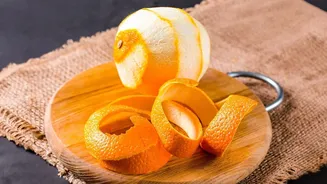
For a sugar-free option, citrus powder is incredibly versatile. Start by peeling your citrus, trying to take only the colored zest and leave the white pith behind. Lay the peels in a single layer on a baking sheet or dehydrator tray. You can air-dry them in a warm, dry spot for several days, or speed up the process by using a dehydrator or an oven set to its lowest temperature (around 200°F or 95°C) until they are brittle and completely dry. Once dried, simply grind them into a fine powder using a coffee or spice grinder. This powder can be added to smoothies, yogurt, oatmeal, salad dressings, and teas for a boost of flavor and fiber.
Hack 3: Whip Up a Zesty Citrus Salt
Citrus-infused salt is a gourmet finishing touch you can make in minutes. Zest your clean citrus fruits and mix the fresh zest with a coarse sea salt. A good ratio to start with is one part zest to one part salt. You can use it fresh, or for a longer shelf life, spread the mixture on a baking sheet and bake at a low temperature (around 250°F or 120°C) for about 15 minutes, until the zest is dehydrated. This flavorful salt is perfect for sprinkling over vegetables, avocado toast, fish, or even the rim of a cocktail glass.
Hack 4: Infuse Tea with Fresh or Dried Peels
One of the simplest ways to use citrus peels is to make a fragrant tea. You can use either fresh or dried peels. Simply add a few strips of peel to a cup of hot water and let it steep for 5 to 10 minutes. For a stronger infusion, you can simmer the peels in water on the stove for an hour. The hot water helps release the beneficial essential oils, flavonoids, and soluble fibers. This creates a soothing, digestive-supporting beverage that you can enjoy any time of day.