






The City That Never Cools
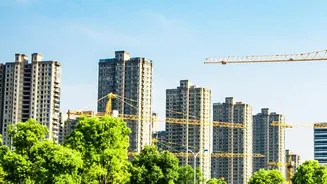
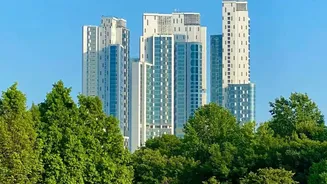
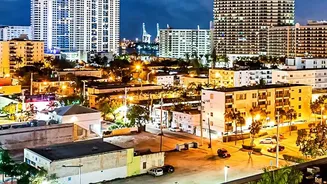
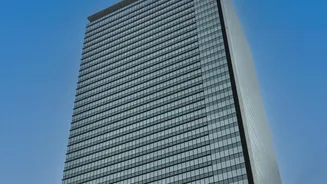
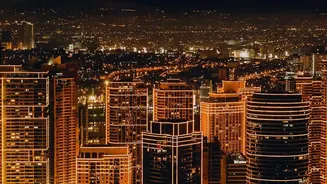
In rural areas, temperatures drop significantly after sunset, allowing for natural cooling. But in cities, a phenomenon known as the 'Urban Heat Island' (UHI) effect takes hold. Concrete buildings, asphalt roads, and other man-made surfaces spend all day
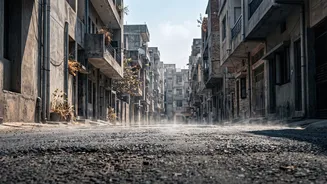
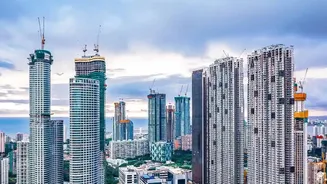
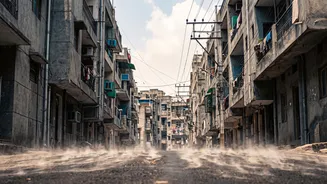
absorbing solar radiation, acting like giant thermal batteries. After the sun goes down, they begin to slowly release this stored heat back into the environment. This process means that urban centres can remain several degrees warmer than their surrounding countryside, particularly at night. The dense layout of modern cities, with tall buildings creating 'street canyons', further traps this radiated heat, preventing it from escaping into the upper atmosphere.
Why Warm Nights Disrupt Our Sleep
The human body is hardwired to cool down in the evening to prepare for sleep. A slight drop in our core body temperature is a crucial biological signal to initiate and maintain deep, restorative sleep. However, when the ambient temperature of your bedroom remains high, your body struggles to shed this excess heat. Your heart has to work harder, pumping more blood to the skin to try and cool down. This physiological stress can delay sleep onset, cause more frequent awakenings throughout the night, and reduce the time spent in the most critical stages of sleep, like REM and deep sleep. Even modest nighttime warming has been shown to shorten and fragment sleep, preventing the crucial psychophysiological recovery that is supposed to happen overnight.
The Cumulative Toll of Sleeplessness
One or two bad nights of sleep might just leave you feeling groggy. But when warm nights persist, as they do during heatwaves in cities like Delhi, Mumbai, and Chennai, the effects accumulate. This loss of restorative sleep is not benign. It erodes psychological and physiological resilience, making you less tolerant to heat the following day and more prone to irritability and anxiety. This cumulative sleep debt leads to a state of chronic fatigue, often described as brain fog, morning headaches, and a pervasive feeling of exhaustion. For many urban dwellers, this has become a new normal, a constant battle against tiredness that starts the moment they wake up.
From a Tired Morning to a Wasted Workday
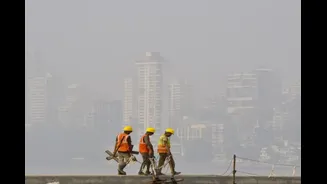
The consequences of this urban-induced sleep deprivation extend directly into the workplace. Impaired cognitive function, reduced concentration, and poor memory recall are well-documented results of inadequate sleep. When workers are exposed to extended heat stress, their skills and productivity are affected. Studies show that outdoor working capacity can decrease significantly due to extreme heat, and that even indoor workers are affected. The daily exhaustion triggered by poor night rest leads to a measurable drop in productivity, an increase in errors, and a higher risk of workplace accidents. This creates a vicious cycle where a city's design impairs its residents' rest, which in turn hampers the economic and social productivity of the city itself.
Rethinking Our Urban Spaces
Tackling this problem requires a fundamental rethink of how we build our cities. Strategies to mitigate the Urban Heat Island effect focus on reintroducing elements that cool the environment naturally. Increasing green cover by planting more trees and creating parks provides shade and cools the air through evapotranspiration. 'Cool roofs', which are painted with reflective materials to bounce sunlight back, can significantly reduce the heat absorbed by buildings. Better urban planning that promotes airflow through ventilation corridors can also help dissipate trapped heat. On a personal level, using blackout curtains to block daytime sun and taking a lukewarm bath before bed can help manage indoor temperatures and promote better rest.