



Fresh Dust from a Younger Moon
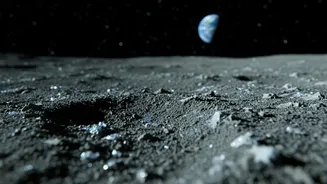
For nearly half a century, our entire physical knowledge of the Moon was based on the samples returned by the Apollo and Soviet Luna missions. While groundbreaking, these samples came from older regions of the lunar surface. Recent missions, particularly
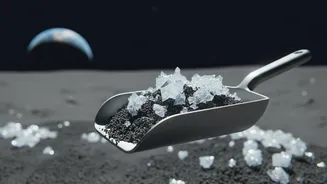
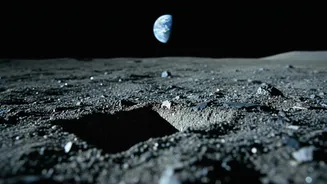
China's Chang'e-5 and Chang'e-6, have delivered a new trove of material from much younger volcanic areas. Analysis has confirmed that volcanic activity on the Moon continued until about 2 billion years ago, much more recently than previously thought. These younger samples, collected from a different geological time and location, provide a fresh perspective on the Moon's evolution and composition, acting as a crucial new reference point for lunar science.
Finding Water in Unexpected Places
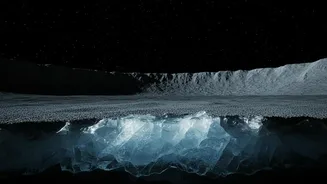
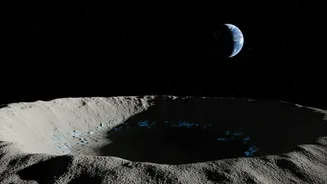
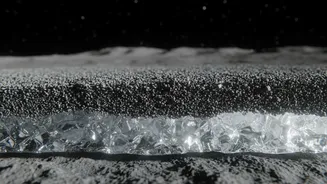
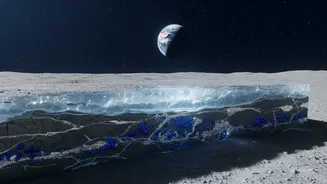
One of the most significant revelations from recent sample analysis is a deeper understanding of lunar water. Scientists have long theorized that hydrogen ions from the solar wind bombard the lunar surface, reacting with oxygen in the soil to form water (H2O) and hydroxyl (OH). Analysis of the Chang'e-5 samples confirmed this process, finding evidence of solar wind-derived water embedded in the soil grains. This discovery is a game-changer. It suggests that water isn't just trapped as ice in permanently shadowed craters at the poles but is likely widespread across the lunar surface, created and stored within the very soil. This form of water, accessible in sunlit areas, could be extracted and used for life support and, critically, split into hydrogen and oxygen to produce rocket propellant, making the Moon a true refuelling station for deeper space exploration.
A Fuel Source for the Future
Beyond water, the lunar soil holds the promise of clean energy. The same solar wind that delivers hydrogen also implants another valuable resource: Helium-3. This light isotope of helium is exceedingly rare on Earth but is abundant on the Moon, having accumulated in the regolith over billions of years. Helium-3 is considered a prime fuel for future nuclear fusion reactors, which could provide vast amounts of clean, safe energy. Chinese scientists studying the Chang'e-5 samples were the first to directly measure the concentration of Helium-3 in fresh lunar soil and determine the optimal temperatures for extracting it. With estimates suggesting the Moon holds at least a million tons of the substance, mastering its extraction could solve humanity's energy needs for centuries to come and power future lunar settlements.
Building Blocks for a Lunar Colony
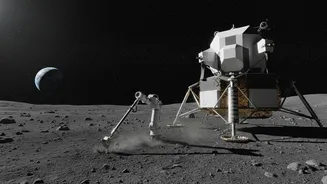
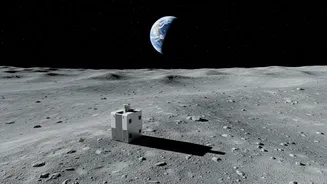
Establishing a permanent human presence on the Moon means building habitats, landing pads, and roads. The cost of launching materials from Earth is astronomical, making in-situ resource utilization (ISRU) — using what's already there — essential. Lunar soil, or regolith, is the perfect candidate for a local building material. Researchers are experimenting with various techniques, from 3D printing structures by melting the soil with lasers to creating a form of concrete, sometimes called 'lunarcrete'. This involves mixing regolith with binders or simply sintering it into solid blocks. By analyzing the precise physical and chemical properties of the new soil samples, scientists can optimize these construction techniques, ensuring the resulting structures are strong enough to protect astronauts from radiation and micrometeoroid impacts.
A Blueprint for Global Ambition
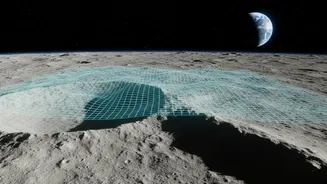
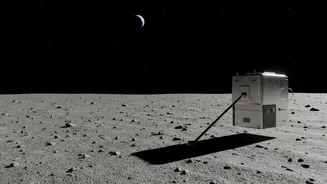
The insights gained from these new samples benefit all space-faring nations. As countries like India forge ahead with their own lunar ambitions, such as the Chandrayaan program, this growing body of knowledge is invaluable. Understanding the distribution of water ice, the composition of the regolith, and the availability of resources like Helium-3 informs the design of future landers, rovers, and potential settlement sites. The recent Chinese missions have not only provided new samples but also helped create a more detailed geological map of the entire Moon, a resource that will guide exploration for decades. This collaborative, cumulative approach to science ensures that each new discovery helps pave the way for humanity's collective return to the Moon and the establishment of a sustainable off-world presence.