



Spotting the Subtle Signs
The most dangerous water damage is often the kind you cannot see immediately. While a puddle on the floor is obvious, hidden moisture makes its presence known in more subtle ways. One of the first clues is a persistent musty or earthy smell, especially
in basements, bathrooms, or closets. This odour is a byproduct of mould and bacteria feeding on damp materials like wood and drywall. You should also look for visual cues. Stains or discoloration on walls and ceilings, often appearing as brown or yellow marks, can indicate water pooling behind the surface. Other tell-tale signs include paint that is bubbling, peeling, or cracking, and wallpaper that has started to lift at the edges. Pay attention to your floors as well; hardwood that begins to warp or buckle, or any flooring that feels soft underfoot, can signal moisture trapped underneath.
Why Dampness Is a Deeper Danger
Excess moisture is more than just an inconvenience; it poses significant risks to both your property and your health. Structurally, prolonged exposure to water can be devastating. It causes wood to rot, metal to rust, and can weaken your home's foundation and framing. This can compromise the building's integrity, leading to sagging ceilings, warped floors, and weakened walls that could eventually buckle or collapse. Beyond the structure, damp environments are a perfect breeding ground for mould, which can begin to grow within just 24 to 48 hours of water exposure. Mould releases spores into the air that can trigger a host of health issues, including allergies, asthma attacks, coughing, wheezing, and irritation of the eyes, nose, and throat. For people with compromised immune systems or chronic lung diseases, the effects can be even more severe. The World Health Organization has linked indoor dampness and mould to a significant increase in respiratory problems.
Immediate Steps to Dry Out Your Home
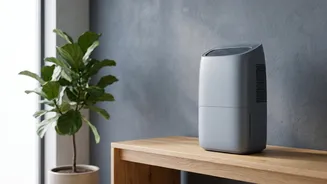
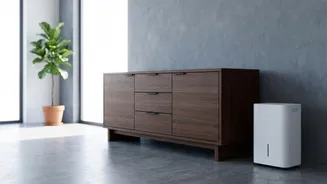
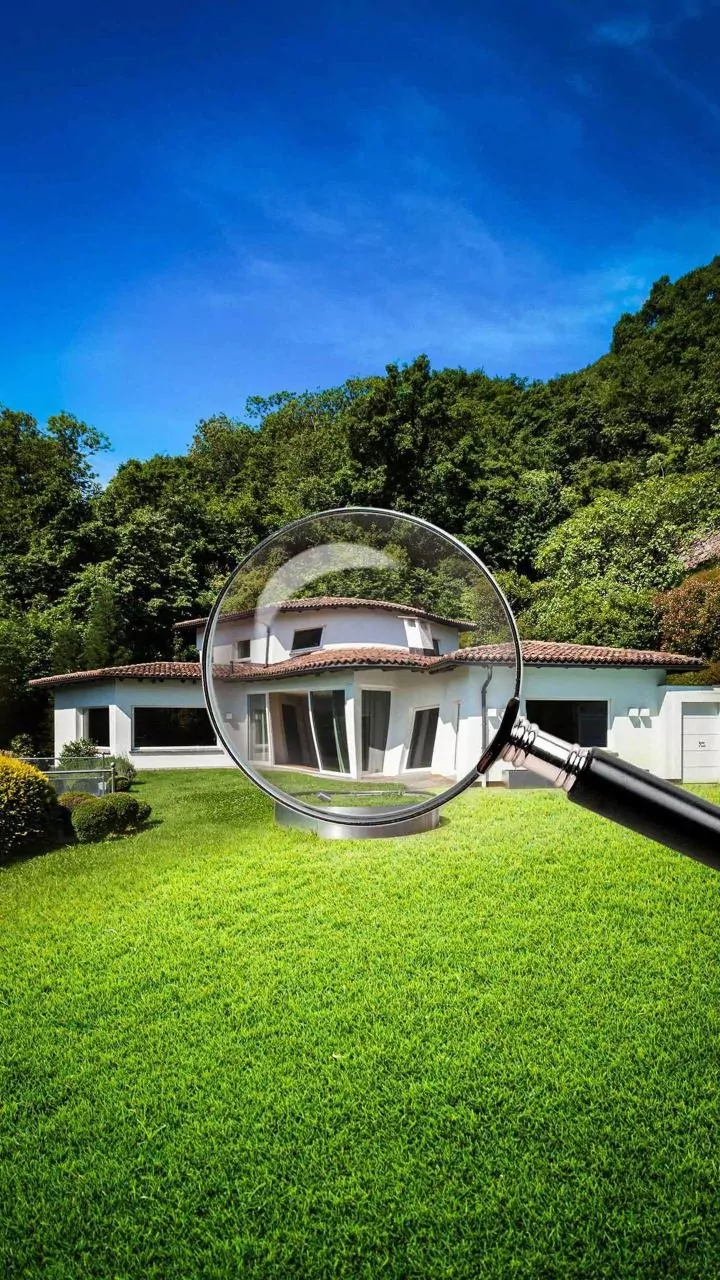
If you suspect you have a moisture problem, taking quick action is critical to prevent further damage. The first priority is to improve air circulation. Open doors and windows to get air flowing, and use fans to help dry out damp areas. If you have exhaust fans in your kitchen and bathrooms, make sure they are running and venting to the outside. For more persistent dampness, a dehumidifier is an essential tool. Aim to keep the humidity level in your home below 50% to discourage mould growth. After a storm, it’s wise to conduct a thorough inspection. Check common trouble spots like attics, basements, crawl spaces, and around window and door frames for any signs of water intrusion. If you find any leaks in the roof or plumbing, address them immediately to cut off the moisture source.
When to Call for Professional Help
While some minor issues can be handled on your own, certain situations require professional expertise. If water has been standing for more than 24 hours, or if the damage covers a large area, it's time to call a water damage restoration company. These specialists have industrial-grade drying equipment and moisture-detection tools that can find and eliminate hidden water pockets you might miss. Visible mould growth is another major red flag. Professionals are trained to handle mould safely, preventing spores from spreading throughout your home and ensuring the area is properly remediated to stop regrowth. Significant structural damage, such as bulging walls, sagging ceilings, or warped floors, also demands an expert assessment to ensure the safety and integrity of your home. Finally, if the water is from a contaminated source like a sewage backup, it's a health hazard that should only be handled by trained professionals with the right protective gear.