






Why A Maintenance Calendar Is Non-Negotiable
In India's diverse climate, property wears down. Waiting for a tenant to call about a flooded bathroom or a damp wall that has ruined their belongings is a reactive, expensive strategy. A planned maintenance calendar turns you from a firefighter into
a strategist. It allows you to budget for repairs, schedule professional help during the off-season, and ensure your property remains safe and habitable. Under the Model Tenancy Act, 2021, landlords are responsible for major structural repairs, including issues with plumbing lines, drainage, and waterproofing. Staying ahead of these issues is not just good business; it’s a legal responsibility. A schedule helps you document your diligence and maintain a positive relationship with your tenants by showing you care for the property.
Pre-Monsoon (March - May): Fortify Against Water Damage
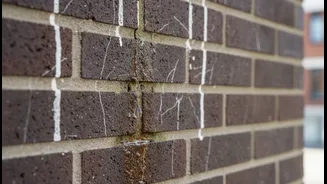
The monsoon is the ultimate stress test for any property in India. Preparing in the hot, dry summer months is crucial. This is the time to focus on the building's exterior and its ability to keep water out. Your primary goal is waterproofing. Inspect the roof for any missing or cracked tiles and check for failures in waterproofing that could lead to leaks. Pay close attention to gutters and drains; they must be cleared of all leaves, dust, and debris to handle the coming downpour. Inspect all external walls for cracks and get them sealed. Check the seals around windows and balcony doors to ensure they are intact to prevent water from seeping in during heavy rains and winds. This is also an ideal time to service air conditioners before the high humidity and peak usage of the monsoon season begins.
Monsoon (June - September): Monitor and Respond
During the monsoon, your role shifts to monitoring. This is when your pre-monsoon prep work pays off. After heavy spells of rain, do a walk-through if possible, or have a trusted contact check for any signs of dampness on interior walls and ceilings, especially in corners and around window frames. Encourage your tenants to report any leaks or damp spots immediately, no matter how small they seem. These are early warnings for bigger problems. Pay attention to drainage. Are the balconies and courtyards draining properly, or is water pooling? Inside, increased humidity can lead to mould growth, so ensure bathrooms and kitchens have adequate ventilation. This is also a peak time for pest infestations, so ensuring cracks are sealed and drains are clean helps keep pests at bay.
Post-Monsoon & Winter (October - February): Repair and Prepare
Once the rains subside, it's time to assess any damage and prepare for the cooler, drier months. This period is ideal for any major repairs that were identified during the monsoon. Repainting water-damaged walls, fixing persistent leaks, and addressing any structural issues should be a priority. This is also the time for deep cleaning tasks that were difficult during the wet season. For homes in North India, winter preparation involves checking water heaters or geysers to ensure they are functioning safely and efficiently before the cold sets in. Inspect windows and doors for any drafts and apply weather stripping where needed to help conserve heat. This is also a good time to prune trees and clear any garden overgrowth that occurred during the monsoon.
Focus on Drains and Plumbing Year-Round
Blocked drains and plumbing leaks are among the most frequent complaints in rental properties. They are also entirely manageable with regular attention. On a monthly basis, you or your tenant should be flushing drains in the kitchen and bathrooms with a mixture of hot water and baking soda or vinegar to clear minor build-ups. Annually, it’s wise to have a plumber inspect the system, especially in older properties. They can check for slow leaks under sinks and toilets, inspect visible pipes for corrosion, and check the main drainage lines for blockages caused by roots or debris. Educating tenants on what not to put down drains—like grease in the kitchen or wipes in the toilet—can also prevent a significant number of emergency calls.