




The Humble Hero of the Drylands
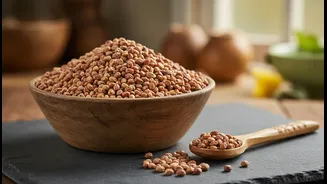
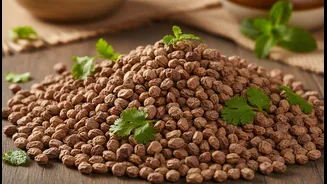
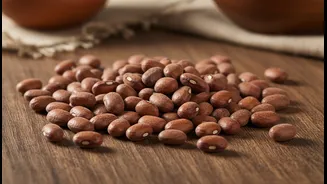
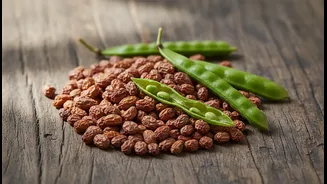
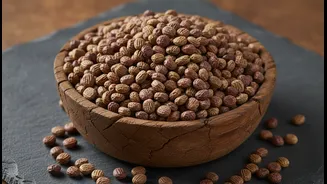
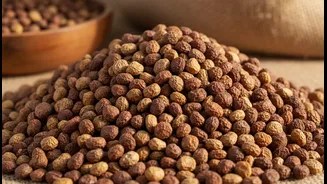
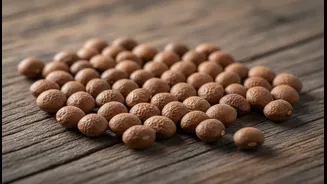
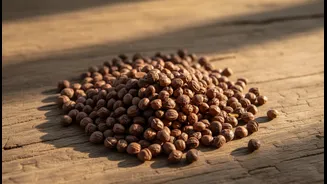
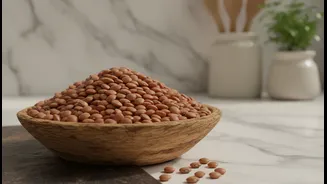
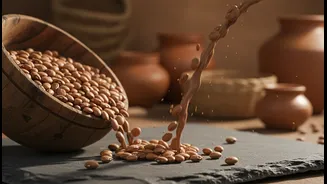
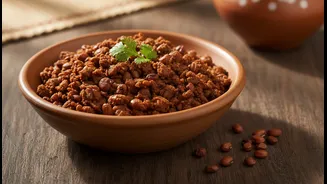
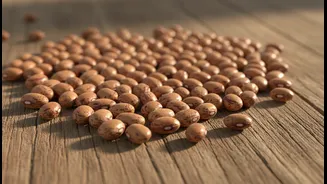
Known as kollu in Tamil, ulavalu in Telugu, and kulthi in Hindi, horse gram (Macrotyloma uniflorum) is a small, hardy legume that has been a quiet staple in parts of India for millennia. Traditionally, it was valued not just for human consumption but
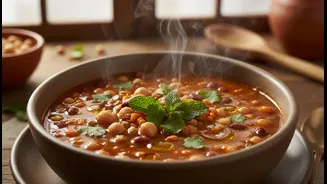
as nutritious fodder for horses and cattle, which is how it earned its English name. A drought-resistant crop, it thrives in arid regions and on marginal lands where other pulses might fail, making it a lifeline for farmers in states like Karnataka, Tamil Nadu, and Odisha. For generations, it has been considered a food of the common folk, prepared in warming rasams, hearty dals, and simple porridges to provide strength and sustenance.
A Nutritional Powerhouse Rediscovered
The recent surge in kollu's popularity is no accident; it is rooted in its incredible nutritional profile. Horse gram is one of the most protein-rich lentils available, packed with iron, calcium, and fibre. Its low fat content and slow-digesting carbohydrates make it beneficial for managing blood sugar levels, making it an excellent food for diabetics. Ayurvedic tradition has long celebrated kollu for its 'warming' properties, using it to treat ailments like the common cold, kidney stones, and asthma. As modern consumers increasingly seek out nutrient-dense, plant-based foods, kollu has transitioned from a forgotten pulse to a celebrated 'superfood'.
From Rural Kitchens to Urban Cafes
This rediscovery is visible on urban grocery shelves and in trendy restaurant menus. Once found only in rural markets, packaged and organic kollu is now readily available online and in health food stores. Chefs are experimenting with this earthy-flavoured pulse, incorporating it into everything from traditional dals and chutneys to modern salads and even biryanis. Its 'superfood' status is driven by a wellness movement that champions indigenous, forgotten ingredients. The narrative has shifted from 'poor man's food' to a premium health product, celebrated for its authenticity and nutritional benefits.
The Question of Affordability
However, this newfound fame comes with a critical question: as kollu becomes a premium product, is it becoming unaffordable for the communities that have relied on it for centuries? The answer is complex. While still cheaper than some niche health foods, the price of kollu has seen a noticeable increase. A check on various online retail platforms shows organic horse gram selling for anywhere from ₹120 to over ₹200 per kilogram, placing it on par with or even above more common pulses like toor or moong dal. This price shift risks pushing a traditional, affordable source of protein out of reach for the very people who have preserved its culinary heritage.
The Farmer's Double-Edged Sword
For the farmers who cultivate this hardy crop, the trend is a double-edged sword. Increased demand could mean better prices and a more stable income, a significant boon for those farming in difficult, drought-prone areas. However, the supply chain for 'neglected' crops like horse gram is often fragmented. Studies show that a large portion of the final consumer price is often absorbed by intermediaries, with farmers receiving a smaller share. Furthermore, despite its resilience, horse gram yields are traditionally low, and it remains an under-researched crop with limited access to improved seed varieties and modern agricultural support. Without a system that ensures fair prices reach the growers, the benefits of this modern revival may not trickle down to the farmers.