




A Ritual Roasted on Coals
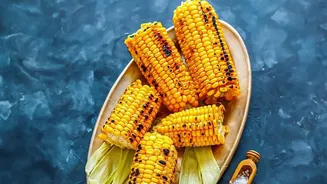
It’s a scene replayed on countless street corners from Mumbai to Delhi: a vendor rhythmically fanning glowing coals, the air thick with the smoky aroma of charring corn. This isn't just about food; it's a performance. With practiced hands, the 'bhutta-walla'
turns the cobs until they are speckled with black, each kernel perfectly cooked. Then comes the final flourish: a generous rubdown with a lemon wedge dipped in a mix of salt, red chilli powder, and sometimes chaat masala. The sizzle of the lime juice on the hot corn, the tangy-spicy coating, and the warmth of the cob make it the perfect comfort food for a cool, rainy evening.
A Taste of Nostalgia
For many Indians, the love for bhutta is deeply intertwined with memories of childhood. It evokes thoughts of school holidays, evening walks with family, and taking shelter from a sudden downpour under a shop awning, bhutta in hand. The snack is a powerful trigger for nostalgia, connecting the present moment to a simpler past. This shared cultural memory is one of the biggest reasons for its enduring popularity. It’s an affordable and accessible pleasure, a simple joy that cuts across generations and social strata, enjoyed equally in bustling cities and quiet hill stations.
The Social Fabric of a Snack
More than just a solitary indulgence, eating bhutta is often a communal act. It’s a reason to pause on a busy street, gather with friends, and share a moment. The street-side stall becomes a temporary social hub, a place for brief interactions and shared experiences. The affordability of bhutta ensures it is a snack for everyone, a democratic treat that reinforces a sense of community. This social dimension adds another layer to its appeal, transforming a simple food into a cultural touchstone.
A Healthier Street Food Choice
In a landscape of deep-fried street foods, roasted bhutta stands out as a relatively healthy option. Corn is a good source of dietary fibre, which aids digestion, and complex carbohydrates that provide sustained energy. It’s also packed with essential nutrients, including vitamins like B-complex and C, and minerals such as magnesium and phosphorus. Yellow corn, in particular, contains antioxidants like lutein and zeaxanthin, which are beneficial for eye health. When roasted without excessive butter, it remains a low-fat snack, making it a guilt-free indulgence during the monsoon.
From Cob to Culinary Canvas
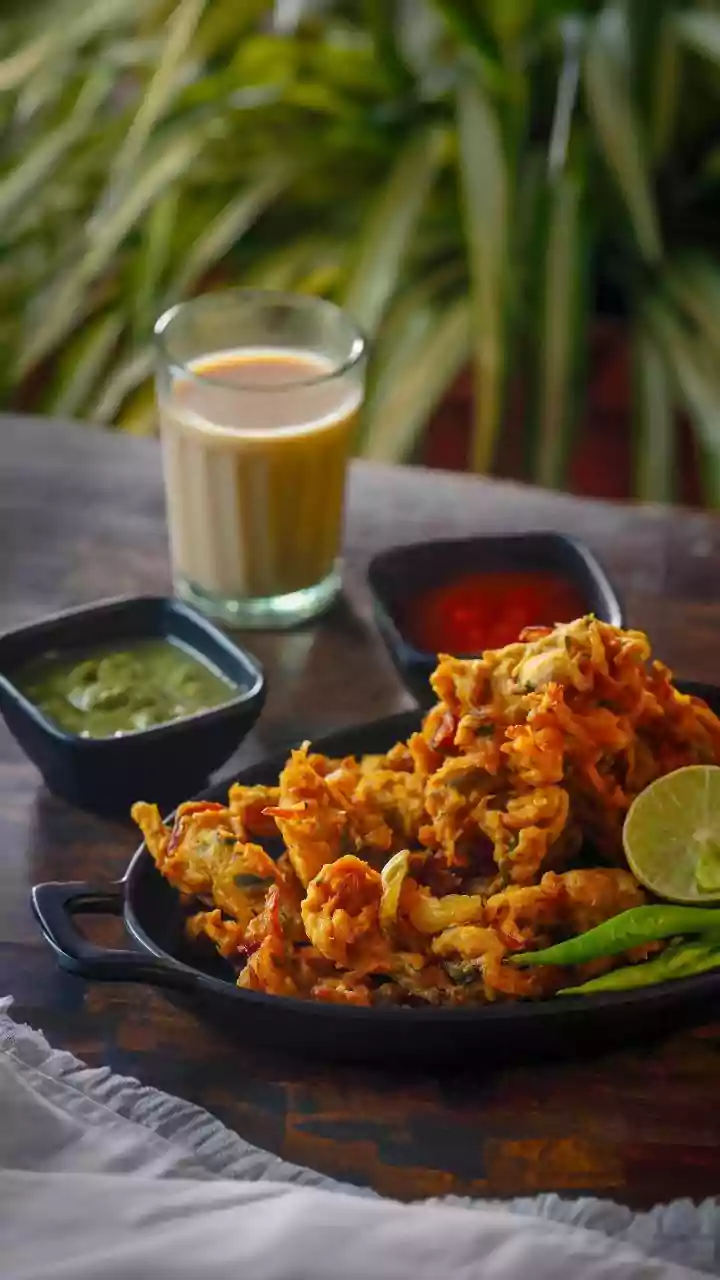
While the classic charcoal-roasted bhutta remains the star, corn's versatility shines during the monsoon. The same desi corn, which is starchier and firmer than its sweet corn cousin, is used in a variety of regional dishes. In Indore, it’s grated to make 'Bhutte ka Kees', a savory pudding-like dish. In other parts of North India, it’s transformed into 'Bhutte ka Halwa', a unique dessert. From corn khichdi to crispy pakoras, the ingredient proves its adaptability, but the elemental pleasure of a smoky, spicy cob eaten in the rain remains an unmatched experience.