






Why Knee Stability Is Non-Negotiable
Knee stability is the ability of the joint to remain steady during movement, preventing excessive motion. This stability isn't just for athletes; it's essential for daily activities like walking and standing, where the knee supports your body's weight.
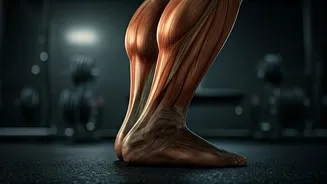
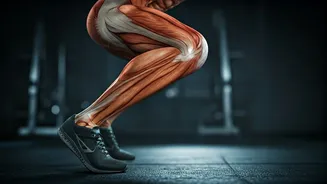
Weak or imbalanced muscles around the joint can lead to poor alignment, discomfort, and a higher risk of injuries such as ligament tears or sprains. By strengthening the key muscles that support the knee—primarily the quadriceps, hamstrings, and glutes—you create a resilient foundation that absorbs impact and reduces strain on the joint itself.
The Advantage of Going in Reverse
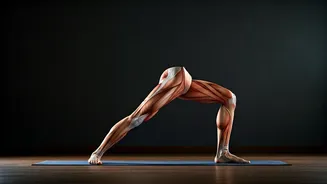
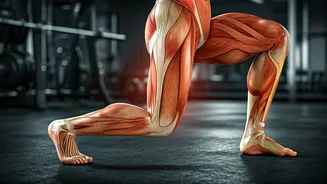
While many lunge variations exist, the reverse lunge stands out as a particularly knee-friendly option. Unlike a forward lunge where you step into the movement and force your front leg to brake against momentum, a reverse lunge keeps the front foot planted. This small change makes a big difference. Stepping backward eliminates much of the jarring impact and shear force on the knee, allowing for a more controlled descent. This makes it a safer and more effective choice for those looking to build strength without aggravating existing knee sensitivities. The movement emphasizes the glutes and hamstrings, crucial muscles for supporting the knee joint.
Mastering the Form: A Step-by-Step Guide
Proper form is crucial to maximizing the benefits and preventing injury. Follow these steps for a perfect slow and controlled reverse lunge: 1. Start by standing tall with your feet hip-width apart and your core engaged. 2. Take a controlled step backward with one leg, keeping your feet on parallel tracks as if on a railway line, not a tightrope. Land on the ball of your back foot. 3. Lower your hips straight down until both knees are bent at approximately a 90-degree angle. Your front thigh should be parallel to the floor, and your back knee should hover just above it. 4. Crucially, ensure your front shin remains vertical, with your knee aligned directly over your ankle, not drifting past your toes. 5. Drive through the heel of your front foot to push yourself back to the starting position with power and control. Complete all reps on one side before switching, or alternate legs.
Common Mistakes to Avoid
Even with the best intentions, small form errors can reduce the exercise's effectiveness. Watch out for these common mistakes: * **Leaning the Torso:** Dropping your chest forward as you rise from the lunge uses momentum from your back instead of strength from your legs. Keep your torso relatively upright throughout the movement. * **Knee Collapsing Inward:** Allowing your front knee to cave inward puts unnecessary stress on the joint. Actively think about keeping it aligned with your hip and second toe. * **Pushing Off the Back Foot:** The power for the reverse lunge should come from your front leg, particularly the glute and quad. Pushing off your back toes is a common cheat that takes the focus off the working muscles. * **Moving Too Fast:** The benefit of this exercise comes from slow, controlled movement. Rushing through reps compromises your form and stability.
Progressions and Modifications
The reverse lunge is highly adaptable to any fitness level. If you're new to the movement or have balance issues, start by holding onto a sturdy surface like a countertop or TRX trainer for support. You can also reduce the range of motion by not lunging as deep. To make the exercise more challenging, you can increase the depth of the lunge, aiming to gently touch your back knee to a pad on the floor. Once you've mastered the bodyweight version, add resistance by holding dumbbells in each hand or a kettlebell in the goblet position at your chest.