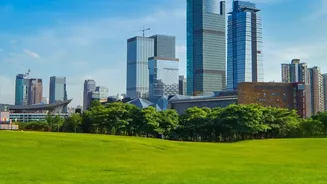







The Power of Everyday Greenery
The idea that green spaces are good for us is not new, but the science is becoming more specific and compelling. A comprehensive review of over 1,500 studies confirmed that parks, gardens, and even street trees significantly boost the physical and mental
health of city residents. This goes beyond simply providing a place for a jog. Access to green spaces is linked with reduced stress, improved attention, and a lower risk of mortality. Researchers have found that these natural environments help by encouraging physical activity, reducing exposure to air pollution and extreme heat, and even improving sleep patterns by regulating our internal clocks. Recent studies even show that as little as 15 minutes spent in a park can have measurable benefits for mental health, with young adults experiencing an even greater positive impact.
Designing for Movement and Access
For decades, urban planning has revolved around the car. Now, a healthier paradigm is emerging: the “15-minute city.” This concept proposes that all essential services—work, shops, healthcare, and recreation—should be accessible within a 15-minute walk or bike ride. The health benefits are twofold. First, it encourages active transport like walking and cycling, which helps combat obesity, heart disease, and stress. Studies in cities with activity-friendly neighbourhoods have found that residents get significantly more physical activity per week. Second, it reduces car dependency, which in turn lowers traffic congestion and harmful emissions. Big-data analysis has shown a strong link between urban wellness and mixed-use streets that blend homes and businesses, encouraging people to get out and walk, which fights isolation and improves both physical and mental fitness.
The Underrated Threat of Noise
While we often focus on what we can see, like air pollution, researchers are increasingly highlighting the invisible threat of noise. Chronic exposure to environmental noise from traffic, construction, and industry is now linked to a host of serious health problems. The European Environment Agency estimates it causes 12,000 premature deaths and contributes to 48,000 new cases of heart disease annually in Europe alone. The mechanism works through stress. Even when we're not consciously bothered by it, noise can trigger our body's stress response system, leading to increased blood pressure, sleep disturbances, and a higher risk for cardiovascular and metabolic issues. Studies show that noise pollution should be considered an independent health risk, separate from but often co-existing with air pollution.
The Architecture of Community
A healthy city isn’t just about the absence of harm; it's about the presence of connection. A growing body of research is focused on “social infrastructure”—the physical places like libraries, community centres, parks, and even lively public squares that allow community life to flourish. Studies have found that communities with higher levels of social infrastructure report better health outcomes. These spaces are critical for fighting the modern epidemic of loneliness and social isolation. By providing welcoming, accessible places for people to gather, they foster chance encounters, build trust among neighbours, and create a sense of belonging. Researchers argue that investing in this infrastructure is not a luxury but an essential component of public health, creating a foundation for a more connected and resilient society.