


The latest viral beauty hack to flood social media feeds is the DIY retinol ice cube. It promises the dual benefits of retinol’s anti-ageing power with the de-puffing magic of ice. But does this cool trend hold up to scientific scrutiny?
The Viral Promise: A Cool Twist on Anti-Ageing
The idea behind
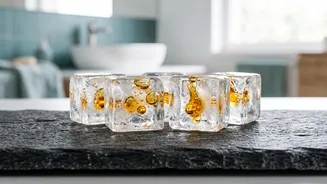
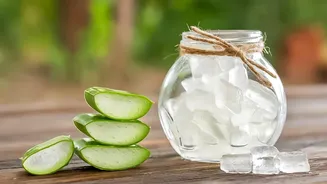
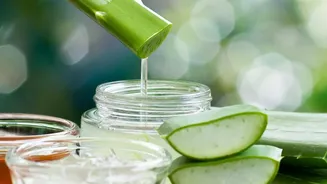
retinol ice cubes seems compelling. Proponents suggest mixing a retinol serum or even 'natural' sources of Vitamin A like carrot juice with water or aloe vera, freezing the mixture in a tray, and then rubbing the cubes over the face. The logic is that the cold temperature provides immediate de-puffing and skin-tightening effects, while the retinol melts into the skin to work its long-term magic on fine lines and texture. It combines two well-loved skincare steps—cryotherapy and an active treatment—into one seemingly efficient hack. For those looking to streamline their routine and get a refreshing boost, it’s an appealing concept that feels both innovative and accessible.
The Stability Problem: Why Freezing Retinol Doesn't Work
Retinol is one of the most powerful and proven ingredients in skincare, but it is also famously unstable. It degrades quickly when exposed to light, air, and temperature fluctuations. Cosmetic chemists go to great lengths to create stable formulations, often using anhydrous (water-free) bases, opaque airless packaging, and specific pH levels to protect the molecule's integrity. Introducing retinol into a water-based solution and freezing it disrupts this careful balance. Studies show that temperature changes accelerate retinol's degradation. While some sources suggest refrigeration can prolong the life of certain products, freezing is a different story and can destabilize the formula entirely. Creating a DIY concoction at home means you have no control over the stability, rendering the star ingredient potentially useless before it even touches your skin.
The Cold Truth About Skin Absorption
Even if the retinol survived the freezing process, applying it in ice-cold form presents another major hurdle: absorption. Cold temperatures cause vasoconstriction, which means the blood vessels in your skin constrict. This process is great for reducing puffiness and redness, but it’s not ideal for product absorption. Skincare products are formulated to be most effective at room or body temperature. The cold can actually hinder the skin's ability to absorb active ingredients. Some experts note that applying cold serums can decrease their absorption, recommending products be allowed to warm to room temperature before use for this very reason. So, while the ice provides a temporary tightening sensation, it may be preventing the active ingredient from penetrating deeply enough to deliver its intended benefits.
The Dangers of DIY Formulations
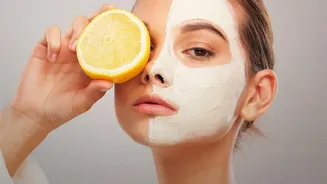
Beyond being ineffective, DIY skincare hacks come with genuine risks. Retinol is a potent active that requires careful dosing. When you mix your own solution, you have no way of knowing the final concentration, which could lead to significant skin irritation, redness, and peeling. Furthermore, using unsterilized tools and containers can introduce bacteria into your concoction, leading to breakouts or infections. There's also the risk of freezer burn or skin damage from applying ice directly to the face without a proper barrier. Some DIY recipes call for ingredients like lemon juice, which are highly acidic and can cause photosensitivity and even chemical burns, a common danger in kitchen-cosmetic experiments.
What Experts Suggest Instead
To get the benefits of both cryotherapy and retinol, dermatologists recommend keeping them separate. Enjoy the de puffing effects of ice or a chilled face roller on clean skin in the morning. This can help with temporary swelling and create a refreshed feeling. For anti ageing, use a professionally formulated retinol product at night. These products are designed for stability and effective delivery, ensuring you get the full, proven benefits of the ingredient. Start with a low concentration a few times a week and gradually increase as your skin adapts. For those with sensitive skin or who prefer a natural approach, alternatives like bakuchiol, peptides, or rosehip oil offer anti ageing benefits with less risk of irritation.