

Embrace Healthier Cooking Methods
The single biggest change you can make is moving away from deep-frying. While it delivers an unbeatable crunch, it also adds a significant amount of oil and calories. Investing in an air fryer can be a game-changer for snack lovers. It uses hot circulating
air to cook food, requiring up to 80% less oil. Classics like samosas, aloo tikki, and paneer tikka come out remarkably well, achieving a satisfying crispiness without the greasy aftermath. Baking is another excellent alternative for items like vegetable cutlets or mathris. Even simply pan-frying with minimal oil or steaming dishes like dhokla can preserve the flavour you love while making your snack routine much healthier.
Make Friends with Whole Grains
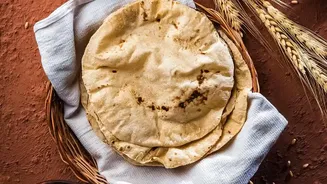
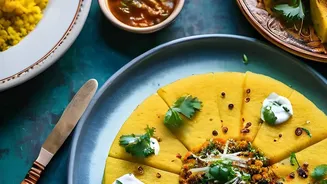
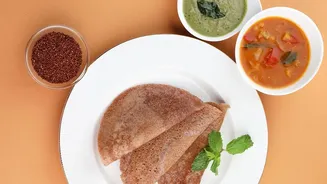
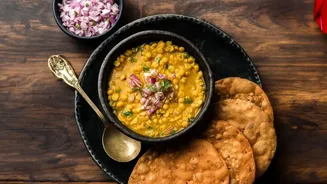
Many beloved Indian snacks rely on maida, or refined white flour, for their texture. Unfortunately, maida is stripped of most of its fibre and nutrients during processing. A simple and effective swap is to use whole wheat flour (atta) instead. You can make baked mathris or even parathas with atta for a more nutritious, fibre-rich option. For an even bigger nutritional boost, experiment with other traditional Indian flours. Millets like ragi, jowar, and bajra are packed with nutrients and are naturally gluten-free. You can make everything from ragi cookies and murukku to jowar bhakri. Besan (chickpea flour) is another fantastic, high-protein choice, perfect for making savoury pancakes (moonglet) or baked pakoras.
Load Up on Vegetables
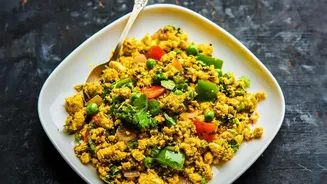
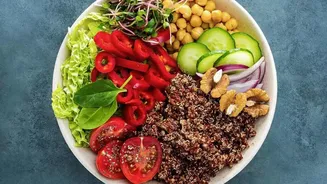
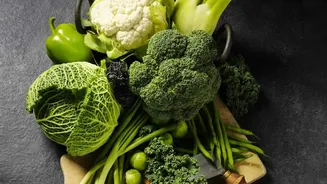
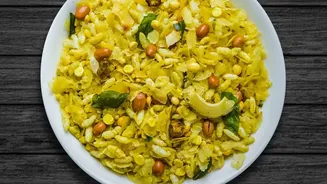
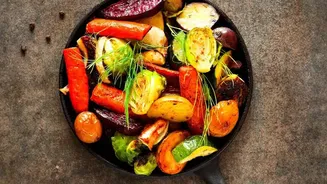
A simple way to boost the nutritional value of any snack is to add more vegetables. They provide essential vitamins, minerals, and fibre that can help you feel fuller for longer. Instead of a plain potato filling for your samosas or tikkis, add peas, carrots, and corn. You can make Hara Bhara Kababs, which are packed with spinach and peas, or add grated vegetables like carrots and zucchini to your poha and upma. Sprout chaat is another fantastic option, combining the goodness of sprouted lentils with fresh onion, tomato, and cucumber. Even a simple bhel puri can be made healthier by reducing the amount of sev and loading it up with fresh, chopped vegetables.
Choose Smarter Sweeteners
When sweet cravings strike, you don't have to reach for refined white sugar. India's traditional kitchens offer healthier, unrefined alternatives. Jaggery (gur) is a powerhouse of flavour and nutrients, containing minerals like iron and magnesium. It can be used in everything from laddoos to kheer. When using it in milk-based desserts, a key trick is to add the jaggery after taking the dish off the flame to prevent curdling. Dates are another excellent natural sweetener, often called 'nature's candy'. Soaked and blended into a paste, they add fibre and a rich, caramel-like flavour to sweets, smoothies, and even stuffed parathas.
Snack on Naturally Healthy Options
Sometimes the best swap is choosing a snack that is already healthy in its original form. Roasted makhana (fox nuts) are a perfect example. They are light, crunchy, low in calories, and can be seasoned with your favourite spices. Roasted chana (chickpeas) is another high-protein, high-fibre option that keeps you full and satisfied. A bowl of murmura (puffed rice) mixed with spices, or a simple plate of steamed idlis, are also great choices for guilt-free munching. These snacks require minimal preparation and offer a satisfying crunch or comforting warmth without the need for any major modifications.