
The Power of Antioxidants
Before diving into cooking methods, it's important to understand what we're trying to preserve. Vegetables are packed with antioxidants, which are powerful compounds that help protect our bodies from cellular damage caused by unstable molecules called
free radicals. This damage is linked to ageing and a host of chronic diseases. Nutrients like Vitamin C and special plant compounds such as glucosinolates, found abundantly in cruciferous vegetables like broccoli, are star players in this protective effort. Getting the most from these compounds is a key goal of healthy eating, but they can be sensitive to heat, water, and cooking time.
Steaming: The Gentle Champion
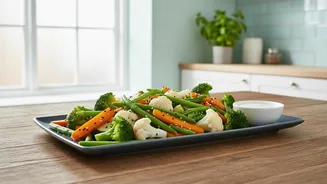
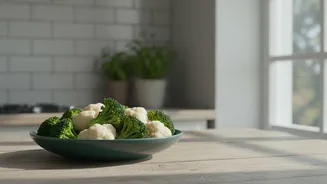
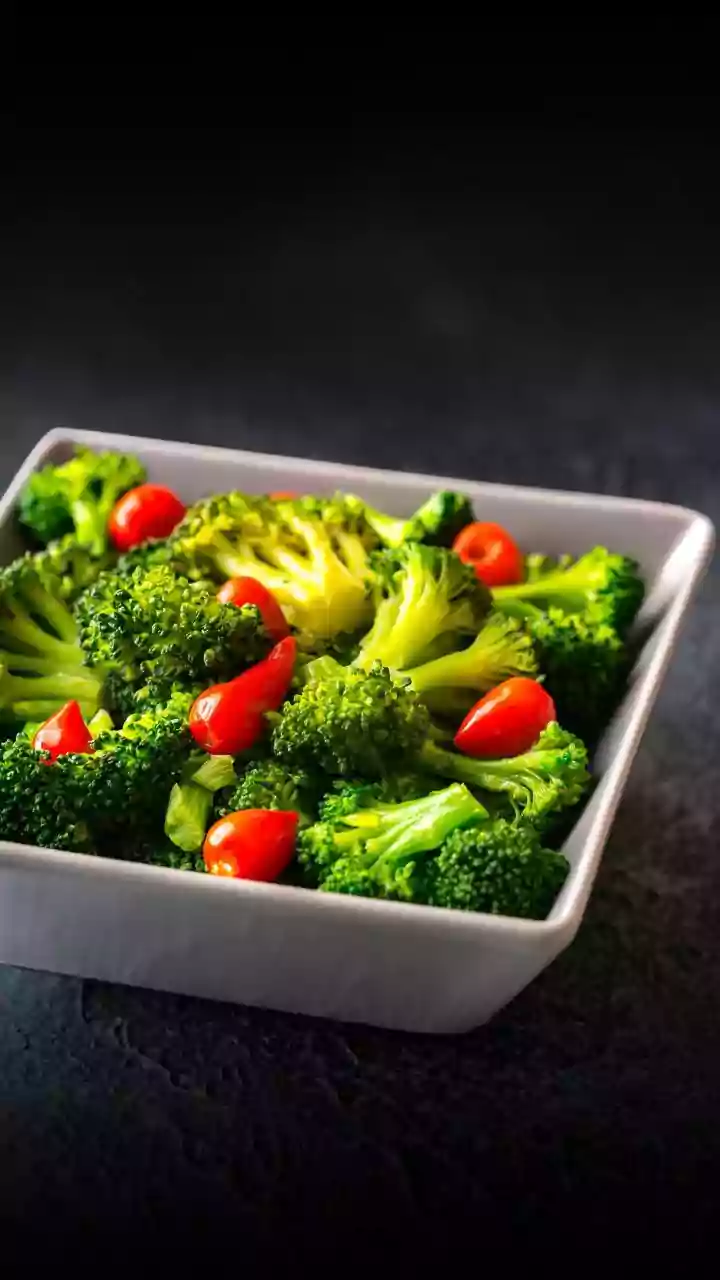
According to multiple studies, steaming consistently comes out on top for nutrient preservation. Steaming cooks vegetables with hot vapour rather than submerging them in water or exposing them to intense, direct heat. This gentle method is crucial for protecting delicate, water-soluble vitamins. A study published in the Journal of Agricultural and Food Chemistry found that steaming was the only cooking method that preserved, and even increased, the cancer-fighting glucosinolates in broccoli. Another study noted that steaming retains nearly 100% of Vitamin C in vegetables after five minutes. By minimising contact with water, nutrients don't have a chance to leach out, and the lower, indirect heat prevents them from degrading.
Stir-Frying: Fast, Hot, and Flawed
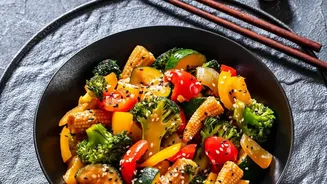
Stir-frying is a quick and flavourful way to prepare vegetables, but the high heat involved can be a double-edged sword. Research shows that this method can lead to significant losses of certain antioxidants. For example, one study found stir-frying destroyed 84% of broccoli's beneficial glucosinolates. While a quick stir-fry might cause less Vitamin C loss than boiling—around 24%—it is still a considerable drop compared to steaming. The intense, direct heat can degrade heat-sensitive compounds, even though the cooking time is short. This means that while your stir-fried veggies are still nutritious, they may not be delivering the maximum antioxidant punch you were hoping for.
Is There Still a Place for Stir-Frying?
This doesn't mean you should banish your wok. Stir-frying has its own set of benefits. Cooking with a small amount of a healthy oil, like olive oil, can actually help your body better absorb fat-soluble vitamins, such as vitamins A, E, and K, as well as carotenoids found in vegetables like carrots and bell peppers. So, while steaming is superior for water-soluble antioxidants, stir-frying can enhance the absorption of other important nutrients. The key is balance. Rather than sticking to a single cooking method, a varied approach ensures you get a wide spectrum of nutritional benefits from your vegetables. Some studies also show that cooking can, in some cases, increase the measurable antioxidant power of vegetables compared to their raw state.
How to Perfect Your Steaming Technique
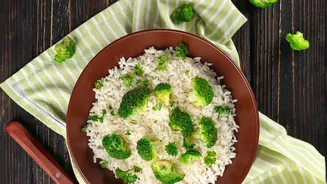
To get the most out of steaming, follow a few simple tips. First, use a steamer basket to keep the vegetables elevated above the water level. This prevents them from becoming soggy and losing nutrients directly into the water. Second, don't overcook them. Steam until they are tender-crisp; this preserves not only the nutrients but also the flavour and texture. For broccoli, this can be as little as three to five minutes. Finally, to boost flavour, don't salt the water. Instead, add flavour after cooking by tossing the steamed vegetables with fresh herbs, a squeeze of lemon juice, or a drizzle of high-quality olive oil. You can also add aromatics like ginger or garlic to the steaming water to infuse the vegetables with subtle flavour.