


The Magic of Second Fermentation
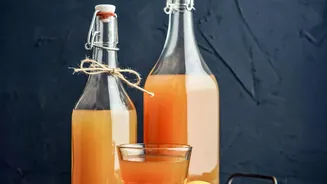
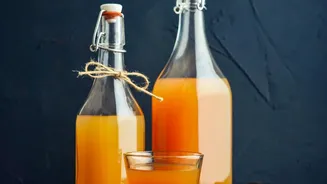
Flavoring kombucha happens during a process called second fermentation, or F2. This is where you bottle your finished, unflavored kombucha from its primary fermentation (F1) and add sugar in some form—like fruit or juice. The container is sealed, trapping
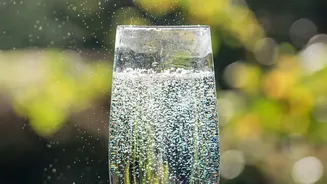
the carbon dioxide that the yeast produces as it consumes the new sugars. This is what creates that delightful fizz. This secondary stage typically lasts for two to seven days at room temperature before the bottles are moved to the refrigerator to stop the process and chill your brew. It's the key step to achieving the bubbly, store-bought texture you love, while also infusing your unique flavor creations.
The Classic Ginger Kick
Ginger is one of the most popular and reliable flavorings for kombucha. It pairs beautifully with the natural tang of the tea and is known to help boost carbonation, making it a perfect starting point for beginners. You can use fresh, dried, or even candied ginger. For a 500 ml bottle, a teaspoon of finely chopped or grated fresh ginger is a great starting point. Some brewers prefer cutting ginger into matchsticks, which are easy to add and remove. The wild yeasts naturally present on organic ginger can also contribute to a more active and fizzy fermentation. For a milder flavor, use larger slices; for a spicier kick, grate it to increase the surface area.
Fabulous Fruit Juices
Using fruit juice is perhaps the easiest method for flavoring kombucha. The rule of thumb is to use about 10-20% juice to 80-90% kombucha. For a 500 ml bottle, this means adding about 50-100 ml of juice. Always opt for 100% juice without preservatives, as additives can inhibit the fermentation process. Popular and effective choices include pomegranate, cherry, grape, and pineapple juice, all of which contain natural sugars that the yeast will happily convert into carbonation. If you use fresh-squeezed juice or puree fresh fruit, you'll get even more flavor and fizz because all the natural components are active. Juices with higher sugar content will create more fizz, so you may need to experiment to find the perfect balance for your taste.
Understanding 'SCOBY Tea'
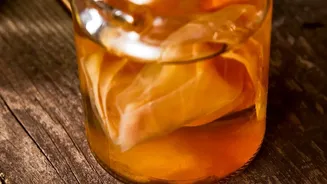
The term 'SCOBY tea' generally refers to the starter tea—the strong, unflavored kombucha from a previous batch that you add to new sweet tea to start the first fermentation. Its primary role is to lower the pH of the new batch to protect it from unwanted microbes. While essential for F1, it is not typically used as a primary flavoring agent in the second fermentation. However, ensuring your F1 brew is healthy and active is crucial. Before bottling for F2, it's a good practice to gently stir your brewing vessel. The yeast, which is vital for carbonation, tends to settle at the bottom. Stirring ensures an even distribution of yeast into every bottle, leading to more consistent carbonation across your entire batch.
Tips for Safety and Fizz
The pressure buildup during second fermentation is real, so safety is paramount. Always use high-quality, pressure-rated glass bottles, such as flip-top or swing-top bottles designed for brewing. Never use decorative or square-shaped bottles, as they are not designed to handle pressure. Leave about one to two inches of headspace at the top of the bottle to allow for gas buildup without putting too much stress on the glass. To monitor carbonation, you can 'burp' your bottles once a day by briefly opening the cap to release excess pressure. However, some experts suggest avoiding this to trap as much fizz as possible. A good middle ground is to use one plastic bottle as a 'tester'—when it feels rock solid, you know the glass bottles are also ready for the fridge. Once you achieve the desired fizz, refrigerating the bottles promptly will put the yeast to sleep and lock in the carbonation.