

The Effortless Appeal of the Co-Ord Set
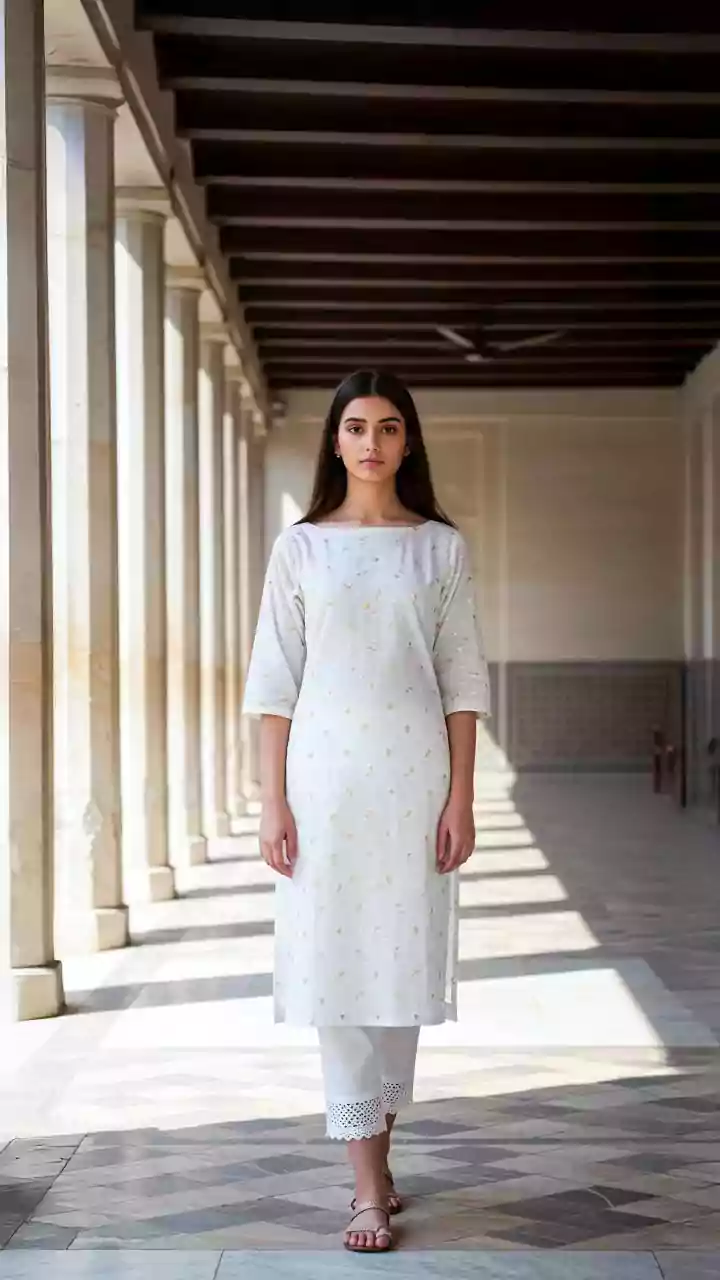
The co-ord, short for coordinated set, has quickly become a wardrobe essential for the modern Indian woman, and its popularity is easy to understand. At its core, it offers a solution to the daily dilemma of 'what to wear?' by providing a perfectly matched
top and bottom. This removes the guesswork from styling, creating a polished, put-together look with minimal effort. Initially seen in loungewear, the trend has expanded into every facet of fashion, from formal office attire to casual brunch outfits and festive ensembles. Its inherent versatility means a single set can be worn together for a powerful statement or broken up and styled as separates, multiplying its value in any closet. This blend of convenience and undeniable chic has made it a favourite, especially in an Instagram-driven era where a camera-ready look is always in demand.
A Modern Canvas for Ancient Artistry
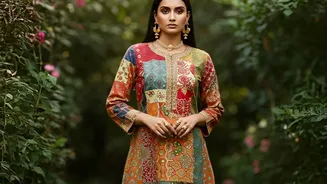
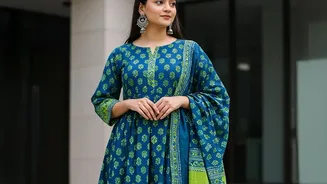
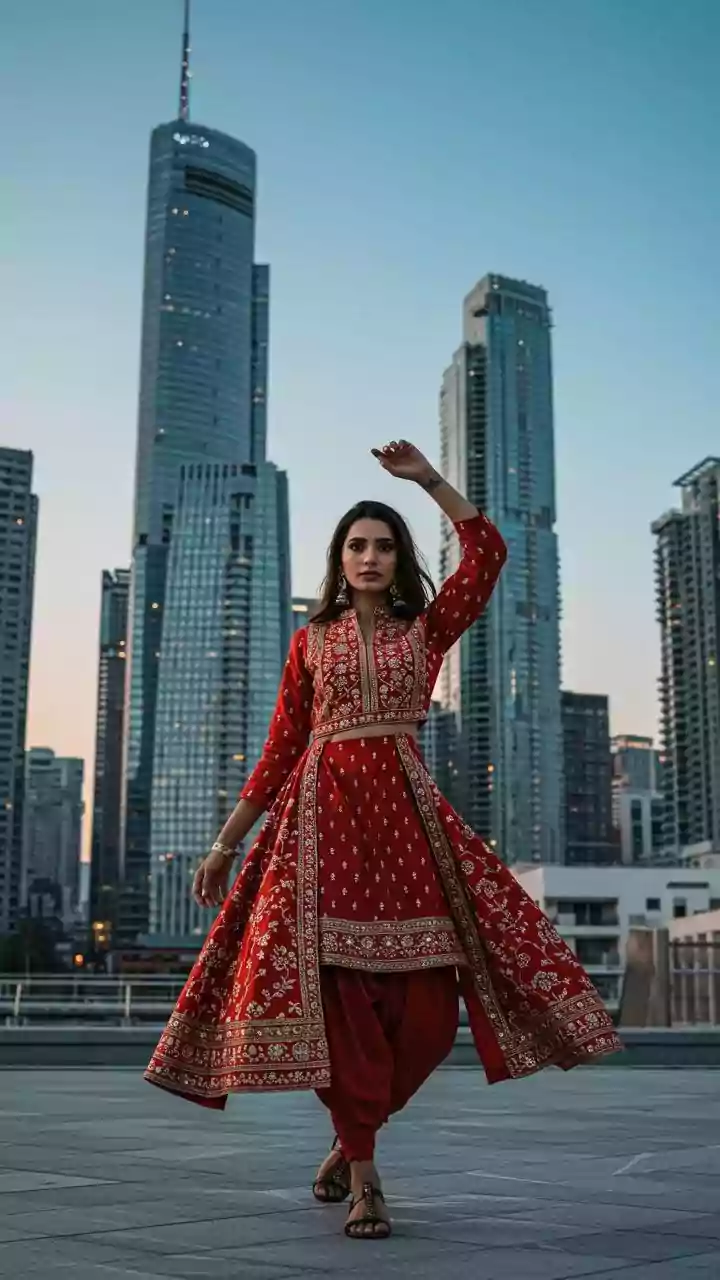
While the silhouette of the co-ord set is modern, its true magic lies in its ability to serve as a canvas for traditional Indian craftsmanship. Designers are increasingly using co-ords to showcase heritage techniques that were once reserved for sarees and heavy lehengas. Crafts like hand-block printing, Bandhani, Ikat, and Kalamkari are finding new life on contemporary cuts like crop tops paired with palazzos, or structured shirts with matching trousers. This format allows the intricate patterns and textures of the craft to take centre stage, unburdened by the complex draping of traditional wear. The result is a garment that feels both culturally rich and perfectly suited for a modern lifestyle, making heritage accessible to a new generation.
Crafts Getting a Contemporary Update
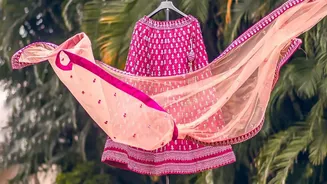
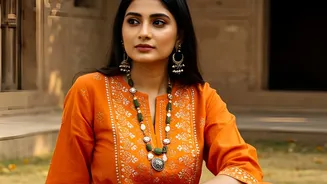
Across India, a wave of designers is reinterpreting timeless crafts through the co-ord lens. The delicate hand-embroidery of Chikankari from Lucknow, for instance, now adorns breathable cotton-linen co-ord sets perfect for a day at the office. The vibrant, geometric weaves of Ikat are being tailored into sharp blazers and wide-leg trouser sets that command attention. Similarly, the ancient tie-dye art of Bandhani from Gujarat and Rajasthan is no longer just for festive sarees; it's appearing on breezy, vacation-ready co-ords. Even rich traditions like Banarasi brocade and Chanderi silk are being fashioned into coordinated separates, making luxury textiles more wearable. These fusions aren't just about placing an old print on a new shape; they involve thoughtful design that respects the craft's integrity while pushing its boundaries.
From Festive Occasions to Everyday Elegance
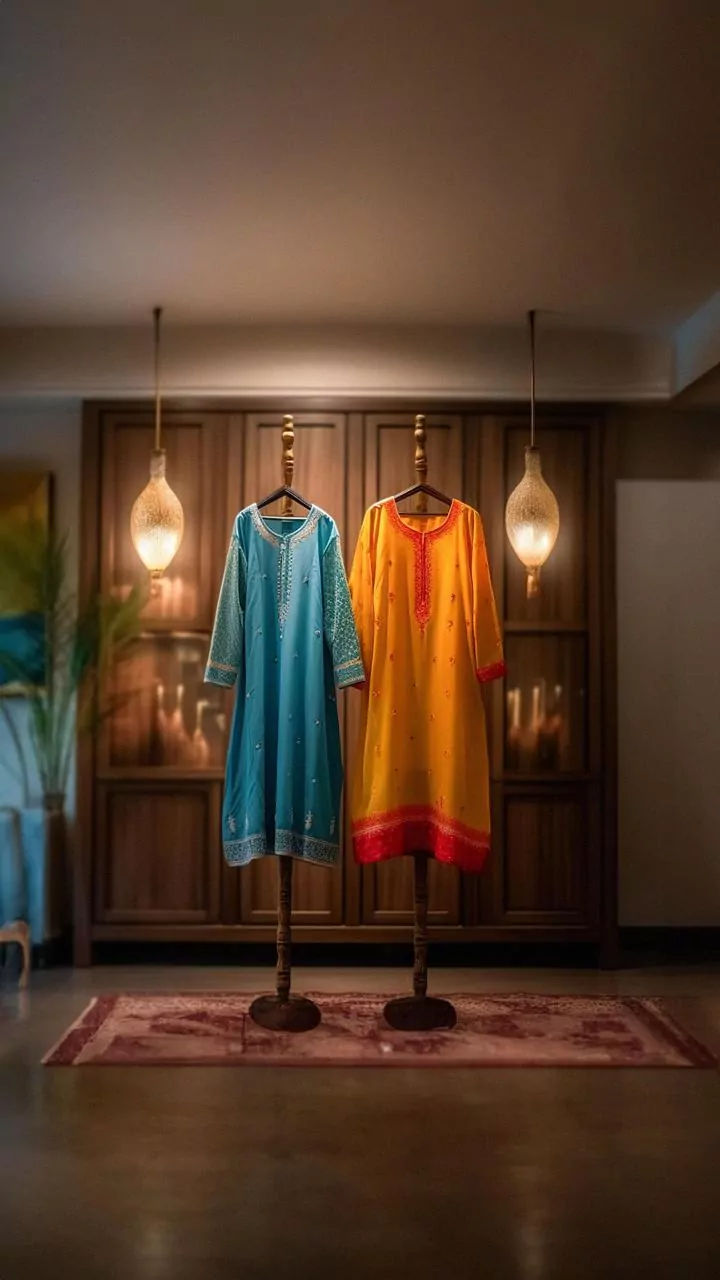
Perhaps the most significant impact of this trend is how it has liberated Indian crafts from the confines of occasion-wear. For decades, many handcrafted textiles were associated primarily with weddings and religious festivals. The co-ord set has been instrumental in shifting this perception, integrating these beautiful fabrics into daily life. A hand-block printed cotton set is comfortable and stylish enough for a casual weekend, while an embroidered Chanderi set works beautifully for a semi-formal dinner. This transition makes Indian craftsmanship more relevant and accessible, allowing consumers to wear their heritage with pride in a variety of settings, from the workplace to a holiday destination.