





The Psychology of Invisible Spending
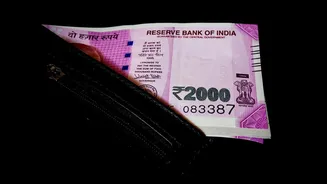
When you hand over physical cash, you feel a sense of loss—what economists call the "pain of paying." It’s a natural brake on spending. Digital payments, however, remove this friction entirely. A quick scan and a PIN entry feel abstract and disconnected
from the actual money leaving your account. This frictionless experience can lead to a psychological phenomenon where spending feels less real, making you more susceptible to impulse buys and less aware of the cumulative financial impact. Studies have shown that people are often willing to spend more when using digital methods compared to cash precisely because this psychological buffer makes the transaction feel less significant.
Death by a Thousand Tiny Transactions
The real danger isn't one large, unplanned expense; it's the dozens of small ones that fly under the radar. A ₹30 chai, a ₹100 auto ride, a ₹150 snack delivery—each feels insignificant on its own. However, these micro-transactions are relentless. Spending just ₹300 on miscellaneous small items daily adds up to ₹9,000 in a month. Over a year, that’s over ₹1,00,000 gone with little to show for it. Because no single transaction triggers a mental alarm, the total outflow often goes unnoticed until your bank balance is surprisingly low at the end of the month. Most people don't overspend in one big go; they overspend a little, many times a day.
Become the Auditor of Your Own Spending
The first step to plugging the leak is to see exactly where the water is going. Make it a habit to conduct a weekly spending review. Every Sunday, open your primary UPI app—whether it's Google Pay, PhonePe, or BHIM—and scroll through your transaction history. Most of these apps automatically categorise your spends, giving you a clear picture of how much went towards food, transport, and shopping. This simple act of review brings awareness back into the process. You’re no longer blindly spending; you’re observing your habits and identifying patterns you might want to change.
Create Intentional Friction with a 'Fun' Account
To counter the frictionless nature of UPI, you need to reintroduce some deliberate barriers. A highly effective method is to use a secondary bank account exclusively for discretionary spending. At the beginning of each week or month, transfer a fixed amount—your ‘fun money’—into this account. Link this account to your UPI app for all non-essential purchases like eating out, entertainment, and impulse buys. Once the money in this account is gone, your spending for that period stops. This strategy mimics the discipline of a cash envelope system, creating a hard limit that a simple mental budget lacks.
Automate Your Savings, Not Just Your Bills
Use the same technology that enables easy spending to enforce disciplined saving. The ‘pay yourself first’ principle is crucial here. Set up an automatic mandate in your UPI app to transfer a fixed portion of your salary to a separate savings or investment account on the day you get paid. By treating your savings as a non-negotiable recurring bill, you ensure that money is set aside before you even have the chance to spend it on daily conveniences. This simple habit prioritises your long-term financial goals over short-term gratification.
Leverage In-App Tools for Smarter Control
Modern UPI apps are more than just payment gateways; they are potential budgeting tools. Explore the features within your app to set daily or monthly transaction limits to prevent overspending. Some apps, like the BHIM app, have introduced features like Spend Analytics that give a snapshot of monthly expenses and allow users to set self-defined spending limits, sending alerts as you approach them. Using these built-in controls helps you stay mindful of your budget without needing external apps or complicated spreadsheets.