






The 'Work From Anywhere' Revolution
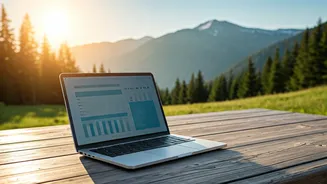
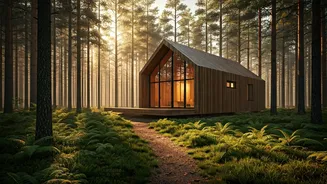
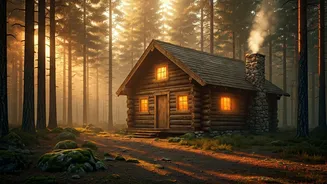
Let’s be honest: five years ago, the idea of taking a Tuesday morning Zoom call from a cabin in the Rockies before a midday hike felt like a daydream. Today, it’s a defining feature of the post-pandemic work landscape. The concept of 'bleisure'—a portmanteau
of business and leisure—isn't entirely new. For decades, road warriors have tacked a weekend of golf onto a conference trip. But what we're seeing now is different in scale, scope, and spirit. This isn't about extending a mandated trip by 48 hours. This is about travel being the starting point. Fueled by the widespread adoption of remote and hybrid work, millions of Americans, particularly solo professionals like freelancers, consultants, and fully remote employees, now possess an unprecedented level of autonomy. They are no longer tethered to a physical office, freeing them to ask a transformative question: If I can work from my kitchen table, why not from a casita in Santa Fe or a beachfront rental in Florida?
Meet the New Bleisure Traveler
The old bleisure traveler was typically a corporate employee on an expense account. The new bleisure traveler is often funding the trip themselves, viewing it not as a vacation from work, but as an enhancement of their work life. This is especially true for solo workers who have the ultimate flexibility. Without family schedules or a partner’s job to consider, they are uniquely positioned to embrace this nomadic professional lifestyle. According to numerous travel industry reports, these individuals are often looking for stays longer than a typical vacation but shorter than a permanent move—think several weeks to a few months. They are trading expensive, dense urban centers for places that offer a higher quality of life, access to nature, and a lower cost of living. They aren't tourists in the traditional sense; they become temporary residents, integrating into local communities, frequenting cafes with reliable Wi-Fi, and contributing to the local economy during what would typically be the off-season.
From Coffee Shops to Mountain Tops
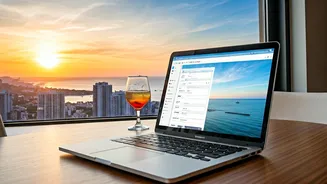
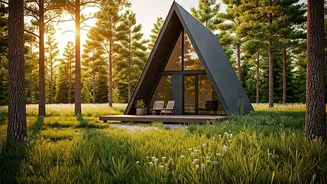
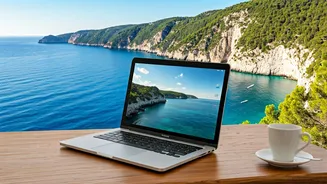
So what does this look like in practice? It’s less about sipping Mai Tais during work hours and more about structuring the day to accommodate both productivity and exploration. A typical day might involve a focused block of work in the morning, followed by an afternoon exploring a national park, a local museum, or a new neighborhood, before logging back on in the evening to wrap up tasks. The 'scenic stay' is key. Travelers are seeking out accommodations that offer more than just a bed—they need a reliable workspace, strong internet, and an environment that inspires. This has created a boom for rental platforms like Airbnb and Vrbo, with hosts now advertising amenities like dedicated desks, ergonomic chairs, and high-speed internet. A new ecosystem of co-living spaces and hotels has also emerged, specifically catering to these digital nomads with communal workspaces, networking events, and flexible, long-term booking options. The goal is to remove the friction from working on the road, making the experience as seamless as being at home, only with a much better view.
Reshaping Hospitality and Main Street
The bleisure boom isn't just a personal lifestyle choice; it's having a significant economic impact. The hospitality industry, once reliant on predictable weekly cycles of business and weekend travel, is adapting. Hotels are rolling out 'workcation' packages, converting underused business centers into trendy co-working lounges, and offering discounts for extended stays. The clear line between a business hotel and a resort is dissolving. Moreover, this trend is breathing new life into destinations once considered 'flyover' or seasonal. Smaller cities and scenic rural towns are seeing an influx of temporary residents who spend money at local restaurants, shops, and attractions for weeks on end. This de-seasonalizes local economies and provides a more stable revenue stream. While this brings undeniable benefits, communities are also grappling with the downsides, such as strains on housing availability and the potential for rising costs of living for permanent residents—a challenge they must navigate as this trend continues to accelerate.