








What Exactly Is Ash Gourd?
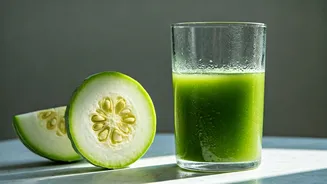
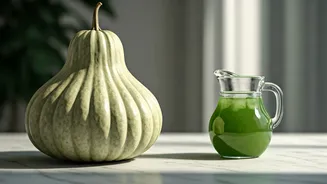
Before it was a trendy juice, ash gourd—known to many in India as petha—was a humble vegetable. You've likely encountered it in the famous sweet, Agra Petha, or cooked in curries. Also called winter melon, wax gourd, or safed petha, this large, green
vegetable has a mild taste, similar to a cucumber, and a very high water content. Its flesh is white and crisp, and it’s covered by a waxy, ash-like coating when mature, which is where it gets its name. While it has been a staple in Indian and Chinese cuisine for centuries, its transformation into a go-to morning wellness drink is a more recent phenomenon, driven largely by social media and wellness influencers.
The Ancient Wisdom: An Ayurvedic Perspective
Much of the buzz around ash gourd juice stems from its revered status in Ayurveda. In this ancient system of medicine, ash gourd is considered a powerful food with 'Sattvic' properties, meaning it is believed to promote mental clarity, calmness, and purity. It is prized for its 'Sheeta Virya' or cooling potency, making it an excellent remedy for balancing excess body heat, particularly for those with a dominant 'Pitta' dosha. Traditionally, it’s recommended for improving digestion, calming the nervous system, and as a natural diuretic. Ayurvedic practitioners often suggest drinking it on an empty stomach in the morning to maximize its purported benefits of cleansing the system and boosting energy for the day ahead.
The Modern Take: What Nutrition Science Says
While ancient wisdom provides a compelling narrative, what does modern nutrition say? Ash gourd’s profile is impressive for anyone focused on health. It's extremely low in calories, with about 96% of its weight being water, making it incredibly hydrating. It contains small amounts of essential nutrients and is a good source of dietary fibre. Fibre is crucial for digestive health, promoting regular bowel movements and helping you feel full, which can aid in weight management. Some small-scale studies have suggested that ash gourd extracts may have antioxidant and anti-inflammatory properties, but large-scale human trials are limited. So, while science confirms it's a hydrating, low-calorie, fibre-rich food, many of the more dramatic claims about it being a 'detox' agent or a miracle cure are not yet strongly supported by clinical research.
The Weight Loss and 'Detox' Connection
The two biggest claims driving the trend are weight loss and detoxification. Let's break them down realistically. The weight loss argument is plausible, but not magical. Because ash gourd juice is high in water and fibre but low in calories, drinking it in the morning can help you feel full and hydrated, potentially reducing your overall calorie intake throughout the day. It's a smart replacement for sugary juices or high-calorie breakfast drinks. As for 'detox', the concept is often misunderstood. Your liver and kidneys are your body's primary, highly effective detoxification organs. While staying hydrated with drinks like ash gourd juice supports the function of these organs, the juice itself doesn't actively 'pull' toxins from your body. Think of it as supporting your body’s natural cleansing processes rather than performing a magical cleanse itself.
How to Make It at Home
Curious to try it for yourself? Making fresh ash gourd juice is incredibly simple. You don’t need a fancy juicer, as a blender works just as well. 1. **Prep the Gourd:** Take a slice of ash gourd (about 200-250 grams). Peel the skin, remove the seeds and the soft, seedy core. 2. **Chop and Blend:** Cut the firm white flesh into small cubes. Add them to a blender. Do not add water, as the gourd has more than enough of its own. 3. **Blend Until Smooth:** Blend on high for about a minute until you have a smooth, frothy liquid. 4. **Strain (or Don't):** Pour the mixture through a fine-mesh sieve or a muslin cloth to separate the pulp. For maximum fibre, you can choose to drink it unstrained. 5. **Serve Immediately:** It’s best consumed fresh. While it has a very mild, watery taste, some people like to add a pinch of black salt or a squeeze of lime to enhance the flavour. It's traditionally consumed plain, on an empty stomach.