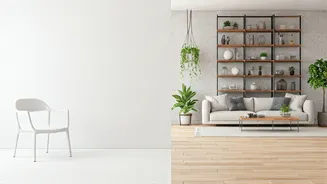

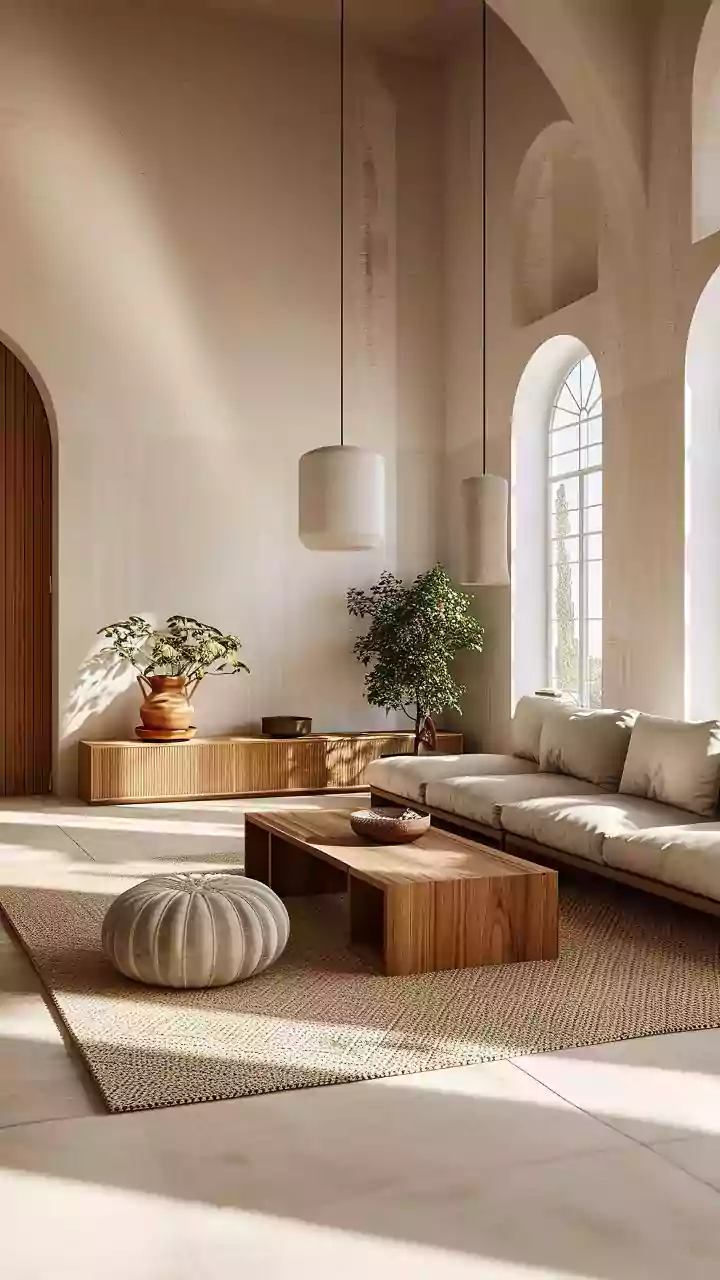
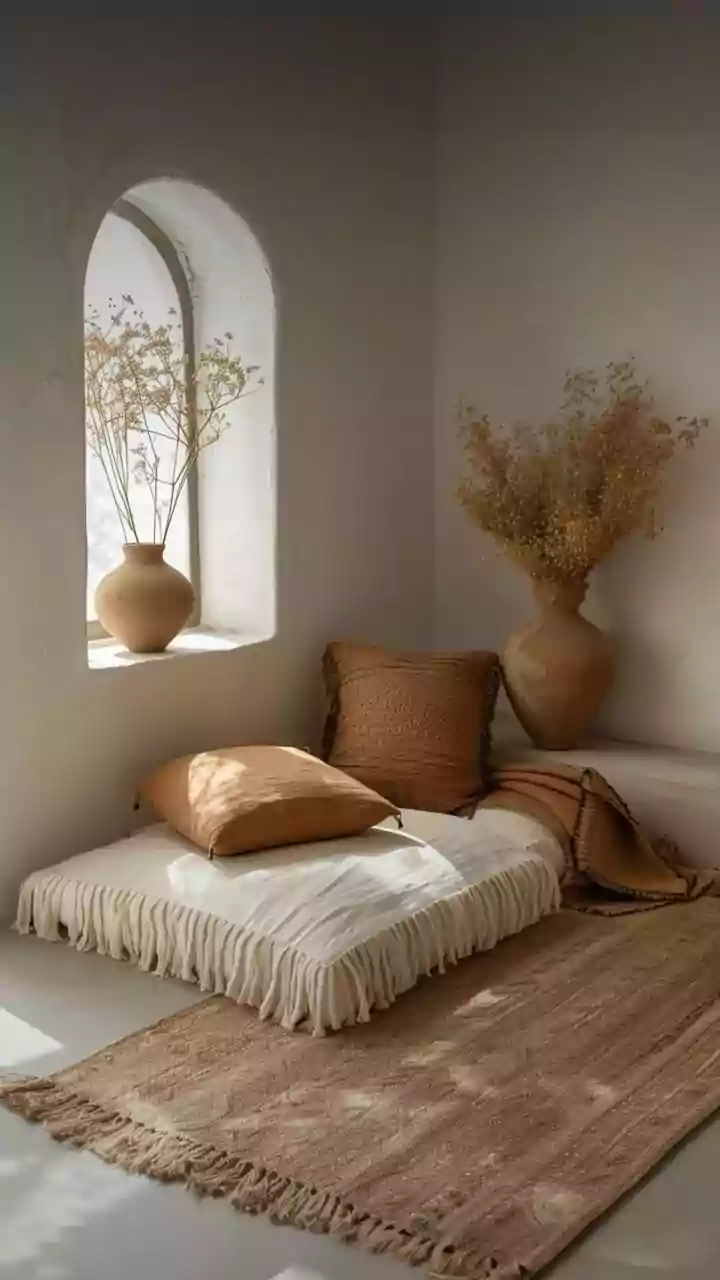


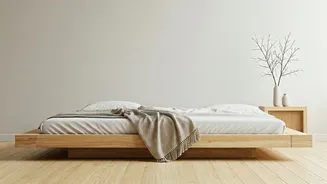
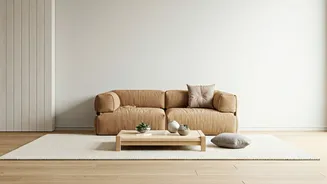


The Reign of the White Box
Remember the era of the all-white aesthetic? It dominated the 2010s, promoted by influencers and design magazines as the ultimate symbol of modern, clean living. Inspired by a blend of Scandinavian minimalism and stark modernism, the appeal was obvious.
White walls make a space feel larger and brighter. A minimalist approach promised a life free from clutter—and by extension, free from stress. It was a blank canvas, a photo-ready backdrop for a curated life. For many, it represented a visual detox, a clean break from the perceived chaos of the outside world. This look was less a home and more a gallery for a carefully selected few objects, projecting an image of control and impeccable taste.
The Sterile Reality
The problem with living in a gallery, however, is that it can feel cold and impersonal. The sterile white layout, while beautiful in photographs, often proved difficult to live in. Every speck of dust, every stray toy, and every splash of dal became a glaring imperfection. These spaces demanded constant upkeep to maintain their pristine look, creating a new kind of anxiety rather than the promised calm. More than that, they lacked a sense of history or personality. A home that looks like a catalogue can feel disconnected from the messy, vibrant reality of the people who inhabit it. The pendulum had swung so far toward minimalism that it began to feel less like a home and more like a high-end waiting room.
A Global Craving for Comfort
The major turning point was, unsurprisingly, the global pandemic. As lockdowns forced us to spend unprecedented amounts of time within our own four walls, our relationship with our homes fundamentally changed. They were no longer just places to sleep and store our belongings; they became our offices, schools, gyms, and sanctuaries. Suddenly, the sterile, impersonal ‘white box’ felt less like a retreat and more like a beautifully designed cage. We began to crave comfort, security, and a sense of warmth. Our homes needed to hug us back. This psychological shift sparked a rebellion against the cold and a mass embrace of all things cozy.
Enter 'Cozy' and its Cousins
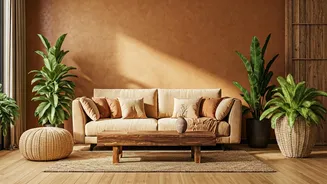
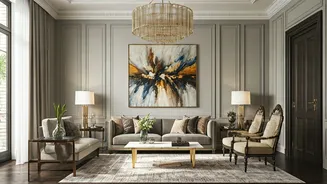
In place of stark white, a new wave of design philosophies emerged, all centred on warmth and personality. ‘Hygge’, the Danish concept of cozy contentment, went mainstream. We saw the rise of ‘Cottagecore’, romanticising a simple, pastoral life filled with floral prints and rustic wood. ‘Grandmillennial’ style brought back chintz, wallpaper, and heirloom-style furniture, celebrating nostalgia and comfort. Even maximalism, once seen as cluttered, was rebranded as a joyful expression of self. In the Indian context, this shift felt like a homecoming. It was an opportunity to proudly display vibrant textiles, intricate block prints, handcrafted wooden furniture, and brass heirlooms—elements that were always part of our cultural DNA but were temporarily sidelined by a global trend.
Personality Over Perfection
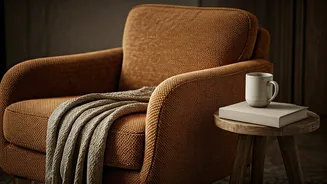
Ultimately, the move away from sterile white is a move towards authenticity. A cozy interior is a forgiving one. It’s a space filled with books you’ve actually read, art that means something to you, and souvenirs from your travels. It’s about layers of texture—a soft throw, a plush rug, velvet cushions—that invite you to touch and relax. These interiors tell a story about the inhabitants. They are unapologetically lived-in, prioritizing personal joy over an abstract ideal of perfection. The new goal isn’t to create a home that looks good on Instagram, but one that feels good to live in. It’s the triumph of the personal, the sentimental, and the comfortable.