


The Fading Echo of the Perseids
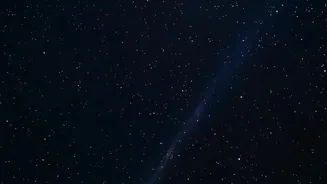
The spectacular Perseid meteor shower peaked around August 12-13, treating observers to a brilliant display under moonless skies. While the main event has passed, the show isn't entirely over. The shower remains active until August 24, meaning you can
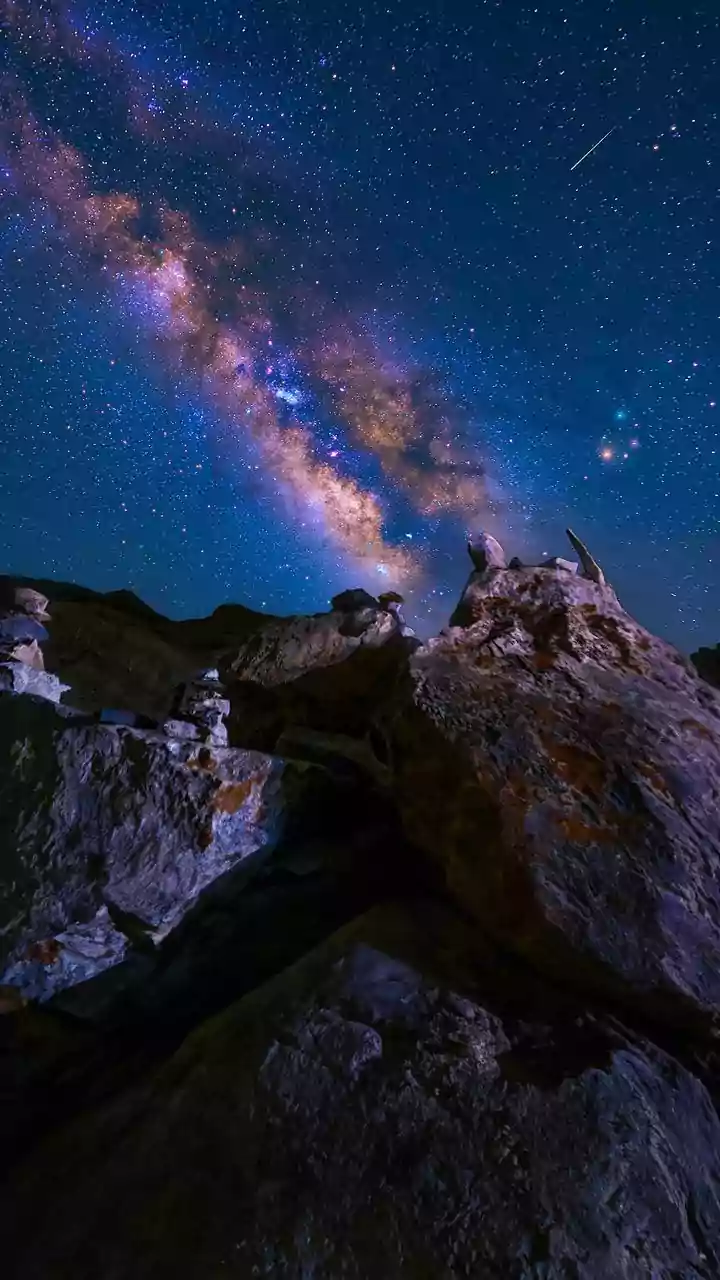
still catch stray ‘shooting stars’ in the late-night hours. For your best chance, find a spot with a clear view of the sky after midnight, let your eyes adjust to the darkness for at least 20 minutes, and be patient. These meteors are fragments of the comet Swift-Tuttle, burning up as they enter our atmosphere at high speed. Even spotting one or two can be a magical experience, a fleeting reminder of the cosmic dust storm our planet is passing through.
Saturn: The Ringed Jewel Beckons
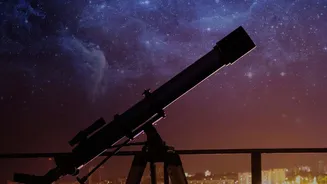
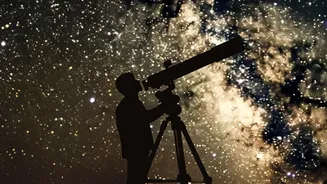
August is a fantastic time to turn your attention to Saturn. Though its opposition—the point where it’s brightest and closest to Earth—is on October 4 this year, the planet is already a magnificent sight and will be easily visible for the rest of 2026. In late August, the ringed planet rises in the evening and can be found high in the southwest sky before sunrise. It shines with a steady, yellowish light, distinguishing it from twinkling stars. Even a basic pair of binoculars will stabilise its light, but a small telescope is where the magic happens, revealing the iconic rings that make Saturn one of the most breathtaking objects in the solar system. After being nearly edge-on in 2025, the rings are now tilting back towards us, offering a more satisfying view.
The Pre-Dawn Parade of Planets
The early morning sky continues to host a beautiful, albeit challenging, alignment of planets. A grand six-planet parade occurred around August 12, and its remnants are still visible. In the hour before sunrise, you can find several worlds strung across the sky. Mars, bright and high, is an easy catch. Saturn will be setting in the southwest. More challenging are Jupiter and Mercury, which appear very low on the eastern horizon in the growing twilight. You'll need an unobstructed view and clear skies to spot them. While Uranus and Neptune are technically part of this lineup, they are too faint to be seen without at least a good pair of binoculars or a telescope.
A Farewell to the Summer Triangle
As August progresses, one of the most prominent signposts of the summer sky, the Summer Triangle, remains high and proud in the evening. This is not a constellation but an asterism, a prominent pattern of stars, composed of three bright stars from three different constellations: Vega in Lyra, Deneb in Cygnus, and Altair in Aquila. From Indian latitudes, this massive triangle is unmistakable overhead after dusk. It’s a perfect target for city dwellers as its stars are bright enough to punch through moderate light pollution. Use it as a starting point to navigate the celestial neighbourhood. The band of our own Milky Way galaxy runs right through it, and if you can get to a darker location, the view is simply spectacular.
A Partial Lunar Eclipse Caps the Month
Mark your calendars for August 28, when a partial lunar eclipse will be visible. During this event, a portion of the full Moon will pass through the darkest part of Earth's shadow, called the umbra. This will cause one side of the Moon to appear noticeably dimmer or even take on a reddish hue. Lunar eclipses are perfectly safe to view with the naked eye and offer a wonderful opportunity to watch the mechanics of our solar system play out in real time. The event will be a great target for casual observers and photographers alike, offering a subtle yet beautiful celestial show to close out the month.
Tips for the Urban Stargazer
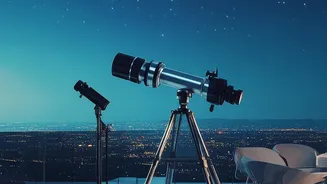
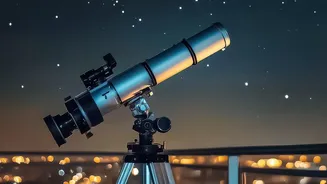
Skywatching from a city can be frustrating, but not impossible. The key is to manage light pollution. Find the darkest spot you can, like a park, a large field, or even a high-rise rooftop with an open view. Give your eyes at least 20-30 minutes to adapt to the dark; this is crucial for seeing fainter objects. Avoid looking at your bright phone screen, which will ruin your night vision instantly. If you need a light, use a red-light torch or cover your phone with red cellophane. Binoculars are a city-stargazer's best friend, gathering more light than your eye and revealing details like Jupiter's moons or the shape of Saturn's rings. Finally, use stargazing apps to help you identify what you're looking at, but try to use their red-light mode to preserve your night vision.