


1. Invest in Good Non-Stick Cookware
One of the simplest yet most effective changes you can make is to upgrade your pans. Traditional steel or aluminium kadhais often require a liberal amount of oil to prevent food from sticking and burning. A quality non-stick pan, whether it's a modern
ceramic-coated one or a well-seasoned cast iron skillet, creates a surface that requires significantly less oil. Food glides easily, allowing you to sauté vegetables or brown masalas using just a minimal spray or a half-teaspoon of oil instead of several tablespoons. This single investment can drastically cut your daily oil consumption without changing your recipes. A good non-stick surface allows for even heat distribution, ensuring your food cooks perfectly without needing to swim in fat.
2. Embrace Air Frying and Baking
Many of our favourite snacks and side dishes, from samosas to bhindi fry, are traditionally deep-fried. The air fryer has emerged as a game-changing appliance for health-conscious foodies. It works by circulating extremely hot air to create a crispy, golden finish with a tiny fraction of the oil used in deep frying—often just a single tablespoon or less. This method can reduce the fat content in foods by up to 75% compared to deep frying. Similarly, baking is an excellent alternative. Vegetables like brinjal or paneer can be marinated and then baked or roasted in the oven until tender and slightly crisp before being added to a curry. This achieves a similar texture to frying but with significantly fewer calories and less fat.
3. Master Water or Broth Sautéing
A common habit when a pan looks dry is to add another splash of oil. A healthier technique used in professional kitchens is to deglaze the pan with a small amount of liquid. Instead of more oil, add a couple of tablespoons of water or vegetable broth. This liquid lifts the flavourful browned bits (known as 'fond') from the bottom of the pan, prevents sticking, and adds moisture to continue the cooking process. This method, sometimes called water-sautéing, is perfect for cooking onions until translucent or preparing your base masala. The natural water content in vegetables is often released during cooking, and a little extra liquid is all that's needed to keep things moving without adding unnecessary fat.
4. Switch to Steaming
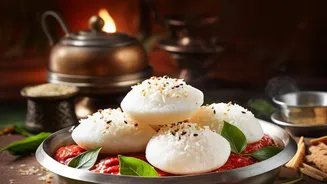
Steaming is a cooking method that requires zero oil by definition. It uses water vapour to cook food, which is a gentle process that helps retain more nutrients, colour, and natural flavour compared to frying. While idli and dhokla are popular steamed Indian dishes, this technique is incredibly versatile. Vegetables like broccoli, carrots, and beans become tender-crisp, preserving vitamins and minerals that might otherwise be lost. Fish and chicken also cook beautifully when steamed, resulting in a moist and light dish. Instead of frying vegetables before adding them to a curry, try steaming them separately and incorporating them at the end. This ensures they are perfectly cooked without absorbing excess oil.
5. Measure, Don't Pour
This final tip is less of a cooking technique and more of a mindful habit. It's easy to overestimate how much oil you need when pouring directly from a large bottle into a hot pan. One of the most effective ways to control your intake is to measure it precisely. Use a tablespoon or teaspoon to portion out the oil. An even better method is to use an oil spray bottle or mister. A quick spray can coat the entire surface of a pan with a very thin, even layer, often using less than a teaspoon of oil. This simple act of measuring provides the control needed to ensure you're using oil for its function—to prevent sticking and conduct heat—rather than as a primary ingredient. This habit alone can lead to a significant reduction in your overall fat consumption.