





A Moment of Global Acclaim
The popular food and travel guide TasteAtlas recently gave a significant nod to one of India’s most beloved dishes. Malai Kofta was ranked as the 10th best deep-fried dish in the world. This recognition places the humble kofta alongside global favourites,
signalling a growing appreciation for the nuances of Indian cooking. While dishes like Butter Chicken and Naan have long been international ambassadors, this specific praise for a vegetarian centrepiece is a noteworthy shift. It highlights a move beyond stereotypes, acknowledging the craft and comfort embedded in India's plant-based culinary traditions. The ranking has sparked conversations online and in culinary circles, celebrating a dish that has been a staple at Indian celebrations and family dinners for generations.
The Irresistible Charm of Malai Kofta
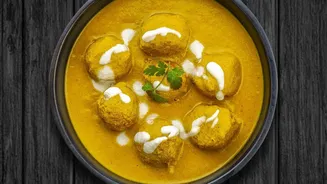
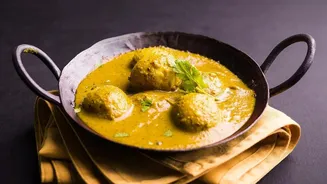
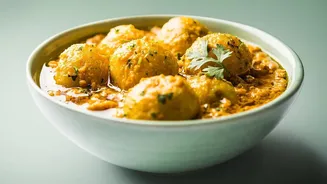
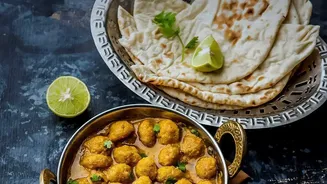
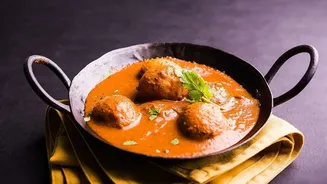
So, what makes Malai Kofta a global star? Its appeal lies in a masterful balance of textures and flavours. The dish consists of 'koftas'—deep-fried dumplings typically made from a mix of mashed potatoes, grated paneer (Indian cottage cheese), and sometimes nuts and raisins for a hint of sweetness. These crispy-on-the-outside, melt-in-your-mouth-on-the-inside orbs are then submerged in 'malai'—a rich, creamy gravy. This velvety sauce, a luxurious blend of tomato, onion, cashews, and aromatic spices like cardamom and cloves, is mild enough for an international palate yet complex enough to be deeply satisfying. This combination of a crunchy dumpling and a silky sauce makes it a perfect 'gateway' dish for those unfamiliar with the complexities of Indian spices, offering pure comfort in a bowl.
From Mughal Kitchens to Global Menus
Malai Kofta's journey is a tale of culinary evolution. The concept of 'kofta' itself has roots in Persian and Central Asian cuisine, where it traditionally referred to pounded meatballs. This concept was introduced to the subcontinent and embraced during the Mughal era, a period known for its lavish and sophisticated cookery. Over time, Indian chefs and home cooks brilliantly adapted the kofta to the subcontinent's vegetarian ethos, substituting meat with paneer and vegetables. This adaptation is a testament to the ingenuity of Indian cuisine. Today, Malai Kofta is a fixture not just in Indian restaurants worldwide but is also appearing in vegan cafes and street food trucks from London to Berlin, showcasing its versatility and modern appeal.
A Rising Tide for Vegetarian Cuisine
Malai Kofta's success is not an isolated event. It's part of a broader trend of growing global interest in India's vast vegetarian offerings. For centuries, a significant portion of Indian households has perfected plant-based cooking, resulting in a cuisine where vegetarian dishes are the main event, not an afterthought. International food rankings increasingly feature other Indian vegetarian stars like Pav Bhaji, Dal Makhani, Palak Paneer, and Chana Masala. The spotlight on Malai Kofta acts as a halo effect, encouraging chefs and food enthusiasts globally to look beyond the obvious and explore the rich tapestry of dishes that India has to offer. It proves that vegetarian food can be indulgent, celebratory, and universally delicious.