

Start with Circulation in Mind
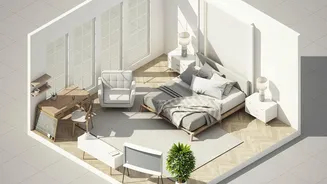
Before moving a single piece, think about how you move through the room. Interior designers call this 'circulation' or 'traffic flow'. You need clear, comfortable paths from the door to your bed, closet, and any other key areas. A good rule of thumb is to leave
at least 24 to 30 inches for main walkways. This ensures you can move around easily without side-shuffling. Before committing, you can even use painter's tape on the floor to mark out where furniture will go. This simple trick lets you 'feel' the flow and identify potential bottlenecks before doing any heavy lifting. A beautiful room that you can't navigate comfortably is a design failure, no matter how stylish.
The Classic: Centered on a Wall
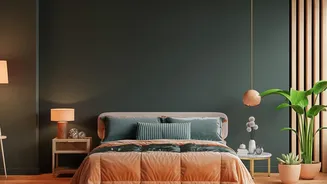
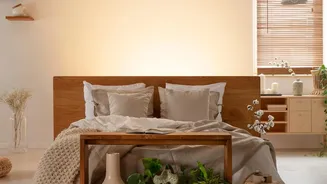
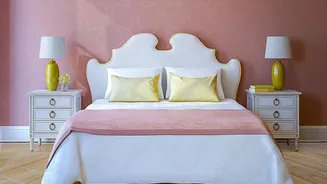
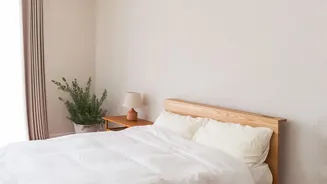
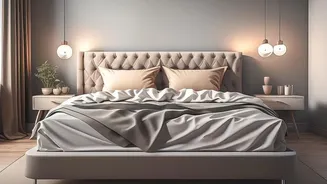
The most common and often most effective placement is to center the bed against a wall. This typically means the wall opposite the door or the longest wall in the room, creating a natural and calming focal point as soon as you enter. This symmetrical approach helps the room feel balanced and considered. If possible, this layout allows for two nightstands and access from both sides, which is ideal if the bed is shared. Don't worry if this wall has a window; placing a bed in front of one can look fantastic. Just opt for a low headboard that doesn't block too much of the windowsill or natural light.
The Space Saver: Tucked in a Corner
Pushing your bed into a corner, against two walls, is a powerful strategy for maximizing floor space. This single move can free up a significant amount of open area in the middle of the room, which can be used for a small desk, a reading chair, or simply to create a more open feeling. This layout creates a cozy, nook-like feel that many people find comforting and secure. However, it does have downsides. It’s best suited for single sleepers, as the person against the wall will have to climb over to get in and out. Making the bed can also be more challenging.
For Long, Narrow Rooms
If your bedroom is long and narrow, avoid placing the bed along the longer wall, as this can exaggerate the 'bowling alley' effect. Instead, position the bed against one of the shorter walls. This helps to visually balance the room's proportions, making it feel wider and less like a corridor. By doing this, you create a more defined sleeping zone at one end and a clear, continuous walkway along one side of the room, which improves the overall flow from one end to the other.
Create the Illusion of Space
Beyond placement, the type of furniture you choose can dramatically affect circulation. Opt for beds, nightstands, and dressers with visible legs. Lifting furniture off the ground allows you to see more of the floor, which tricks the eye into perceiving a larger, more open space. This 'floating' effect prevents furniture from feeling like heavy, immovable blocks. Also, consider vertical space. Wall-mounted shelves and lighting free up floor and surface area, reducing clutter and making pathways clearer. Every piece in a small room should feel light and serve a purpose, contributing to an atmosphere of calm rather than confinement.