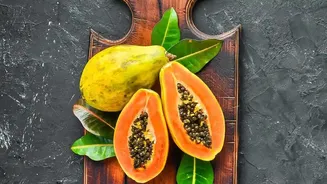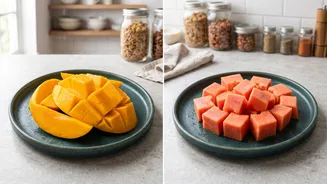





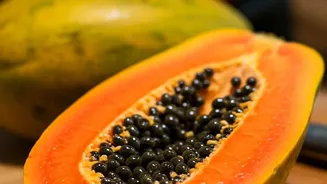
Mango and papaya are staples in Indian households, beloved for their sweet, tropical flavours. But when it comes to nutrition, these two favourites offer surprisingly different benefits. Let's peel back the layers on this fruity face-off.
The Calorie and Sugar Breakdown
For those managing
weight or sugar intake, the numbers point clearly in one direction. Papaya is the lighter option, containing roughly 43 calories and 7.8 grams of sugar per 100-gram serving. In contrast, mango is more energy-dense, with about 60 calories and 13.7 grams of sugar for the same amount. This makes papaya a better choice if your primary goal is a low-calorie, low-sugar fruit snack. While mango's sweetness is part of its appeal, its higher sugar and calorie content mean portion awareness is more critical.
Vitamin C and Immunity
When it comes to vitamin C, an essential nutrient for immune function and skin health, papaya is the clear winner. A 100-gram serving of papaya provides about 61 mg of vitamin C, which is a significant portion of the daily requirement. Mango is also a good source, offering around 36 mg for the same serving size, but papaya packs a more powerful punch in this category. Eating foods rich in vitamin C can help the body fight off bacterial and viral illnesses.
The Vitamin A Advantage
Mango takes the lead in providing vitamin A, primarily through its high content of beta-carotene, the pigment responsible for its vibrant orange-yellow hue. Mango contains about 54 micrograms (ug) of vitamin A per 100g, compared to papaya's 47ug. Your body converts beta-carotene into vitamin A, which is crucial for maintaining good vision, supporting a healthy immune system, and promoting skin health.
Fiber, Digestion, and Unique Enzymes
Both fruits offer similar amounts of dietary fiber, with mango containing 1.6g and papaya 1.7g per 100g serving. Fiber is essential for maintaining a healthy digestive system and ensuring regular bowel movements. However, each fruit brings a unique enzyme to the table. Papaya is famous for papain, an enzyme that helps break down proteins and can aid in digestion, potentially reducing symptoms like bloating and constipation. Mango contains amylase, an enzyme that assists in the digestion of carbohydrates.
Antioxidants and Special Compounds
Beyond basic vitamins, both fruits are rich in powerful antioxidants that fight cell damage. Papaya is notable for its lycopene content, an antioxidant also found in tomatoes that is linked to a reduced risk of certain diseases. Mango's star compound is mangiferin, a polyphenol that has demonstrated strong antioxidant and anti-inflammatory properties in studies. Research suggests mangiferin may have protective effects against various conditions, including heart disease and diabetes.
Impact on Blood Sugar
Here's a surprising twist: despite having more sugar, mango has a lower glycemic index (GI) than papaya. Mango's GI is typically around 51, placing it in the low-GI category, while papaya's GI is around 59, which is considered medium. This means that a serving of mango may cause a slower, more gradual rise in blood sugar levels compared to papaya, making it a potentially better choice for those closely monitoring their blood sugar. However, portion size remains the most important factor for both fruits.